
 Kellie Roberts
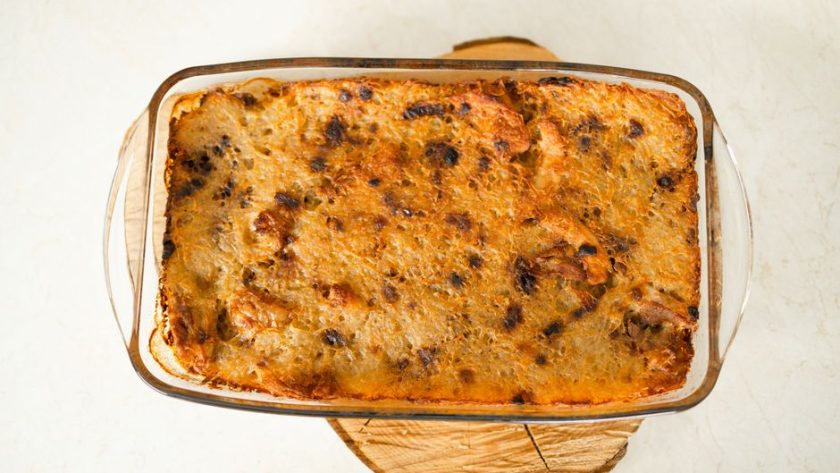
A common misconception is that the sausage makes or breaks Toad in the Hole. It does not. The real test is hot fat meeting thin batter in a properly heated pan. Get that moment right and the batter climbs around the sausages, browns at the edges, and stays soft in the middle. Miss it and you get a pale, heavy slab with greasy sausages hiding underneath.
This recipe uses ordinary pork sausages, a short resting period for the batter, and an onion gravy built from the browned bits in the pan. The quantities serve four hungry people and fit a standard 30cm by 20cm roasting dish.
The batter ratio that gives Toad in the Hole height
The most reliable formula is equal volumes of eggs, milk, and plain flour, measured carefully rather than guessed by eye. Weight is useful for flour, but volume makes the egg-to-liquid ratio easier to repeat. The batter should look like single cream, not pancake batter.
| Ingredient | Amount | What it does |
|---|---|---|
| Plain flour | 140g | Builds the structure around the sausages |
| Large eggs | 4 | Adds lift, colour, and richness |
| Whole milk | 200ml | Keeps the centre tender |
| Beef or vegetable stock | 500ml | Forms the gravy base |
| Onions | 2 large, thinly sliced | Provides sweetness and body |
| Oil or dripping | 2 tablespoons | Creates the hot cooking surface |
Use equal-volume batter, not a thick paste
Whisk the eggs and milk first, then add the flour and a generous pinch of salt. Stop as soon as the mixture is smooth. A few tiny lumps will disappear during the rest. Leave the batter for 20 to 30 minutes while the oven heats to 220°C fan or 240°C conventional.
Heat the fat until it shimmers
Brown the sausages in the roasting dish for 8 to 10 minutes, turning once. Add the oil or dripping and return the dish to the oven for 5 minutes. Pour in the batter quickly, close the door, and do not check for at least 25 minutes. The verdict is simple: heat matters more than batter tricks.
The winning timing rule is simple: batter meets heat

For a tall, crisp result, the pan, fat, and sausages must all be hot before the batter goes in, because cool fat lets the mixture spread flat and cling to the metal before it can rise.
Pour from one corner so you do not splash the sausages, place the dish straight back on the middle shelf, and keep the oven door shut for 25 minutes; the first look should show puffed edges and a deep golden surface rather than a collapsed centre.
Do not prepare the batter hours ahead and then pour it into a cold dish, because resting improves texture but cannot replace the heat stored in the pan, and do not use a crowded dish where the sausages touch from end to end.
My clear recommendation: cook the sausages first, heat the fat again, pour the rested batter, and give the pudding 30 to 35 minutes at full heat; that sequence is more dependable than adding extra baking powder or chasing a secret ingredient.
How to make onion gravy without a floury taste
Onion gravy needs time, not expensive ingredients. The best version tastes rounded and savoury because the onions soften slowly, the flour cooks before the stock goes in, and the browned sausage juices become part of the sauce. Rushing any of those stages leaves harsh onion, raw flour, or watery gravy.
Brown the onions before adding liquid
Slice two large onions into half-moons. Put them in a saucepan with 25g butter, a pinch of salt, and one teaspoon of sugar. Cook over medium-low heat for 18 to 22 minutes, stirring every few minutes. They should turn soft and amber, not dark at the edges. If the pan catches, add one tablespoon of water and lower the heat.
Adjust thickness before serving
Simmer the gravy for 6 to 8 minutes. It should coat a spoon but still pour easily over the pudding. If it is too thick, add 30 to 50ml water. If it is thin, simmer for another 2 minutes rather than adding more flour at the last second. Taste before adding salt because stock varies widely in strength. The best verdict here is restraint: sweet onions and good stock need no heavy sauce tricks.
Pour the gravy around the finished Toad in the Hole instead of over the entire top. That keeps the crisp rim intact and lets each person choose how much sauce reaches the centre.
Seven mistakes that flatten the pudding
- Using a cold dish: A room-temperature roasting tin wastes the first few minutes of cooking. Heat the empty dish with the fat already inside.
- Adding baking powder as a rescue: Yorkshire-style batter rises from steam and egg structure. Extra raising agent can give a bitter taste and a weak, cakey middle.
- Opening the oven early: The structure is fragile during the first 20 to 25 minutes. A rush to check the colour can release the steam that supports the rise.
- Choosing very wet sausages: Sausages that release a large amount of water steam the dish instead of browning it. Pat them dry before cooking and avoid cramming too many into one pan.
- Using a deep, narrow casserole: A deep dish shields the batter from direct heat. A broad metal roasting tin gives the sides more room to climb and creates better edge crispness.
- Overloading the gravy with flour: Thick gravy becomes paste-like as it cools. Start with 20g flour for 500ml stock and reduce the liquid if you need more body.
- Serving straight from the oven with no pause: Give the dish 5 minutes to settle. The centre firms slightly, but the crust remains crisp if the gravy stays around the sides.
These mistakes have one theme: the dish needs heat, space, and timing. Fix those three variables before changing the recipe.
Which sausages and pan earn the money?
Buy the best plain pork sausage you can afford, but spend first on a suitable metal pan. A good sausage improves flavour, yet even a premium link cannot rescue a cold, cramped roasting dish. The prices below are working examples for a four-person meal, not fixed quotations; supermarket promotions and regional pricing move often.
| Product | Pack or size | Example price | Best use |
|---|---|---|---|
| Tesco Finest British Pork Sausages | 6 sausages, about 585g | £3.50 | Best balance of size and price |
| HECK 97% Pork Sausages | 400g pack | £4.50 | Lean, meaty option with less filler |
| Richmond Meat Sausages | 336g pack | £2.50 | Lowest-cost family dinner |
| Lodge Cast Iron Skillet | 10.25-inch, about 26cm | £45 | Strong heat retention and crisp edges |
Pick the sausage for the texture you want
My pick for a classic result is Tesco Finest British Pork Sausages because the thick links stay juicy while the batter cooks. Choose HECK 97% Pork Sausages if you want a meatier bite and less filler, but expect a slightly firmer result. Richmond Meat Sausages keep the bill low and work well for children, although their smaller size can dry out if browned for too long.
Do not overspend on cookware
The Lodge Cast Iron Skillet stores heat exceptionally well, but its £45 example price is not required. A broad metal roasting tin costing £15 to £25 can produce an equally high pudding if you preheat it properly. The relevant cost calculation is straightforward: for this meal, the cash APR range is 0% to 0% and the recipe fee is £0; borrowing costs are not part of the dish. This is not financial advice, and card or credit terms depend on the provider. Bottom Line: choose the Tesco Finest sausages for the strongest all-round result, then use any wide metal pan that holds heat.
Toad in the Hole questions answered before dinner

Can the batter rest overnight?
Yes, but cover it and refrigerate it for up to 24 hours. Whisk it again before cooking, then let it stand at room temperature for 20 minutes while the sausages brown. A chilled batter poured into a hot dish can still rise, but the centre may take longer to set, so add 5 minutes to the cooking time if needed.
Why does the centre stay soggy?
Usually the dish is too crowded, the batter layer is too deep, or the oven temperature falls when the door opens. Use a broad tin, keep the sausages in one layer, and check that the centre reaches a firm, lightly springy texture before serving. A small amount of soft custardy batter is pleasant; liquid batter is undercooked.
Can you make it without meat?
Yes. Use sturdy vegetarian sausages that brown well, such as Quorn Vegetarian Sausages, and cook them according to the packet before adding the batter. For the gravy, use vegetable stock and add one teaspoon of Marmite or soy sauce for depth. Avoid delicate sausages that split or release water, because they create the same steaming problem as poor-quality meat links.
The next time a Sunday dinner feels risky, remember the opening misconception: the sausage is not the main engineering problem. Heat the pan, rest the batter, leave the oven door shut, and serve the crisp pudding with onion gravy around the edges. That is how a simple tray of sausages becomes a reliable Toad in the Hole.