 Kellie Roberts
 Why crumble bars fail before they reach the oven
The apple filling controls the whole bake
The best spiced apple and oat crumble bars use less apple filling than most recipes suggest. Too much fruit creates steam, and steam turns the oat base soft. The bars may smell excellent and look browned on top, yet collapse when you cut them.
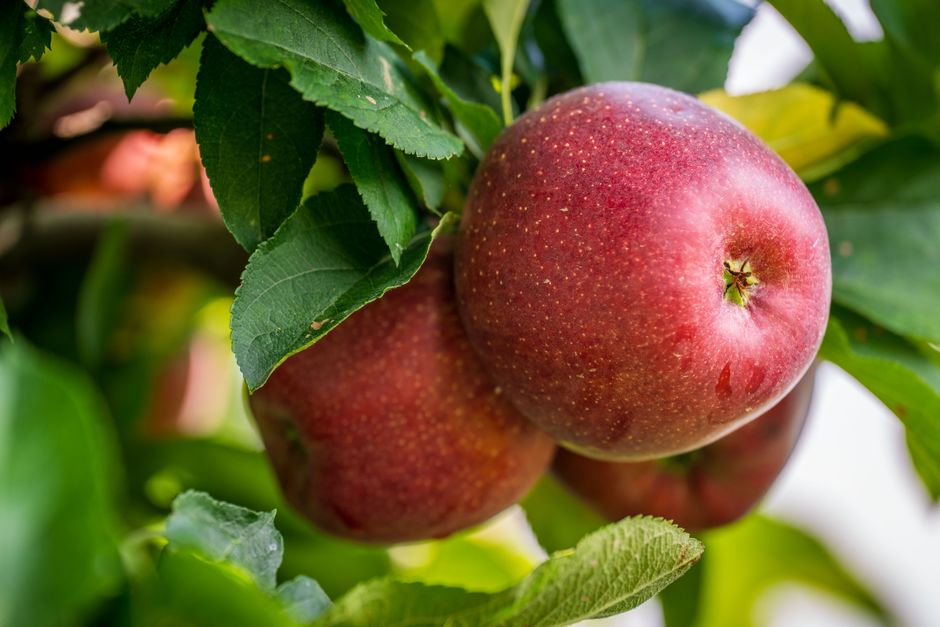
Apple choice matters because different apples release different amounts of water. Granny Smith apples stay fairly firm and bring sharp acidity. Honeycrisp apples add sweetness and a clean bite but release more juice when sliced thin. Soft apples such as McIntosh break down quickly, which is useful for applesauce but risky in a bar.
Cut the apples into cubes about 6 millimeters wide. Larger pieces stay hard while the crust cooks. Smaller pieces disappear into a wet layer. Toss the cubes with sugar, cinnamon, a pinch of salt, and 1 tablespoon of flour or cornstarch per 3 cups of diced apple. That small amount thickens the released juice without turning the filling gummy.
Texture comes from compression, not extra butter
The bottom layer needs firm pressure before baking. Press it into the pan with the flat base of a measuring cup, especially around the corners. A loose base breaks apart even when the ingredient ratio is correct. The topping needs a different treatment: squeeze some of it into rough clumps, then scatter those clumps over the apples. Fine crumbs brown quickly and taste dry.
Use old-fashioned rolled oats for chew and visible texture. Quick oats produce a softer, more uniform bar. Steel-cut oats stay too firm during the short bake. The target is a crisp edge, a tender center, and apple pieces that still have shape.
How to balance apples, oats, butter, and spice
Start with the pan, then build the recipe around it. An 8-inch square metal pan gives these bars enough depth for a proper fruit layer without creating a wet center. A 9-inch pan makes thinner bars that bake faster but can dry out at the edges. Glass works, but it usually needs a few extra minutes and gives less reliable browning.
| Ingredient | Working amount | What it controls |
|---|---|---|
| All-purpose flour | 180 grams | Structure and a tender crumb |
| Old-fashioned rolled oats | 120 grams | Chew, texture, and toasted flavor |
| Unsalted butter | 170 grams, melted | Richness and crumb binding |
| Diced apples | 3 cups, about 360 grams | Fruit flavor without excess moisture |
| Brown sugar | 150 grams | Moisture, sweetness, and caramel notes |
| Ground cinnamon | 2 teaspoons | Warm spice without bitterness |
That ratio keeps the topping substantial instead of sandy. Brown sugar works better than all white sugar because its moisture helps the layers hold together. Do not add a full teaspoon of nutmeg unless you want nutmeg to dominate the apples; 1/4 teaspoon is enough. A small pinch of ground ginger sharpens the spice profile without making the bars taste like gingerbread.
Salt is not optional. Use 3/4 teaspoon in the dough and another pinch in the apples. Salt makes the fruit taste brighter and stops the butter and sugar from flattening the flavor.
How to bake bars that cut cleanly
Use this order. It prevents the usual soggy base and loose topping.
- Heat the oven to 350°F. Line an 8-inch metal square pan with parchment, leaving paper over two sides so the finished slab can be lifted out.
- Make the base. Stir together 180 grams flour, 120 grams oats, 150 grams brown sugar, 3/4 teaspoon salt, and 1 teaspoon cinnamon. Pour in 170 grams melted butter and mix until every dry patch disappears.
- Reserve one-third of the mixture. Press the remaining two-thirds firmly into the pan. Bake the base for 12 minutes. This short pre-bake gives it a head start against the fruit juices.
- Prepare the apples while the base bakes. Toss 3 cups diced apples with 30 grams brown sugar, 1 tablespoon flour, 1 teaspoon cinnamon, and 1 tablespoon lemon juice. Keep the pieces dry rather than adding water or apple juice.
- Add the layers. Spread the apples over the hot base. Squeeze the reserved crumble into clumps and scatter it across the top. Leave a few small gaps so steam can escape.
- Finish baking. Bake for 35 to 42 minutes, until the edges are deep golden and the apple layer bubbles in several spots. A pale top means the bars need more time.
- Cool completely. Leave the pan on a rack for at least 2 hours. Refrigerate for 30 minutes if you want very sharp slices. Cut with a serrated knife, wiping the blade between cuts.
The most common mistake is slicing early. Warm butter and fruit syrup have not reset yet. The bars seem underbaked because they are still soft, then fall apart on the plate. Cooling is part of the recipe, not a waiting period to ignore.
Which packaged ingredients are worth buying?
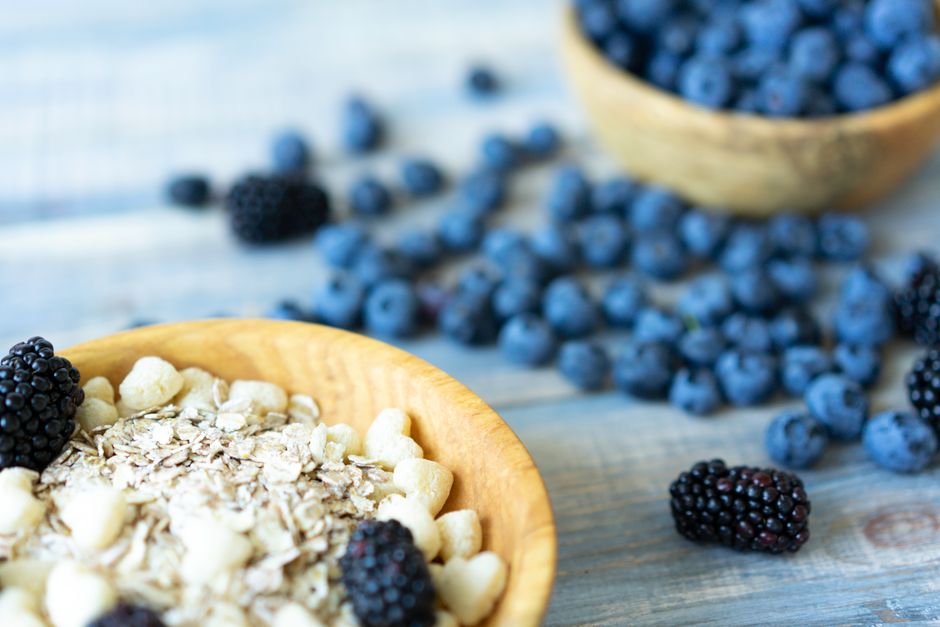
Buy dependable oats and butter first; specialty flavorings come second. The bars need stable fat, sturdy oat flakes, and a clean spice profile. Expensive add-ons cannot rescue a wet apple layer or a weak crust.
| Product | Useful specification | Verdict |
|---|---|---|
| Bob’s Red Mill Old Fashioned Rolled Oats | Thick rolled flakes, commonly sold in 32-ounce bags | Best oat choice for chewy topping and visible texture |
| King Arthur Unbleached All-Purpose Flour | Reliable 5-pound baking bag with a moderate protein level | Best flour for a firm base that does not turn tough |
| Kerrygold Unsalted Butter | European-style butter sold in 8-ounce blocks | Best for a richer, more buttery crust |
| McCormick Ground Cinnamon | Common 2.37-ounce jar with a familiar, balanced flavor | Best everyday spice for a clear apple-cinnamon profile |
| Nielsen-Massey Pure Vanilla Extract | Pure extract commonly sold in 4-ounce bottles | Worth buying only if you bake often; use 1 teaspoon here |
Which apple should you buy?
Choose Granny Smith for the firmest bars and the sharpest contrast with the brown sugar. Use Honeycrisp when you want a sweeter filling. The strongest batch uses two Granny Smith apples and one Honeycrisp, all cut to the same 6-millimeter size. Do not buy pre-sliced apples for this recipe; they dry out at the edges and vary in thickness.
When does premium butter matter?
Premium butter improves flavor, not structure. The flour, oats, compression, and cooling time control whether the bars hold together. If the budget is tight, buy ordinary unsalted butter and spend the saved money on fresh apples and cinnamon. For a single batch, Bob’s Red Mill oats and standard supermarket butter are enough to produce excellent bars.
When should you skip crumble bars?
Skip these bars when you need a dessert that can be served warm straight from the oven. They need time to cool and set, so a fruit crisp is the better choice for an immediate spoon dessert, while an apple pie is the stronger option for a large gathering where neat slices and a flaky crust matter more than a quick oat topping.
Skip them when the apples are very soft, bruised, or unusually juicy; those apples will flood the base unless you cook the filling down first, and cooking it down changes the texture enough that you are better off making applesauce cake instead.
Make these bars when you want a portable apple dessert with a crisp top, a firm bottom, and enough spice to taste like autumn without turning into a heavy holiday dessert; use a metal pan, keep the fruit layer moderate, and cool the slab fully before cutting.
That is the clear tradeoff: crumble bars reward measured ingredients and patience, but they deliver cleaner portions and better next-day texture than a loose fruit crisp.