 Kellie Roberts
 What makes courgette and feta fritters crisp?
The main problem is not the batter. It is water. A single medium courgette can release more than 90ml of liquid during cooking, enough to turn a promising fritter into a soft, oily pancake. The winning formula is simple: remove excess water, use a measured binder, and cook a small portion in properly heated oil.
The texture target
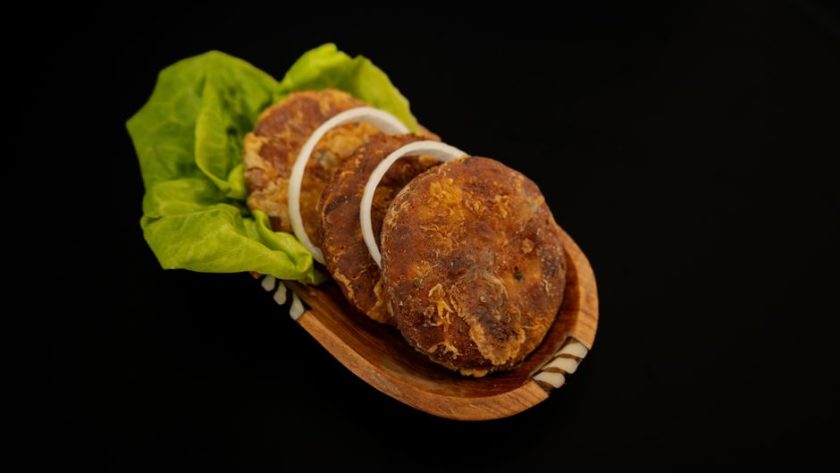
A good fritter has a browned, lacy edge and a tender centre that still shows strands of courgette. It should lift from the pan in one piece after about three minutes on the first side. If the surface stays pale, the pan or oil was too cool. If the outside darkens before the centre sets, the fritter is too thick.
| Part of the mix | Reliable amount | Why it matters |
|---|---|---|
| Grated courgette | 700g before squeezing | Gives enough vegetable texture for 8 small fritters |
| Feta | 100g, crumbled | Adds salt, fat, and small creamy pockets |
| Plain flour | 45g | Absorbs moisture without making the centre stodgy |
| Egg | 1 large egg | Binds the strands and helps the surface set |
| Cooking oil | 2 tablespoons per batch | Creates contact heat for browning |
| Pan temperature | Medium-high, about 180°C oil | Stops the fritter absorbing excess oil |
Verdict: smaller fritters win. Use about 2 heaped tablespoons of mixture per piece, flattening each to roughly 1.5cm thick. Large, tall fritters look generous but stay wet in the middle.
How to remove courgette water before frying
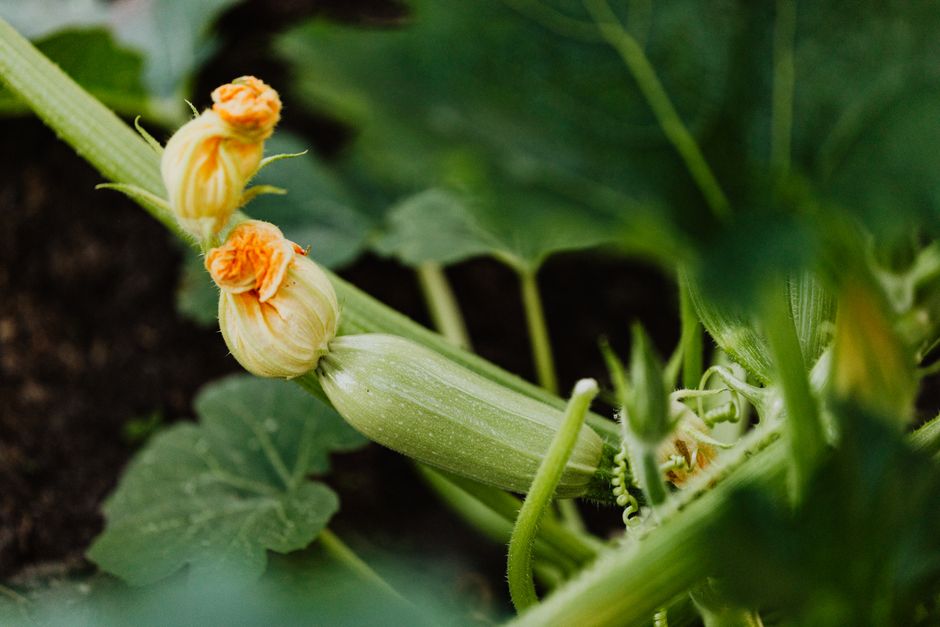
Grate the courgettes on the large holes of a box grater, then transfer them to a colander. Sprinkle over 1 teaspoon of fine salt and leave the shreds for 10 minutes. Salt draws water to the surface, but it does not remove the water by itself. The squeezing step does that.
Use a clean tea towel
Tip the salted courgette into the centre of a clean tea towel. Gather the corners, twist firmly, and squeeze over the sink. Keep twisting until the liquid changes from a steady stream to occasional drops. For 700g of grated courgette, aim to remove at least 100ml of liquid. The final shreds should feel damp, not dripping.
Do not rinse away the salt
Rinsing removes flavour and leaves the courgette wet again. Instead, taste the feta before seasoning the mixture. Many feta brands contain enough salt to season the full batch, especially after the courgettes have been salted. Add black pepper, dill, mint, or lemon zest only after checking the salt level.
Mix and fry without delay
Combine the squeezed courgette with 100g feta, 1 beaten egg, 45g plain flour, 2 sliced spring onions, and 2 tablespoons of chopped herbs. Mix just until the flour disappears. Leave the bowl sitting for 30 minutes and the salt will pull out more moisture, thinning the batter. Shape the fritters as soon as the mixture is ready.
Heat a wide 28cm frying pan for two minutes, then add the oil. Test one small teaspoon of mixture. It should sizzle at once without smoking. Cook four fritters at a time, leaving space between them so steam can escape. Crowding lowers the pan temperature and produces a greasy crust.
Drain cooked fritters on a wire rack rather than stacking them on kitchen paper. A rack allows steam to escape from the underside. If you need to hold them for 15 minutes, place the rack in a 120°C oven. That keeps the crust firm without drying the centre.
Which ingredients are worth buying?
My clear pick is full-fat feta, plain flour, and fresh courgettes. This combination gives the strongest flavour and the most reliable texture without specialist ingredients. Branded products can help, but the pack size and freshness matter more than a premium label.
- Feta: Dodoni Feta in a 200g block is a dependable choice because it has a firm, crumbly texture and a noticeable tang. Use half the block for one batch. Avoid pre-crumbled feta if it feels dry and powdery; it will not create the small creamy pockets that make the fritters satisfying.
- Flour: Doves Farm Plain White Flour comes in a 1kg bag and works exactly like standard plain flour. You do not need self-raising flour. Added raising agents can make the fritters puff, then collapse as trapped steam escapes.
- Oil: Filippo Berio Extra Virgin Olive Oil in a 500ml bottle gives a fruity flavour, but use medium heat because its flavour becomes harsh when overheated. For a more neutral crust, use rapeseed oil instead.
- Tools: An OXO Good Grips 12-inch tongs is useful for turning delicate fritters, while a wide fish slice gives better support underneath. A deep non-stick pan is easier for beginners than a shallow stainless-steel pan.
For the cheese, choose a block packed in brine rather than a dry cube. For the courgettes, small or medium vegetables are better than oversized ones because they have fewer watery seeds. Buy about 800g to allow for trimming and moisture loss. The ingredient verdict is firm: spend on good feta first, then use ordinary flour and a modest amount of oil.
Why do courgette fritters fall apart or turn greasy?
Why does the mixture break in the pan?
It usually contains too much liquid or too little time to set, so squeeze the courgettes until they feel almost dry, keep the fritters to 1.5cm thick, and wait until the underside is deeply golden before turning; moving them early tears the soft centre and makes the pan look full of loose strands rather than intact fritters.
Why are the outsides brown while the centres stay wet?
The heat is too high or the portions are too thick, so lower the burner to medium after the first batch, use 2 heaped tablespoons per fritter, and cook for roughly 3 minutes on the first side plus 2 minutes on the second; if the oil smokes, discard it and start again because scorched oil will make the surface bitter.
How should you serve them, and when should you skip them?
Serve the fritters immediately with something cool and sharp. Greek yoghurt mixed with lemon zest, chopped mint, and a pinch of pepper cuts through the salty feta. A tomato and cucumber salad adds freshness without making the plate heavy. For a larger meal, two fritters per person with poached eggs makes a practical lunch; three with salad works as dinner.
Can you prepare them ahead?
Yes, but shape the mixture no more than 30 minutes before frying. Cooked fritters keep for two days in the refrigerator in a covered container. Reheat them on a baking tray at 200°C for 8 to 10 minutes, turning once. A microwave softens the crust, so use it only when speed matters more than texture. Freezing is possible, although the courgette loses some bite; cool the fritters fully, freeze them in one layer, then reheat from frozen at 200°C for about 15 minutes.
When should you choose another recipe?
Skip these fritters if you need a hands-off meal, a very low-salt dish, or food that will remain crisp for hours. The recipe needs squeezing, pan space, and a short frying window. For a crowd, a courgette and feta tray bake is the better choice because one large tin cooks at once. For a gluten-free version, use 35g chickpea flour, but expect a denser centre and a stronger savoury flavour.
The final call is practical: make these fritters when you want a fast vegetarian meal with crisp edges and a soft middle. Remove the water properly, keep the portions small, and the recipe delivers far more reliably than a loose, oversized pancake.