
 Kellie Roberts
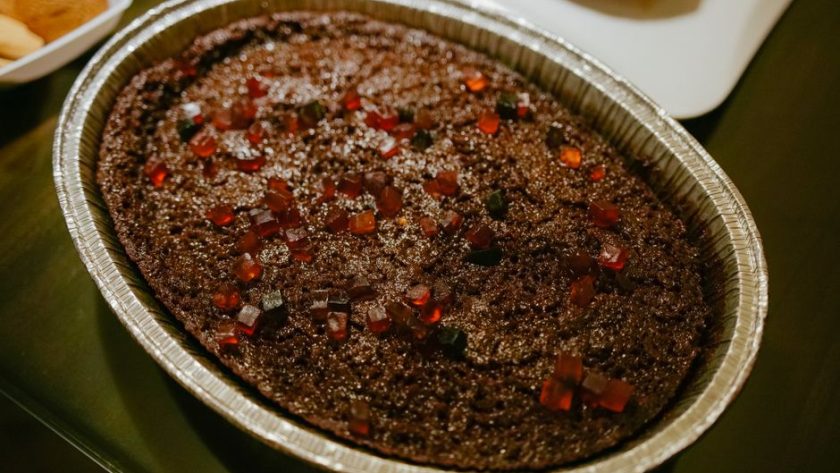
The common misconception is that sticky toffee pudding should be wet all the way through. It should not. The sponge needs to stay soft and moist, but the center must still hold its shape when you cut it. Pear brings fresh fruit and extra water, so this version needs tighter control than a plain date pudding.
The payoff is better than the standard recipe: warm pear, sharp ginger, dark brown sugar, and a sauce that runs into the sponge instead of pooling around it. This is not financial advice; it is dessert advice, and the best return here comes from spending five extra minutes weighing the fruit and testing the center.
Why pear and ginger need a different pudding balance
My verdict: keep the pear in small cubes, keep the dates finely chopped, and use ginger in two forms. That combination gives you clear fruit flavor without turning the sponge into a wet loaf.
Sticky toffee pudding works because dates supply sugar, fiber, and moisture while the hot toffee sauce softens the baked sponge. Pear changes the equation. A ripe pear can release enough juice to weaken the middle, especially if you grate it or cut it into large chunks. Large pieces also create empty pockets around the fruit, which makes the pudding look baked on top while the center stays loose.
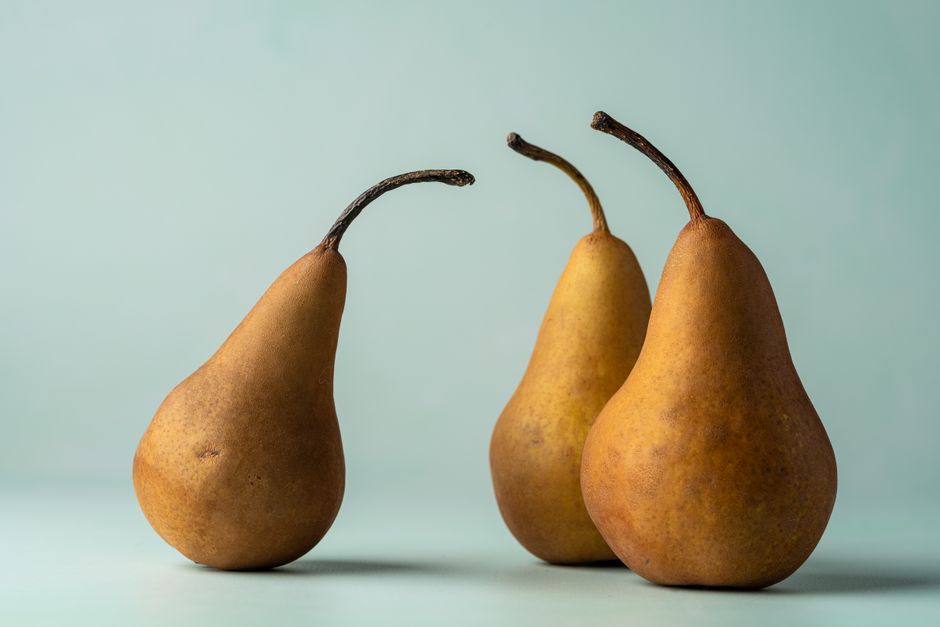
Use a firm but ripe pear, such as Conference, Bosc, or Anjou. Peel it, remove the core, and cut it into pieces no larger than 8 millimeters. Do not purée it. The small cubes soften during baking but still give you a clean pear taste.
What the dates actually do
Dates are not just a sweetener. Their sticky texture helps the crumb stay tender after reheating. Pour boiling water over 175 grams of chopped dates, add half a teaspoon of baking soda, and leave the mixture for 10 minutes. The soda helps soften the dates, but the mixture should cool for a few minutes before it reaches the butter and eggs. A very hot date mixture can melt the butter and scramble the eggs.
Why ginger needs a double hit
Ground ginger gives the batter an even background warmth. Finely grated fresh ginger gives the finished pudding a sharper aroma that survives the long bake. Use 1 teaspoon of ground ginger plus 15 grams of fresh ginger. Candied ginger can replace the fresh ginger, but it adds extra sugar and a chewy texture, so use 25 grams and reduce the brown sugar by 15 grams.
The bottom line is simple: pear adds freshness, dates build the soft crumb, and ginger stops the dessert from tasting flat or overly sweet.
How to bake the pudding without a raw middle
- Prepare the tin first. Grease a 20-centimeter square baking tin and line the base with parchment. Heat the oven to 180°C conventional or 160°C fan. A cold oven makes the fruit release liquid before the sponge structure forms.
- Cook the date mixture. Combine 175 grams chopped dates, 250 milliliters boiling water, and half a teaspoon of baking soda. Rest for 10 minutes, then mash lightly. Leave some small pieces; a smooth paste makes the crumb heavy.
- Mix the dry ingredients. Whisk 175 grams plain flour, 1 teaspoon baking powder, 1 teaspoon ground ginger, half a teaspoon cinnamon, and a pinch of salt. Do not add extra flour to compensate for the pear. That creates a dry outside and does not reliably fix the center.
- Build the batter. Beat 100 grams softened butter with 120 grams dark brown sugar for two minutes. Beat in two large eggs one at a time. Add 1 teaspoon vanilla, the fresh ginger, and the cooled date mixture. Fold in the dry ingredients, followed by 180 grams diced pear.
- Check the consistency. The batter should drop slowly from a spoon. If it runs like cake batter, your pear was very juicy. Add 15 grams flour, not a random handful. If it looks stiff and dry, add one tablespoon milk.
- Bake by temperature, not hope. Bake for 38 to 45 minutes. The top should spring back lightly, and a skewer should come out with a few moist crumbs. For a more exact check, the center should reach about 96°C.
- Rest before saucing. Leave the pudding in the tin for 15 minutes. Pour on only half the hot sauce at first. Serve the rest separately so each portion gets the amount it can handle.
The most common mistake is opening the oven during the first 25 minutes. The temperature drop can make the center collapse. The second mistake is soaking the pudding immediately with all the sauce. That turns a tender sponge into a spoon dessert before the crumb has set.
Questions that decide the final texture
Can you use canned pears?
Yes, but drain them for at least 20 minutes and pat them dry. Canned pears contain syrup or juice that can make the batter too loose. Use 180 grams drained fruit, cut into small cubes. Fresh pears give a cleaner flavor and firmer pieces, so they remain the better choice when you can find ripe fruit.
Why did the pudding sink in the middle?
A sunken center usually means one of three things: the batter contained too much liquid, the oven door opened too early, or the pudding came out before the middle had set. Pear moisture is the usual cause in this recipe. Weigh the prepared fruit instead of measuring two whole pears by eye. One large pear can contain 250 grams of flesh, while two small pears may provide only 160 grams.
Can you make it ahead?
Yes. Bake the sponge, cool it completely, and wrap it tightly. Keep it at room temperature for one day or refrigerate it for up to three days. Reheat individual portions for 45 to 75 seconds in a microwave, or cover the whole tin with foil and heat at 160°C for 20 minutes. Warm the sauce separately over low heat with one or two tablespoons of cream.
Which kitchen buys actually earn their shelf space?
This is a recipe, not a gadget contest. You do not need a stand mixer or a specialist thermometer to make it work. Still, a few named tools can reduce guesswork. Prices below are rough 2026 US shelf prices before sales, so treat them as buying benchmarks rather than fixed quotes.
| Product | Typical price | Useful specification | Verdict |
|---|---|---|---|
| OXO Good Grips 3-Qt Saucepan | About $40 | 3-quart capacity, heavy base, easy-pour edge | Best for smooth sauce control and small batches |
| ThermoWorks Thermapen ONE | About $109 | One-second reading, roughly -58°F to 572°F range | Best for bakers who often underbake dense puddings |
| KitchenAid Artisan Series 5-Qt Stand Mixer | About $449 | 5-quart bowl, 325-watt motor | Useful for frequent bakers, unnecessary for this recipe |
| Nielsen-Massey Madagascar Bourbon Vanilla, 4 fl oz | About $20 | Pure vanilla extract, strong aroma, small bottle | Good flavor, but supermarket vanilla works here |
The clear value pick is the saucepan. A stable pan makes it easier to stop the sauce before it turns grainy or scorched. The thermometer is helpful if your oven runs cool, but it is not a requirement; a skewer and a springy center are enough for most cooks.
The KitchenAid is the weakest buy for this specific pudding. The batter is small and easy to mix by hand. You would spend nearly $450 to save a few minutes. Nielsen-Massey vanilla is pleasant, but the dates, ginger, and brown sugar dominate the flavor, so a $5 supermarket bottle will not ruin the result.
Bottom line: buy the saucepan if you need one, borrow a thermometer if you are unsure about doneness, and skip the stand mixer for this recipe.
The final call: choose the texture you actually want
Make this pudding when you want a warm, spoonable dessert with a defined fruit flavor. It is a poor choice for a neat cake-style slice straight from the oven because the sauce and pear both soften the crumb. If clean slices matter more than saucy texture, reduce the sauce served at the table and chill the sponge before cutting it.
Do not use overripe pears, do not grate the fruit, and do not pour all the sauce over the pudding before the center has rested. Those three shortcuts create most of the complaints: watery bottoms, collapsed centers, and a dessert that tastes sweet but not balanced.
For a sharper pudding, increase the fresh ginger to 20 grams. For a softer family dessert, keep the sauce warm and serve it with cream. For a make-ahead dinner, bake the sponge the day before and reheat portions only when needed. The recipe is forgiving after the fruit quantity and bake time are controlled.
| Choice | Best for | Main tradeoff | Verdict |
|---|---|---|---|
| Fresh diced pear | Bright flavor and visible fruit | Adds moisture that needs control | Best overall choice |
| Drained canned pear | Reliable results outside pear season | Softer texture and less fresh flavor | Best practical substitute |
| Extra toffee sauce | Very rich, spoonable dessert | Can hide the ginger and weaken the crumb | Serve separately, not all at once |
| Less sauce and chilled sponge | Cleaner slices for a dinner table | Less of the classic sticky texture | Best presentation option |
The winning version uses fresh pear, two kinds of ginger, a measured date mixture, and a short resting period before saucing. That costs less than buying another appliance and does more for the finished pudding.