 Kellie Roberts
 Homemade Seville orange marmalade is not difficult. The reliable method is simple: slice the fruit thinly, soak the peel and seeds, cook until the peel turns tender, then boil the liquid hard enough to reach a set. Skip the guessing and you get bright citrus flavor, clean bitterness, and a spread that holds its shape without turning rubbery.
Use the marmalade on toast, scones, porridge, or a glazed cake. This recipe makes about 5 to 6 small jars, depending on the fruit and how far you reduce the mixture.
Why Seville oranges make better marmalade
The bitter peel is the point
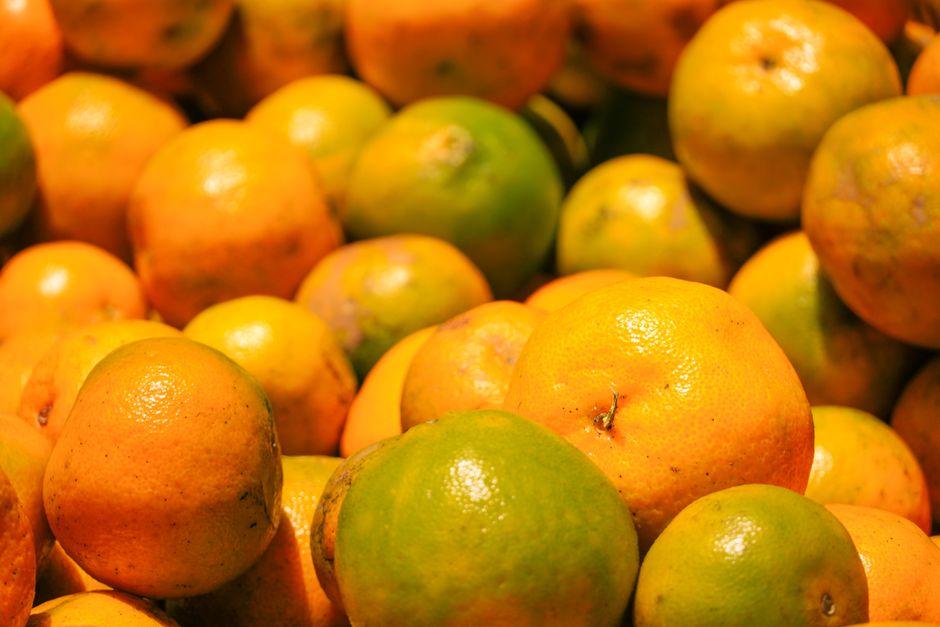
Seville oranges taste too sharp to eat like regular dessert oranges, but that bitterness gives marmalade its backbone. The peel contains fragrant oils, while the white pith and membranes contain much of the natural pectin that helps the preserve set. Sweet oranges can make a pleasant spread, but they often taste flat unless you add extra lemon or a commercial setting agent.
The flavor also changes during cooking. Raw Seville orange is sour and harsh. After simmering, the peel becomes tender and the sugar rounds off the edges. The result should still taste bitter. If it tastes like orange syrup, you have removed too much pith or added too much sugar.
What creates a firm set
Marmalade needs three things: pectin, sugar, and acid. Pectin forms the gel network. Sugar helps that network hold water. Citrus acid strengthens the set and keeps the flavor sharp. Seville oranges bring all three elements, but the balance depends on how much water you use and how long you boil the mixture.
That is why a recipe cannot rely on time alone. A wide pan may reach the setting point in 12 minutes, while a narrow pot may need 20 minutes. Watch the temperature, test a cold saucer, and judge the texture of the cooked peel. A good set is soft enough to spread and firm enough to stay on toast.
How to prepare the fruit for balanced bitterness
Preparation controls the final texture more than any fancy equipment. Take your time here.
- Wash 1 kilogram of Seville oranges and remove the stalk ends. Scrub away wax or surface dirt.
- Cut the oranges in half and squeeze the juice into a large bowl. Save every seed and membrane in a separate piece of muslin or a small cloth bag.
- Slice the peel into strips about 2 to 3 millimeters wide. Thin strips give a refined texture; thick strips create a more rustic marmalade and need longer cooking.
- Put the sliced peel, juice, and 1.5 liters of cold water into a large nonreactive pan. Tie the seeds and membranes securely and add the bundle.
- Leave the mixture covered for at least 8 hours, preferably overnight. This softens the peel and draws pectin into the liquid.
- Simmer gently for 1 to 1.5 hours. The peel should crush easily between your fingers. Do not add sugar while the peel still feels leathery.
- Remove the seed bundle and measure the cooked fruit and liquid. Add an equal weight of granulated sugar. For example, 1.2 kilograms of cooked mixture needs about 1.2 kilograms of sugar.
- Stir over low heat until the sugar dissolves completely. Any undissolved crystals can scorch when the boil begins.
Do not rinse the sliced peel to remove bitterness. That washes away flavor and pectin. If you want a milder result, use a thinner slice and serve the marmalade in smaller amounts. Blanching the peel can soften bitterness, but it also removes some of the vivid Seville orange character.
The best preparation rule is blunt: cook the peel tender before adding sugar. Sugar tightens the peel and can lock in a leathery texture.
How long to boil marmalade before it sets
The setting stage is where most batches fail. The sugar mixture needs a fast, uncovered boil so excess water can evaporate. Stir often enough to stop scorching, but do not hover over the pan with constant stirring; too much stirring creates foam and slows evaporation.
| Stage | What to do | What you should see |
|---|---|---|
| Fruit simmer | Cook peel, juice, water, and seed bundle for 60 to 90 minutes | Peel feels tender and liquid smells strongly citrusy |
| Sugar dissolving | Add equal weight sugar and warm gently | Liquid looks clear with no gritty crystals |
| Setting boil | Boil uncovered for about 10 to 20 minutes | Large bubbles rise slowly and foam gathers at the edges |
| Cold-saucer test | Drop a teaspoon onto a chilled saucer and wait 30 seconds | Surface wrinkles when pushed with a finger |
| Jar filling | Rest for 5 minutes, skim foam, then fill hot sterilized jars | Peel stays evenly suspended instead of floating |
Use temperature as a guide, not a command
The usual setting point is about 104 to 105°C, or 219 to 221°F, but altitude and pan size affect the reading. A thermometer can tell you when to start testing, not when to blindly stop. At the target temperature, place a small spoonful on a cold saucer. Push it with your fingertip after 30 seconds. A set marmalade wrinkles slightly. If it runs like juice, boil for another 2 minutes and test again.
Stop before the set turns hard
Overboiling creates a stiff, dark preserve with a cooked sugar flavor. The marmalade will also continue thickening as it cools. Stop when the test shows a gentle wrinkle and the peel moves slowly through the syrup. Skim only the large patches of foam. Removing every bubble wastes time and can take flavor with it.
Which jars and tools actually help
My pick is a wide stainless-steel preserving pan, a reliable thermometer, and standard 8-ounce jars. You do not need a specialist copper pan, but you do need enough surface area for quick evaporation. A narrow saucepan makes the boil slower and increases the chance of overcooking the peel before the syrup sets.
The useful jar choices
Ball 8-ounce quilted jars and Kerr 8-ounce half-pint jars both suit small marmalade batches. Their straight sides make filling easier and leave less preserve trapped in the corners. The Ball jars are especially practical when you want six modest jars instead of three large ones. For a more decorative gift jar, Weck 290 ml jars look better, but their glass lids and rubber seals require more careful handling during processing.
Wash jars and lids in hot soapy water, then keep the jars hot until filling. Cold glass can crack when hot marmalade hits it. Leave about 6 millimeters of headspace, wipe the rims clean, and apply the lids according to the manufacturer’s instructions.
The tools worth owning
A ThermoWorks ChefAlarm reads from 32 to 392°F and makes the setting stage easier to monitor. It is useful, but the cold-saucer test still matters. A 5.5-quart Le Creuset Dutch oven works for a half batch, yet its tall sides are less efficient than a broad preserving pan. For this job, pan width matters more than a famous brand.
Skip electric jam makers if you only make marmalade once or twice a year. They cost more, hold less, and do not solve the real problem: poor fruit preparation or an incorrect setting test.
Why marmalade fails and how to fix the batch
Why is my marmalade runny?
It usually needed more evaporation or the fruit released less pectin than expected. Return the marmalade to a wide pan, bring it back to a fast boil, and test every 2 minutes on a cold saucer. Do not add dry pectin immediately. Extra pectin can create a stiff, gummy texture and hide the real problem.
Why is the peel hard?
The sugar went in too early, the slices were too thick, or the fruit did not simmer long enough. Hard peel will not become tender during a short setting boil. Add a little water, simmer the mixture until the peel softens, then add sugar only if needed and repeat the setting test.
Why did all the peel float?
Floating peel usually means the marmalade was poured too hot or the syrup was too thin. Let the finished mixture stand for about 5 minutes before filling, then stir once to distribute the peel. If it still floats after cooling, the next batch needs a longer final boil.
When should you not make Seville orange marmalade?
Do not buy a large box of Sevilles if you only want a very sweet, mild orange spread. Choose ordinary sweet oranges instead, or buy a ready-made preserve. Seville marmalade is intentionally bitter, aromatic, and slightly sharp. That is its strength, not a defect.
The single most important takeaway: cook the peel tender before adding sugar, then stop boiling as soon as the cold-saucer test shows a soft wrinkle.