
 Kellie Roberts
 What asparagus, pea and mint risotto should taste like
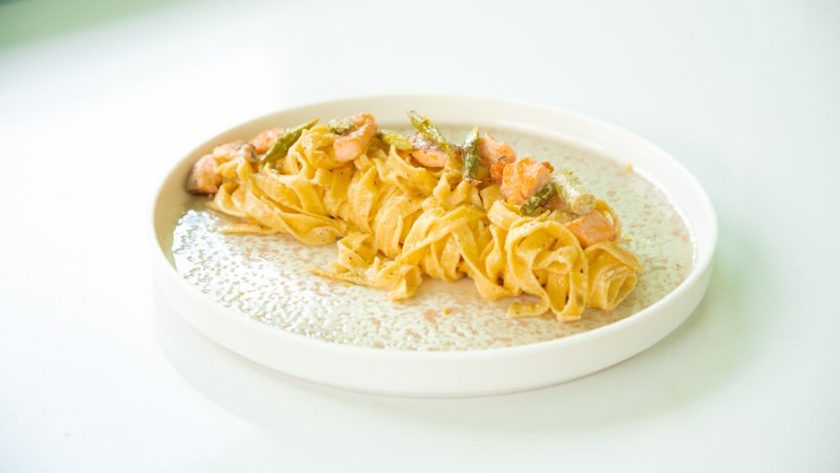
The moment to aim for is easy to recognize: a spoonful spreads slowly across the plate, the rice still has a tiny firm center, and the vegetables taste fresh rather than boiled. If your risotto sits in a stiff mound, the rice has absorbed too much liquid or waited too long before serving.
Why the rice needs slow, steady cooking
Risotto works because rice releases starch as you stir it through hot stock. That starch creates a loose, creamy sauce without requiring a heavy amount of cream. Add the stock in small amounts, wait until the rice looks almost dry, then add more. This gives each grain time to soften on the outside while keeping its center intact. Keep the pan at a gentle simmer. A fierce boil makes the outside break down before the middle cooks.
How the vegetables should change the bowl
Asparagus adds a grassy bite, peas bring sweetness, and mint cuts through the butter and cheese. None of them should disappear into the rice. Cook asparagus pieces separately or add them near the end, and fold peas in during the final few minutes. Add chopped mint after the heat is off so it stays bright. My verdict is simple: the best version tastes like spring vegetables held together by rice, not like rice colored green by overcooked vegetables.
Which rice, stock, and ingredients are worth buying
The rice matters more than the label on the stock carton. Choose a short, plump risotto rice with enough surface starch to make a sauce while holding its shape. Prices below are typical U.S. shelf prices in 2026 and can shift by store.
Rice choices with a clear winner
For the easiest creamy texture, buy Riso Scotti Arborio. De Cecco Arborio Rice is a solid supermarket choice with a slightly firmer bite. Gallo Risotto Arborio works well when you prefer distinct grains. My pick for this recipe is Riso Scotti because its starch releases steadily without turning the finished dish gluey.
| Ingredient | Amount | What to look for |
|---|---|---|
| Arborio rice | 320 g | Short, plump grains; do not rinse |
| Vegetable stock | 1.1 to 1.3 litres | Low-salt stock so you control seasoning |
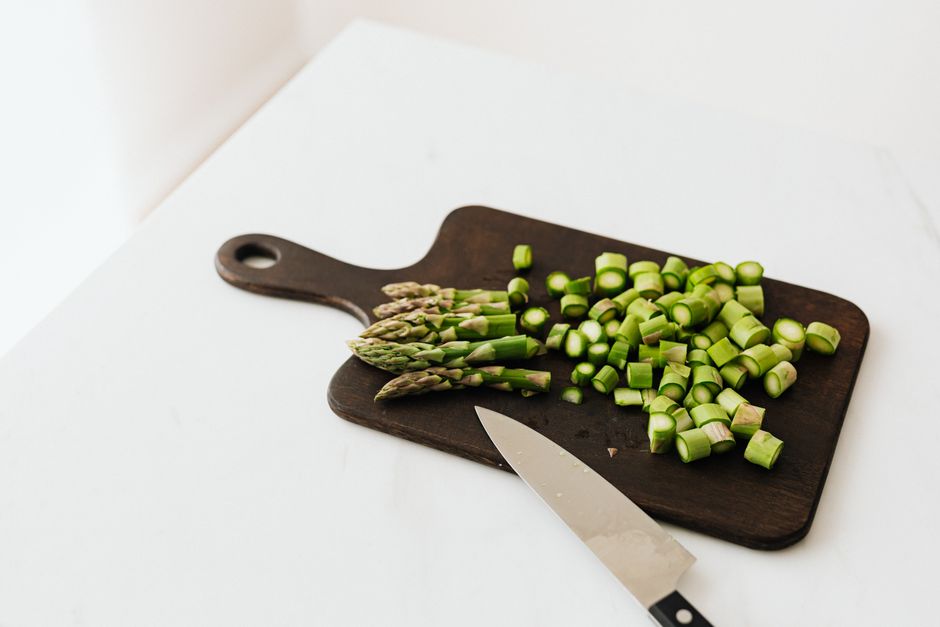
| Asparagus | 300 g | Firm spears with tight tips |
| Frozen peas | 150 g | Small or tender peas; no thawing needed |
Why low-salt stock and fresh mint win
Use low-salt stock because reduction concentrates salt as the rice cooks. Fresh mint is not optional decoration here; dried mint tastes dusty and overwhelms the peas. Finish with Parmesan, lemon zest, and a knob of butter. That combination gives the dish enough richness without hiding the vegetables.
How to cook the risotto without losing the vegetables
Prep everything before the rice hits the pan. Risotto needs attention in short bursts, and searching for a knife while the stock is boiling is how asparagus turns soft and the rice catches.
The cooking sequence that works
- Warm the stock in a separate saucepan and keep it just below a boil.
- Blanch asparagus pieces in salted water for 2 minutes, then cool them quickly. Save the tips for the final stage.
- Soften one diced shallot in olive oil for 3 minutes. Add 320 g rice and toast for 90 seconds, stirring until the grains look slightly translucent at the edges.
- Add 150 ml dry white wine, if using, and stir until almost absorbed.
- Add hot stock one ladle at a time. Stir often, adding the next ladle when the pan looks nearly dry. The rice usually takes 18 to 22 minutes.
- Fold in peas with the last ladle of stock. Add asparagus pieces during the final 3 minutes and tips during the last minute.
When to stop cooking
Taste a grain, not just the sauce. It should be tender outside with a small, pleasant resistance in the center. Turn off the heat while the risotto still looks slightly loose because butter, Parmesan, and resting time tighten it. Stir in mint, cover for 2 minutes, then serve.
The mistakes that make spring risotto bland or stodgy
Most failed risotto comes from timing, not from a bad recipe. These are the errors I would prevent first.
- Using cold stock: cold liquid drops the pan temperature and leaves the rice cooking unevenly. Keep stock hot in a second saucepan.
- Adding all the liquid at once: the rice boils instead of releasing starch gradually, and you lose control of the final texture.
- Washing the rice: rinsing removes the surface starch that creates the creamy sauce. Save rinsing for long-grain rice dishes.
- Cooking asparagus from the start: the spears become limp before the rice finishes. Blanch them first or add them near the end.
- Adding mint too early: heat dulls its aroma. Stir it in after the pan leaves the burner.
- Waiting ten minutes to serve: risotto keeps absorbing stock in the pan. Serve within 3 minutes of finishing and loosen it with a splash of hot stock if needed.
The texture rescue
If the rice is firm but the pan is dry, add hot stock in small splashes and keep cooking. If it is already soft, stop adding liquid, spread it into a shallow serving dish, and finish with less butter. You cannot reverse overcooked rice, so stopping early is the better mistake.
My equipment verdict: buy a wide, heavy pan
Buy the widest heavy pan you can comfortably lift; a narrow saucepan is the wrong tool for risotto. A broad base gives the rice room to cook in one layer, while thick metal reduces hot spots. You do not need a specialist risotto pot, but a flimsy pan makes scorching much more likely.
The two pans I would actually choose
The Le Creuset Round Dutch Oven, 5.5-quart holds heat beautifully and gives you plenty of room for six servings. It is the best choice if you also cook braises and soups. For a lower price, the Lodge Enameled Cast Iron Dutch Oven, 5-quart delivers similar capacity and steady heat, though its enamel finish and lid fit feel less refined. For risotto alone, Lodge is the sensible winner.
| Pan | Capacity | Best use |
|---|---|---|
| Lodge Enameled Dutch Oven | 5 quarts | Best value for family risotto |
| Le Creuset Round Dutch Oven | 5.5 quarts | Best long-term all-purpose pan |
When not to buy cast iron
Skip heavy cast iron if you have weak wrists, a small hob, or a two-serving household. A 12-inch stainless sauté pan with a thick base is easier to move and gives excellent evaporation. My recommendation is practical: buy Lodge for regular family cooking, choose Le Creuset only if you want one premium pan for many dishes, and avoid paying for either if your current wide stainless pan heats evenly.
Three questions that decide whether your risotto works
These are the questions I hear most often, and each has a firm answer.
Can I use frozen peas?
Yes. Frozen peas are often sweeter than tired fresh peas and need no thawing. Add them with the final ladle of stock so they warm through without turning gray. Canned peas are the poor choice because they bring extra salt and a soft texture that disappears into the rice.
Can I make it without wine?
Yes, and the dish will still taste balanced. Replace the wine with 150 ml hot stock plus 1 teaspoon lemon juice added near the end. Wine adds acidity and a little depth, but it is not what makes risotto creamy. Do not pour in extra lemon at the start because acid can make the finished dish taste sharp after reduction.
Can I prepare it ahead?
Partly. Cook the rice for about 14 minutes, spread it on a tray, and cool it quickly. Finish it later with hot stock, peas, asparagus, butter, Parmesan, and mint. Fully cooked risotto reheats into a heavy paste, so partial cooking is the only make-ahead method I trust. For dinner guests, finish it in a wide pan and serve immediately.
The bowl I would serve in 2026
I would make this with Arborio rice, low-salt vegetable stock, blanched asparagus, frozen peas, lemon zest, Parmesan, and fresh mint, because that combination gives the clearest contrast between creamy rice and crisp spring flavor without relying on cream or expensive ingredients.
I would serve it as a main course with a bitter green salad and toasted bread, keeping the portion to about 80 g dry rice per person so the risotto feels generous rather than dense; the extra acidity from lemon and salad keeps the butter and cheese in check.
I would not add chicken, bacon, or a large handful of herbs to make it feel more substantial, since those additions bury the delicate peas and asparagus; if you need more protein, fold in white beans at the end and accept a heartier, less classic dish.
The best future versions of risotto will keep this same balance: better seasonal vegetables, careful heat, and enough patience to stop the rice while it still has life. Once that texture becomes familiar, the recipe stops being a fixed formula and becomes a dependable way to turn whatever good produce is in season into dinner.