 Kellie Roberts
 The common mistake is treating asparagus like a vegetable that needs to become soft all the way through. It does not. The best grilled asparagus keeps a slight snap in the center, develops dark marks on the tips, and carries enough smoke to stand up to a rich egg yolk. Add finely grated Parmesan, lemon, and black pepper, and you have a fast meal rather than a plain side dish.
This method serves four as a starter or two as a light main course. Use 1 pound of medium asparagus, 4 large eggs, 1 tablespoon of olive oil, 1 ounce of finely grated Parmesan, 1 teaspoon of lemon zest, 2 teaspoons of lemon juice, 1/2 teaspoon of kosher salt, and several grinds of black pepper.
Why grilling gives asparagus better texture than boiling
Grilling is the best method for asparagus when you want contrast. Boiling cooks the stalk evenly, but it also puts water between you and the vegetable’s natural sweetness. Grilling drives off surface moisture while the direct heat browns the outer layer. That creates tender centers, crisp edges, and a more concentrated flavor.
Choose stalks that can handle direct heat
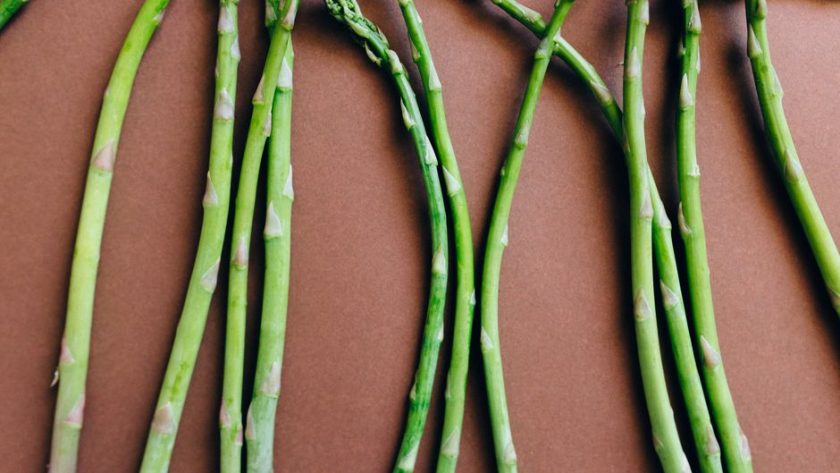
Medium asparagus, about 3/8 to 1/2 inch thick, works best here. Pencil-thin spears can turn limp before they develop color. Very thick stalks need extra time and may require a cooler part of the grill. Look for firm stalks with tight tips and no wrinkled skin. Bend one slightly; it should feel springy rather than rubbery.
Trim the woody ends without wasting the stalk
Wash the asparagus and dry it carefully. Wet spears steam instead of grill. Snap one stalk near the bottom to find the natural break, then line up the rest and cut them to the same length. For fresh medium spears, removing about 1 inch is usually enough. The tender upper stalk should remain intact.
The principle is simple: control moisture, use strong heat, and stop cooking before the center loses all resistance. Parmesan and egg yolk then add richness without hiding the vegetable.
How to grill asparagus so the tips char before the centers soften
Set the grill to 450–500°F and cook the asparagus crosswise over the grates. Toss the dry spears with olive oil, salt, and pepper just before grilling. Too much oil causes flare-ups, while too little leaves the tips dry. Turn the stalks with tongs rather than shaking the grill basket, since direct contact creates better browning.
Use this timing chart
| Asparagus thickness | Grill temperature | Total cooking time | Target texture |
|---|---|---|---|
| 1/4 to 3/8 inch | 450–500°F | 4–5 minutes | Tender with a firm center |
| 3/8 to 1/2 inch | 450–500°F | 6–7 minutes | Lightly charred and juicy |
| 1/2 inch or thicker | 425–475°F | 8–10 minutes | Soft center with browned tips |
Follow these steps in order
- Preheat the grill with the lid closed for 10–15 minutes.
- Place the asparagus across the grates so the spears do not fall through.
- Grill for 2–3 minutes, then turn each spear.
- Move thick stalks to indirect heat if the tips darken too quickly.
- Remove the asparagus when the center bends slightly but does not collapse.
- Finish with lemon juice and Parmesan while the stalks are still hot.
Tools that make the method easier
The Weber Q 1200 gives you 189 square inches of cooking space, enough for this batch without crowding. For indoor cooking, the Lodge 10.25-inch Cast Iron Skillet holds heat well and can brown the asparagus in two batches. The ThermoWorks Thermapen ONE gives a one-second temperature reading, though a thin knife tip is enough to test asparagus. For turning, the 12-inch OXO Good Grips Tongs give better control than a fork and do not pierce the stalks.
My pick for most kitchens is the grill grate itself, not a specialty basket. A basket makes small pieces easier to manage, but it reduces direct contact and softens the char.
How to cook soft eggs with yolks that stay runny
Should the eggs start cold or warm?
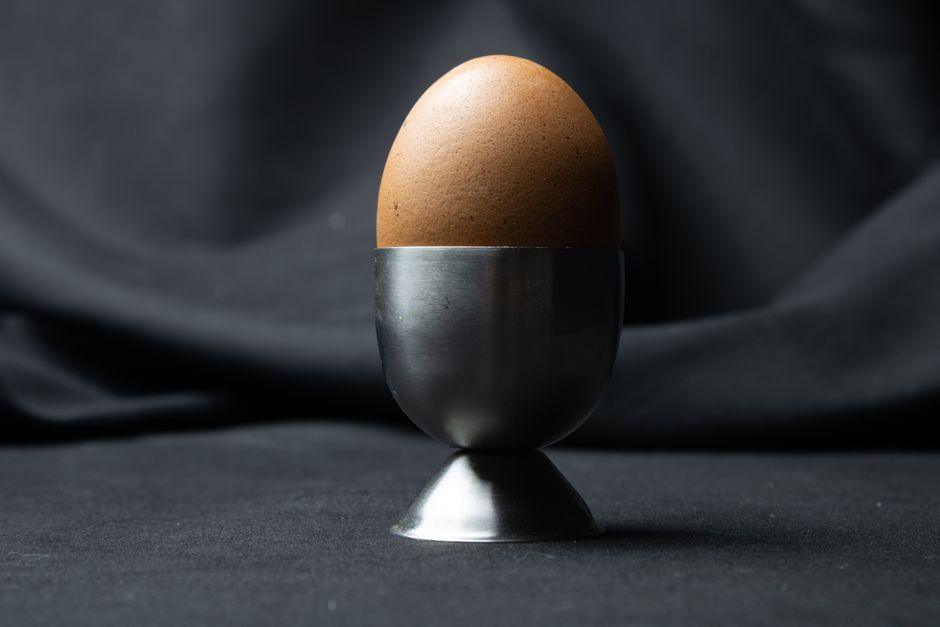
Start with cold eggs from the refrigerator and lower them into already simmering water. This gives you a repeatable cooking time. Bring 1 inch of water to a gentle boil, lower in the eggs with a spoon, and cook for 6 minutes and 30 seconds. That timing produces set whites with a thick, flowing yolk for most large eggs.
Why does the ice bath matter?
Move the eggs straight into ice water for 2 minutes. The cold water stops carryover cooking and makes peeling easier. Crack the shells all over, peel under a thin stream of water, and cut the eggs in half only after the asparagus is plated. If the eggs sit hot for another 3–4 minutes, the yolks will turn jammy instead of soft.
What if the yolk is too loose?
Cook the next batch for 7 minutes. If the yolk is too firm, reduce the time to 6 minutes. Egg size, starting temperature, and the strength of the simmer all matter. Do not rely on a timer alone if the eggs are extra-large or the water takes a long time to return to a simmer.
The best texture for this dish is not a completely liquid yolk. A thick, glossy center clings to the asparagus and mixes with the cheese. That gives every bite a sauce without requiring cream.
How Parmesan, lemon, and oil balance the grilled flavor
Use Parmesan as a finishing ingredient, not a coating. A heavy layer turns the asparagus salty and masks the grill marks. Finely grate 1 ounce of Parmigiano-Reggiano or another aged Parmesan over the hot spears so the cheese softens without forming a rubbery crust.
Add acid after grilling
Lemon juice should go on after the asparagus leaves the heat. One or two teaspoons are enough for 1 pound of spears. Add the zest at the same time for fragrance without extra sourness. Acid cuts through the egg yolk and cheese, but adding it before grilling can make the surface wet and slow browning.
Use olive oil with restraint
One tablespoon of extra-virgin olive oil coats the asparagus without making it greasy. Drizzle another teaspoon over the finished plate only if the spears look dry. Black pepper belongs at the end, when its sharpness can sit on the cheese and yolk. Skip garlic powder; it burns easily over a hot grate. If you want garlic, rub a cut clove over the finished toast or add a small amount of fresh grated garlic to the lemon oil.
For the cleanest flavor, plate the asparagus first, add the halved eggs, then scatter Parmesan, lemon zest, lemon juice, and pepper. This order keeps the garnish bright and lets the yolk act as the main sauce.
What to serve with grilled asparagus and soft eggs
Serve this as a light main course with something crisp and something starchy. The asparagus and eggs already provide vegetables, fat, and protein. Adding another rich sauce is unnecessary.
Best pairings for a complete plate
- Grilled sourdough rubbed with olive oil, which gives the runny yolk somewhere to go.
- White beans dressed with lemon and parsley for extra protein and a creamy contrast.
- Roasted new potatoes when you want a more filling dinner.
- A bitter green salad with radicchio or arugula to balance the Parmesan.
- Peas, broad beans, or fresh herbs when asparagus is at its spring peak.
When not to use this recipe
Skip this preparation if the asparagus is limp, thin, or out of season and has already lost much of its snap. A quick sauté or soup will hide those flaws better. Also avoid soft eggs for a packed lunch or a long buffet; the yolks continue to firm and the dish loses its defining texture. For those situations, use hard-boiled eggs or a fried egg cooked to order.
The final verdict
For a fast dinner, this grilled asparagus method is better than boiling because it creates texture in under 10 minutes. The soft egg supplies the sauce, Parmesan supplies savory depth, and lemon keeps the plate sharp. As grill cooking moves further into everyday vegetable meals, combinations like this make the grill useful beyond steaks and burgers: a hot grate can turn a few simple ingredients into a complete, balanced dish.