 Kellie Roberts
Did your foraged blackberry jelly turn cloudy, runny, or oddly bitter after hours of cooking? That problem usually starts before the pot reaches the stove. Wild blackberries vary in ripeness, apples vary in natural pectin, and squeezing the cooked fruit can turn a bright ruby jelly murky. A reliable batch needs clean fruit, measured juice, enough acid, and a short hard boil.
This recipe suits food and cooking readers who want to use a hedgerow harvest without wasting it. It also takes a consumer-first view: every step has a reason, every measurement has a limit, and pantry storage is only safe when the jar seal and processing method are sound.
Can You Make Jelly from Foraged Blackberries and Apples?
Yes. Blackberries bring deep color, berry flavor, and some acid, while apples contribute natural pectin and a mild backbone that keeps the finished jelly from tasting flat. The strongest batches use tart, slightly underripe apples rather than soft dessert apples. You need juice, not fruit pulp, because jelly depends on a clear liquid that can form a neat gel.
What each fruit contributes
| Ingredient | Useful amount | Job in the jelly | Main risk |
|---|---|---|---|
| Foraged blackberries | 2 pounds, washed and drained | Color, berry flavor, and acidity | Overripe berries can produce weak flavor and little structure |
| Tart apples | 2 pounds, chopped with skins and cores | Natural pectin and body | Sweet, soft apples may give a loose set |
| Water | 5 cups for the first simmer | Pulls juice from the fruit | Too much water creates thin, diluted juice |
| Granulated sugar | About 3 to 3½ cups per 4 cups juice | Helps pectin form a gel and preserves flavor | Guessing the amount can cause a soft set |
When the mixture is not worth saving
Discard fruit you cannot identify with certainty, fruit gathered beside a busy road, or berries from land treated with an unknown spray. A cooking temperature cannot remove every chemical or contamination risk. Pick only ripe, undamaged blackberries, and leave a few for birds and other wildlife.
The clear verdict is simple: use blackberries for flavor and apples for structure. If the apples are very sweet and fully ripe, add commercial pectin or expect a softer, spoonable preserve rather than a firm jelly.
How Do You Get Clear Blackberry-Apple Jelly?
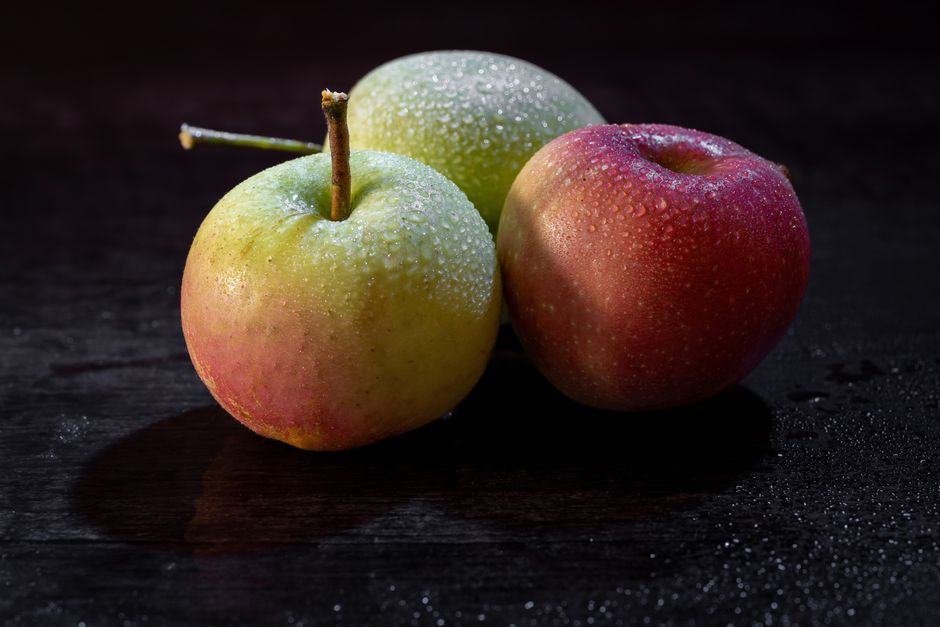
Clear juice comes from gentle extraction. The most common mistake is treating the fruit like sauce: adding too much water, boiling it hard for a long time, then pressing the pulp through a strainer. That method releases fine fruit particles and starch, which makes the jelly cloudy. It can still taste good, but it will not have the jewel-like finish most cooks want.
Build the juice without washing out the flavor
Put 2 pounds of blackberries and 2 pounds of chopped tart apples into a wide pot with 5 cups of water. Bring the mixture to a simmer, then cook for 25 to 30 minutes. Stir a few times so the fruit does not catch on the bottom, but do not crush it into a puree. The apples should be soft and the berries should have released most of their color.
Pour the hot mixture into a jelly bag or a large, dampened muslin cloth set over a bowl. Let it drip for at least 2 hours. Overnight draining gives the clearest result. Do not twist or squeeze the bag. That single choice matters more than buying special equipment.
Measure before adding sugar
Measure the strained juice in a clean jug. For every 4 cups of juice, use about 3 to 3½ cups of sugar and 1 tablespoon of lemon juice. If you want a firmer, more predictable set, use one 1.75-ounce box of Sure-Jell Premium Fruit Pectin for the amount stated on its package. Commercial pectin is not a sign of failure; it is a way to reduce the effect of changing apple varieties and berry ripeness.
Use a short, active boil
Combine the measured juice, lemon juice, and pectin if using it in a large pot. Bring it to a full rolling boil that continues while you stir. Add the sugar at once, return the mixture to a rolling boil, and boil for the time stated by the pectin instructions, often about one minute. Remove the pot from the heat. Long boiling darkens the color, dulls the blackberry flavor, and can create a rubbery texture.
For a traditional batch without added pectin, test a small spoonful on a chilled plate. The jelly should wrinkle slightly when pushed after cooling for one minute. A thermometer can help, but fruit acidity, sugar level, and altitude change the final temperature, so a set test is more useful than one number alone.
Why Does Foraged Jelly Fail to Set?
Runny jelly usually has a clear cause. Work through these checks before you decide the fruit was a bad choice.
- Too much juice was added. If the recipe began with 6 cups of water instead of 5, or if the strained juice was not measured before the sugar went in, the mixture may simply be too dilute. Reboil only a small test portion first. Add measured pectin according to its package directions rather than throwing in an unknown amount.
- The fruit was too ripe. Very soft apples contain less useful pectin than firm, slightly underripe apples. Blackberries also lose some sharpness as they become fully ripe. The next batch should include tart cooking apples with skins and cores.
- The boil was not strong enough. A few lazy bubbles around the edge do not count. The mixture needs a rolling boil that keeps moving while you stir. A crowded pot makes this harder, so choose a deep, wide pan and work in batches if needed.
- The sugar ratio was guessed. Sugar is part of the gel, not just a sweetener. Cutting it heavily can leave the jelly loose and shorten its storage life. If you want less sweetness, use a low-sugar pectin product and follow that package formula.
- The jelly was judged too soon. A hot jelly looks thin. Let a sealed jar stand for 12 to 24 hours before deciding it failed. If it remains loose, label it as syrup or spoonable fruit topping and refrigerate it instead of storing it in the pantry.
When not to force a pantry-safe result
Do not repeatedly boil a failed batch for hours. You will lose flavor and may end up with a sticky, burnt spread. If the fruit source is uncertain, the jars were not processed correctly, or the seal failed, keep the batch refrigerated and use it promptly. A soft jelly is a texture problem. An unverified seal is a storage-safety problem.
How to prevent cloudiness
Use a clean jelly bag, let gravity do the work, and skim foam from the surface after the final boil. Foam does not always mean spoilage; it is often trapped air and fruit solids. Removing it gives a smoother appearance and makes the jar easier to inspect.
Which Apples and Blackberries Give the Best Set?
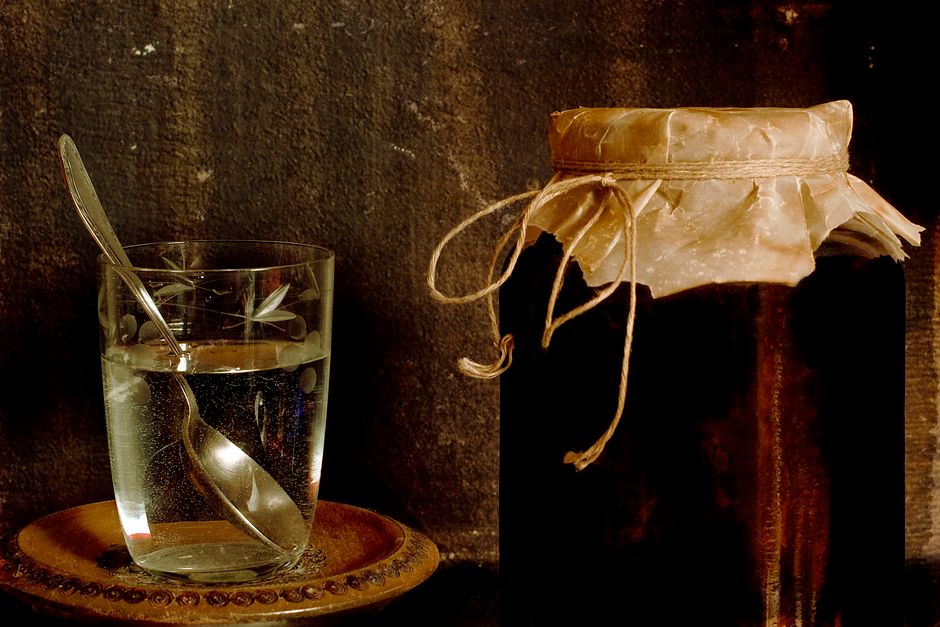
My clear recommendation is to pair tart, firm apples with fully colored but not collapsing blackberries. That combination gives the best balance of pectin, acid, and flavor. A basket of only very ripe blackberries makes a vivid jelly, but it can taste soft and one-dimensional. A basket of sweet apples can add body while muting the berry character.
Which apples work best?
Choose cooking apples such as Granny Smith, Bramley, or a firm local tart variety. Leave the skins and cores in the simmering pot because much of the apple’s pectin sits near the skin and core. Remove bruised or moldy sections. Do not use rotten fruit to “stretch” the batch; spoilage can spread beyond the visible mark.
Which blackberries work best?
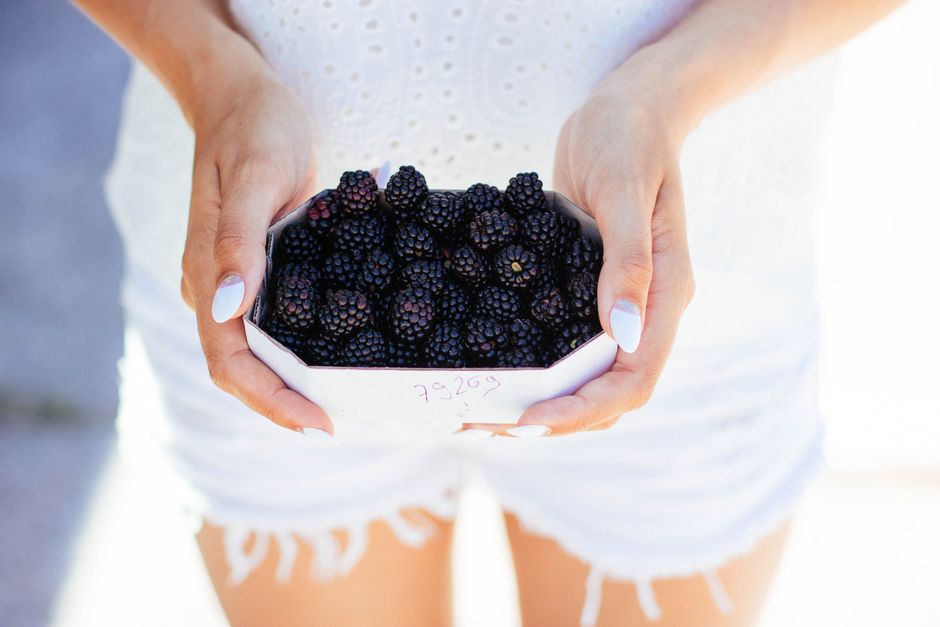
Use berries that are dark, plump, and easy to detach, but not leaking juice in your container. Mixes of wild blackberry sizes are fine. The important checks are correct identification, clean growing conditions, and quick use after picking. Refrigerate the berries if you cannot cook them the same day.
How Should You Jar and Store Wild Blackberry Jelly?
Use clean, warm jars and leave the headspace specified by your tested canning method, usually ¼ inch for jelly. Fill carefully, wipe the rim, apply the lid, and process the jars in a boiling-water bath. Processing time changes with altitude, so use the guidance for your location rather than copying a time from a different elevation.
When pectin is the better choice
Sure-Jell Premium Fruit Pectin in its standard 1.75-ounce box is the practical choice when your apples are sweet, your berry harvest is very ripe, or you want repeatable results across several batches. Follow the package formula exactly. Do not combine a full pectin recipe with a separate low-sugar recipe, because the ratios are different.
For pantry storage, use a tested water-bath method and inspect each seal after cooling. Any jar that did not seal belongs in the refrigerator. Opened jelly also belongs in the refrigerator, where a clean spoon and a small 8-ounce jar make it easier to use before quality drops. For readers without canning equipment, freeze the jelly or keep it chilled rather than treating a hot-filled jar as shelf-stable.