
 Kellie Roberts
The reliable method is simple: brown well, simmer the beef gently, and steam the dumplings only after the gravy has thickened. This produces tender chuck, a dark ale sauce with enough bitterness to cut through the fat, and thyme dumplings that stay soft instead of turning into dense flour balls. The recipe serves 6 and takes about 3 hours, with roughly 35 minutes of active work.
Why ale makes beef stew taste richer
A beef stew needs more than liquid. It needs a cooking medium that can carry browned meat, softened onions, stock, herbs, and gelatin into one balanced sauce. Ale works because its malted grain brings toasted, lightly sweet flavors that match the browned crust on beef. The alcohol itself is not the main point. Most of it cooks away during the long simmer, while the ale’s malt, bitterness, and roasted notes remain.
How browning creates the base flavor
Beef chuck contains connective tissue and enough fat to handle a long cook. Cut it into 5 cm chunks and dry the surface thoroughly before seasoning. Wet meat steams in the pot. Dry meat browns. Brown the pieces in a single layer over medium-high heat, working in batches if needed. The dark residue on the bottom is not burnt waste unless it smells acrid. It is concentrated beef flavor that the ale and stock will loosen.
What the stew should taste like
The finished sauce should taste savory first, malty second, and bitter only in the background. If the ale dominates, the stew needs more stock, a little extra onion, or a small pinch of brown sugar. If it tastes flat, salt it before adding more ale. Salt does not just make food taste salty; it sharpens the contrast between the beef, vegetables, and gravy.
Which ale and beef cut give the best result?
For this recipe, beef chuck is the clear winner. It has the right balance of fat and collagen, and it becomes tender without falling apart into shreds too early. Shin can produce an even silkier sauce but needs more time. Lean stewing steak is the weakest choice because it can become dry before the connective tissue softens.
| Ingredient choice | Useful specification | Verdict |
|---|---|---|
| Beef chuck | 5 cm cubes, about 1.2 kg for 6 servings | Best all-purpose cut; tender after 2 to 2½ hours |
| Guinness Draught | About 4.2% ABV; smooth roasted malt | Best for a rounded, familiar gravy |
| Murphy’s Irish Stout | About 4.0% ABV; softer roast character | Best when you want less bitterness |
| Timothy Taylor’s Landlord | About 4.3% ABV; pale ale with a firm hop edge | Best for a brighter, less dark stew |
| Strong imperial stout | Often above 8% ABV with heavy roast flavor | Skip it; the sauce can turn bitter and thick |
The right amount of ale
Use 500 ml of ale with 500 ml of beef stock for 1.2 kg of chuck. That ratio gives the ale room to show up without making it the only flavor. Pour the ale in after the tomato paste has cooked for 1 minute, then scrape the pot. Boil for 3 to 4 minutes before adding the stock. This short reduction removes some raw sharpness and concentrates the malt.
When a different cut is the better choice
Choose beef shin when you want a glossy sauce with more natural gelatin and do not mind a 30-minute longer cook. Choose brisket when you prefer larger slices that hold their shape. Do not use fillet, sirloin, or rump for this method. Those cuts cost more and offer no advantage after a long braise. The best value remains chuck.
How to cook the stew without tough beef
Use a heavy Dutch oven with a lid. A 5 to 6 litre pot gives the meat enough room to brown while keeping the liquid at a steady depth. The order of operations matters more than fancy equipment.
- Heat 2 tablespoons of neutral oil over medium-high heat. Season 1.2 kg beef chuck with 2 teaspoons of salt and 1 teaspoon of black pepper.
- Brown the beef in three batches. Give each batch 3 to 4 minutes on the first side and 2 minutes on the remaining sides. Transfer the meat to a plate.
- Add 2 sliced onions, 2 diced carrots, and 2 diced celery sticks. Cook for 8 minutes, stirring until the onions soften and pick up the brown residue.
- Add 4 chopped garlic cloves and 2 tablespoons of tomato paste. Stir for 60 seconds. Do not let the garlic scorch.
- Pour in 500 ml ale. Scrape the bottom with a wooden spoon and simmer for 3 to 4 minutes.
- Return the beef to the pot. Add 500 ml beef stock, 2 teaspoons Worcestershire sauce, 3 thyme sprigs, and 1 bay leaf. The liquid should come about two-thirds of the way up the meat.
- Cover and cook at 160°C for 2 to 2½ hours, or on the stovetop at a low simmer. Turn the beef once after 75 minutes.
- Remove the lid for the final 20 minutes if the sauce looks thin. The gravy should coat a spoon but still flow.
How to diagnose tough beef
Tough beef after 90 minutes usually needs more time, not more heat. Keep cooking in 20-minute checks. If the liquid has nearly disappeared before the beef is tender, add 150 ml hot stock and cover the pot again. If the meat is dry and stringy, the pieces may have been too lean or too small. The next batch should use larger 5 cm cubes.
When to add the dumplings
Add the dumplings only when the beef is already tender. They need about 20 minutes of covered steaming, and the lid should stay closed during that time. Opening the pot releases the steam that cooks the centers. If the stew is very thick before the dumplings go in, stir in 100 ml hot stock so the gravy can circulate around them.
How do you keep thyme dumplings light?
Light dumplings depend on gentle mixing and enough steam. Treat the dough like a quick pastry, not bread dough.
What is the correct dumpling mixture?
Mix 250 g self-raising flour, 2 tablespoons chopped fresh thyme, ½ teaspoon salt, and 125 g cold vegetable suet or grated cold butter. Add 150 ml buttermilk and stir just until no dry flour remains. The mixture should look rough and slightly sticky. If it looks smooth and elastic, it has been mixed too much.
Why do dumplings turn dense?
Dense dumplings usually come from three mistakes: overworking the dough, using too little raising agent, or letting the stew boil hard while they cook. Shape the dough into 8 loose balls with floured hands. Set them on the stew with space between each one. Cover immediately and cook for 18 to 22 minutes. The centers should feel springy, not wet.
Can you make the dumplings without suet?
Yes. Cold grated butter gives a tender result, though the dumplings may spread a little more. For a firmer dumpling, use 100 ml milk instead of buttermilk. The flavor will be milder, but the method still works. Avoid adding extra flour to sticky dough unless it is impossible to shape; too much flour is the fastest route to heavy dumplings.
When should you change the recipe?
My strongest recommendation is to keep the stew traditional when the goal is deep, cold-weather comfort. Beef chuck, moderate-strength ale, onions, carrots, thyme, and suet dumplings form a balanced system. Extra ingredients can help, but they should solve a clear problem rather than decorate the pot.
Useful substitutions
- Use mushrooms for up to one-third of the beef when serving a smaller portion of meat. Brown them separately so they keep their texture.
- Replace 150 ml of the stock with red wine for a sharper, fruitier sauce. Do not replace all the ale; the malt is part of the recipe’s identity.
- Use pearl onions instead of some diced onion when you want whole vegetables in the finished bowl.
- Use plain flour mixed with 2 teaspoons baking powder per 125 g if self-raising flour is unavailable.
How to serve, store, and reheat beef and ale stew
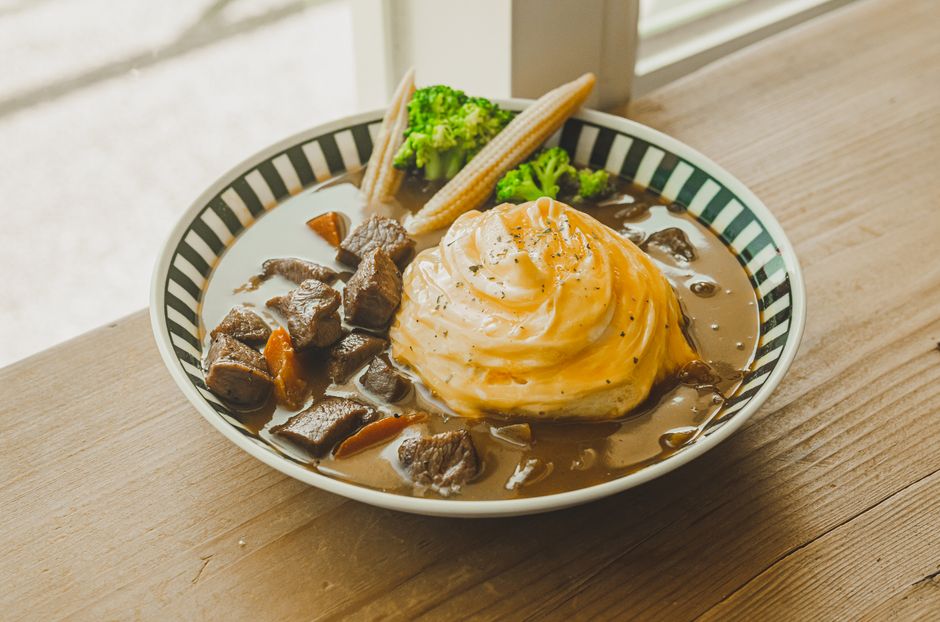
The stew is ready when the beef yields easily and the gravy clings to the meat without becoming paste-like. Taste the sauce before serving. Remove the bay leaf and thyme stems, then adjust salt. A small splash of malt vinegar can brighten a heavy gravy, but add it by the teaspoon rather than by guesswork.
| Stage | Temperature or time | Best practice |
|---|---|---|
| Rest before serving | 10 minutes off the heat | Lets the gravy settle and the dumplings finish firming |
| Refrigeration | Up to 3 days at 4°C or below | Cool in shallow containers before covering |
| Freezing | Up to 3 months | Freeze the stew without dumplings when possible |
| Reheating | Gently simmer for 15 to 20 minutes | Add a splash of stock and stir from the bottom |
The final verdict
For the most dependable result, use 1.2 kg beef chuck, a 4.0% to 4.3% ale, and a covered Dutch oven. Brown the meat in batches, simmer until tender, and steam the thyme dumplings for the final 20 minutes. This is not legal advice — consult a licensed attorney. As home cooking moves toward better use of time and ingredients, this stew remains a strong example of how patient heat can turn inexpensive cuts into a complete meal.