

 Kellie Roberts
 The 7:18 a.m. lunchbox panic usually starts with an empty refrigerator, one child who suddenly dislikes sandwiches, and five minutes before the bus arrives. The fix is not a more elaborate recipe. It is a repeatable lunch system built around food your child already eats. Start with a main item, add one fruit or vegetable, include a filling snack, and pack the same few combinations on rotation. That approach cuts waste, prep time, and the number of untouched lunches coming home.
The lunchbox problem is usually a planning problem
The best back-to-school lunch is not the one that looks most colorful on a social media feed. It is the one a child can open, recognize, eat within the lunch period, and finish without help. A complicated lunch creates several costs at once: more ingredients to buy, more containers to wash, more chances for a leak, and more food that may return untouched.
Why attractive lunches still come home uneaten
Children often reject lunches for practical reasons rather than nutritional ones. A whole apple takes too long to bite, wet crackers turn soft beside sliced tomatoes, and a tightly packed wrap can be difficult for small hands to open. Temperature matters too. Warm pasta that cools into a sticky block may lose its appeal, while yogurt without a cold pack can become unsafe. The first recommendation is simple: pack familiar foods in the easiest possible form. Cut grapes lengthwise for younger children, slice sandwiches into strips, and keep wet ingredients separate from crisp ones.
Use appetite and time as your portion guide
Start with the amount your child actually eats, not the capacity of the container. A younger child may need one-half to one cup of main food, a few bites of produce, and a small snack. Older children may need closer to two cups of total food, especially on sports days. Track leftovers for one week. If the same food returns untouched twice, change the format before changing the ingredient. A tortilla pinwheel may work where a full sandwich failed, and cucumber coins may work where a whole cucumber did not. The winning lunch is the one that gets eaten consistently.
Build a five-part lunch formula that works on busy mornings
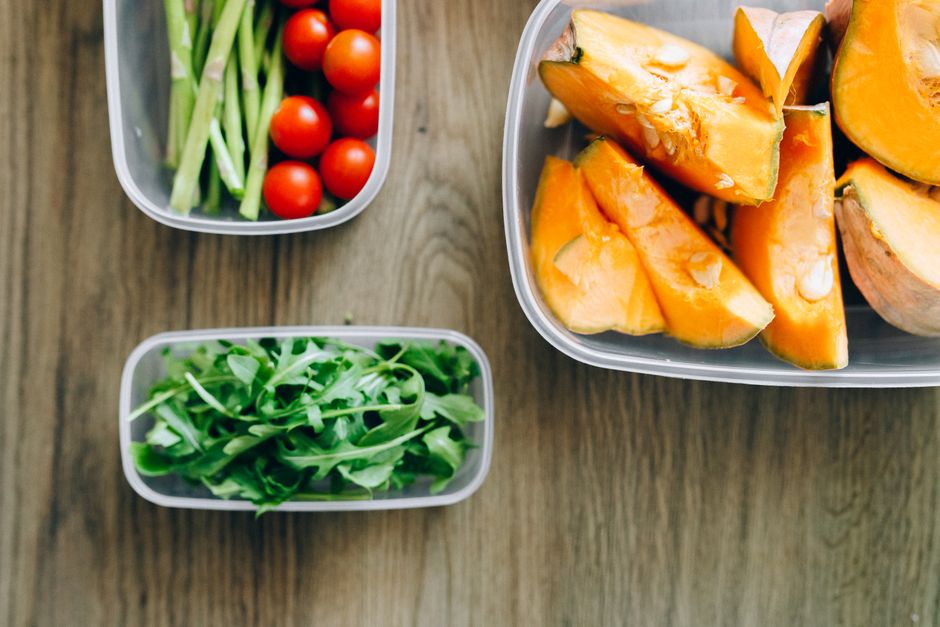
The most reliable system uses five slots: a main food, a produce item, a protein or dairy item, a small treat, and a drink. You do not need five separate recipes. One batch of roasted chicken, cooked pasta, hard-boiled eggs, or bean salad can support several lunches when you change the shape and seasoning. This is the best use of meal prep because it saves decisions without forcing the family to eat the same plate every day.
Choose the main item before adding extras
- Main: Pick one filling base such as a turkey-and-cheese roll-up, pasta salad, quesadilla wedges, rice with edamame, or a hummus pita.
- Produce: Add one item that travels well, such as berries, orange segments, snap peas, cucumber rounds, or apple slices brushed lightly with lemon.
- Protein or dairy: Use cheese cubes, yogurt, boiled egg, roasted chickpeas, sunflower-seed butter, or leftover chicken.
- Small treat: Keep it modest: one oatmeal cookie, a few pretzels, popcorn, or two squares of chocolate.
- Drink: Pack water first. Add milk or a low-sugar drink only when it fits the child’s usual routine.
Turn the formula into a five-minute routine
On Sunday, choose three mains, three produce items, and two snacks. Wash and cut only what will stay fresh for several days. Put the options where children can see them, then let them choose between two combinations each night. The adult controls the menu; the child controls the final selection. This small choice reduces morning arguments and makes the lunch more likely to come home empty.
The best lunchbox choice is the one that removes one daily failure
For young elementary students
The Bentgo Kids is the clear pick for a child who struggles with mixed textures or needs simple portions, because its five separated sections reduce decision-making and keep fruit away from crackers, but its 2.4-cup capacity makes it a poor choice for a growing older child who eats a full sandwich, large entrée, and two sides.
For cold food and forgotten ice packs
The PackIt Freezable Classic is the better choice when yogurt, cheese, or cut fruit needs to stay cold and the family regularly forgets a separate ice pack, but it adds an overnight freezer step and does not replace a leakproof food container inside the bag.
For most families, the winning setup is a modest bento container inside an insulated bag, with a cold pack added only when the menu needs it; paying more for an all-in-one system is justified only when that specific feature removes a repeated problem.
Back-to-school lunchbox questions parents ask before packing
How many foods should go in a child’s lunch?
Start with three or four foods, not seven. A main item, one produce choice, and one protein or dairy food cover the basics; a small treat can be added when it fits the family routine. More choices do not automatically create a better lunch. They often create more leftovers and more packing time. If a child regularly finishes everything and remains hungry, increase the main portion first instead of adding several new sides.
What can be packed the night before?
Pack dry foods, washed whole fruit, sealed cheese, crackers, muffins, and chilled cooked grains the night before. Cut apples, pears, and avocados closer to serving time if browning affects acceptance. Keep dips, sauces, and juicy fruit in separate leakproof sections. Refrigerate the complete lunch promptly, and use an insulated bag with a cold source for perishable foods. A lunch that sits warm in a backpack for hours is not worth the convenience.
How do you stop sandwiches from becoming soggy?
Spread a thin layer of butter, cream cheese, or hummus across the bread before adding juicy fillings. Put lettuce between the bread and tomato, or pack tomato slices in a separate compartment. Toasting the bread lightly can help, but it may become firm after refrigeration. For the most reliable result, switch to a tortilla roll-up, pita wedges, or a deconstructed sandwich with bread, cheese, and fillings packed separately.
Common lunchbox mistakes and when not to buy another container
Most lunchbox failures come from buying a solution before defining the problem. A new container can make packing feel organized for a week, but it cannot fix a child who dislikes the food, a schedule that allows only ten minutes to eat, or a refrigerator that is already overloaded. The strongest plan tests the food routine first and upgrades equipment only after a repeated failure has been identified.
Mistakes that cost money and create waste
- Overpacking: Filling every compartment encourages large portions that return untouched. Start with the amount the child finishes.
- Ignoring the opening test: Let the child open and close the container before school starts. A tight latch is useless if an adult has to help at lunchtime.
- Mixing wet and crisp foods: Salsa, berries, and cucumber can ruin crackers, bread, and cereal within hours.
- Skipping the wash test: Check whether seals, trays, and corners can be cleaned fully. Hidden food residue creates smells and shortens the useful life of the container.
- Buying for the future: A larger box may look economical, but a child who eats half a cup today will not benefit from a four-cup container.
When not to buy a premium lunchbox
Do not buy the Yumbox Original or Bentgo Kids if your child prefers a full sandwich and dislikes small compartments; a simple reusable container may be easier and cheaper. Do not buy the PackIt Freezable Classic if no one can freeze it overnight or if the school has reliable refrigeration. A basic insulated bag with one reusable ice pack will cost less and create fewer steps. The best upgrade is the one that removes a real problem, not the one with the longest feature list.
The practical verdict for 2026
Use a five-part food formula, rotate three dependable mains, and test the container with your child before the first school week. That combination delivers more value than elaborate recipes or a drawer full of specialized gear. As school schedules get busier, lunchbox design will keep moving toward modular containers and built-in cooling, but the winning lunch will still be the one a child can open, recognize, and eat on time.