 Kellie Roberts
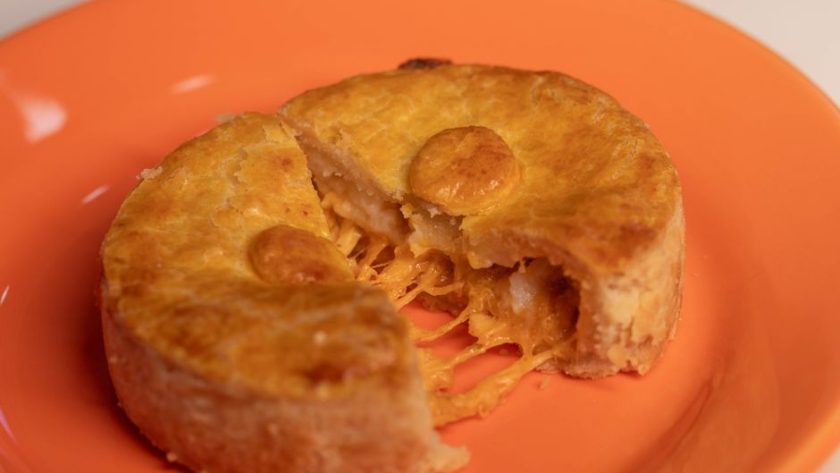
A common misconception is that chutney belongs inside the dough. It usually does not. Wet chutney can make the center gummy, stain the crumb, and burn against the baking tray. The better method is to bake a sharp cheddar scone until the edges turn golden, then split it and add chutney while the middle is still warm. That small change gives you a flaky, savory base with a bright sweet-tart layer instead of a sticky pocket.
These cheddar and chutney scones suit an autumn tea table because the dough is rich enough for cooler weather, while apple, onion, plum, or mango chutney cuts through the butter and cheese. The recipe below focuses on texture first: cold fat, limited mixing, a thick cut, and a short hot bake. It also gives you a serving plan, storage times, and clear fixes for the mistakes that turn scones dense.
How to build the dough with the right ratios
Use a simple six-scone formula
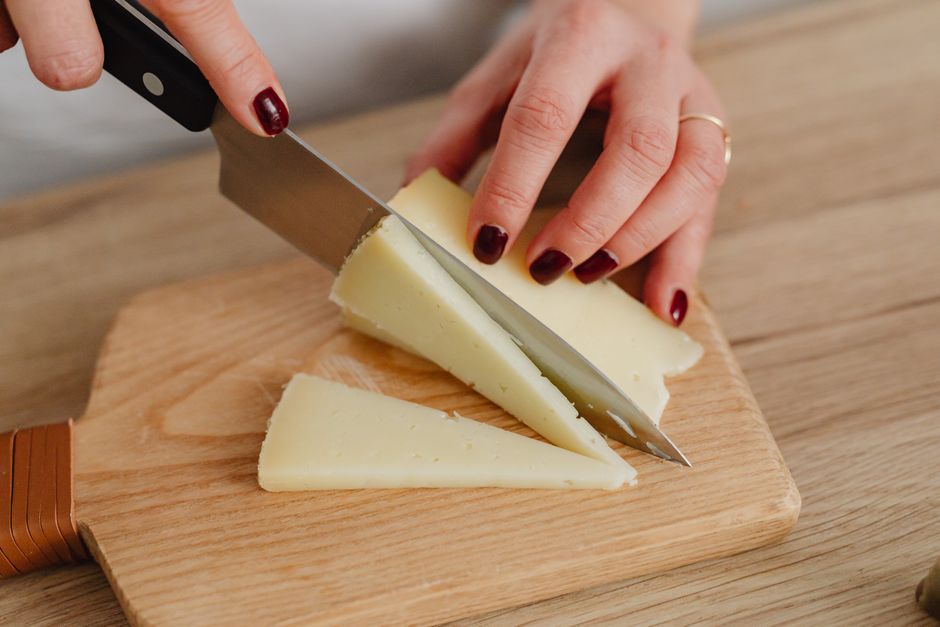
For six large scones, weigh 250 grams of plain flour, 12 grams of baking powder, 4 grams of fine salt, 60 grams of cold unsalted butter, 100 grams of grated mature cheddar, 150 grams of cold buttermilk, and 1 teaspoon of Dijon mustard. This ratio gives enough flour to support the cheese without producing a dry biscuit. The buttermilk adds moisture and a mild tang, while baking powder provides lift without making the dough taste alkaline.
If you use self-raising flour, omit the baking powder and reduce the salt to 2 grams. Do not add a full teaspoon of baking powder on top of self-raising flour. Too much raising agent can leave a sharp aftertaste and make the scones rise unevenly. Grate the cheese before you begin so the dough comes together quickly.
Keep the cheese firm and the liquid cold
Cold ingredients give you time to shape the dough before the butter softens. Chill the grated cheddar for 10 minutes if your kitchen is warm. Measure the buttermilk straight from the refrigerator. If you use milk instead, add 1 teaspoon of lemon juice and let it sit for 5 minutes. The finished dough should feel soft but not wet. If it sticks heavily to your fingers, add flour one tablespoon at a time. Stop as soon as it becomes workable.
Shape instead of knead
Rub the cold butter into the flour until some pieces are the size of peas. Stir in the cheddar and mustard, then pour in most of the buttermilk. Use a butter knife to cut through the mixture until shaggy. Tip it onto a lightly floured surface and press it together two or three times. Do not knead it like bread. Kneading develops gluten, and excess gluten gives scones a chewy center. Pat the dough to 3 centimeters thick, cut six rounds, and place them close together so the sides support the rise.
How to mix and cut cheddar scones without making them tough
Step 1: Prepare the oven and tray
Heat the oven to 220°C conventional or 200°C fan. Give it at least 20 minutes to heat fully. A hot oven sets the outside quickly and sends steam through the butter layers. Line a tray with baking paper. You do not need to grease it, and extra oil can make the bottoms spread instead of rise.
Step 2: Make the shaggy mixture
Put the flour, baking powder, salt, and mustard in a bowl. Add the cold butter and rub it in with your fingertips, lifting the flour as you work. Keep some butter pieces visible. Add the cheddar, then pour in 125 grams of buttermilk. Stir with a blunt knife. Add the remaining 25 grams only if dry flour still sits at the bottom of the bowl.
The OXO Good Grips Bench Scraper and Chopper costs about $14.95 and is useful here because its broad edge lifts sticky dough without warming it in your hands. It also cuts the dough cleanly when you portion it. This is a tool recommendation, not a required purchase; a dinner knife and a flat spatula work too.
Step 3: Cut high, bake fast
Press the dough to 3 centimeters thick. Use a sharp 6-centimeter cutter and push straight down. Twisting seals the edges and can stop the scones from rising evenly. Arrange the rounds with 1 centimeter between them for crisp sides, or touching for softer sides. Brush only the tops with buttermilk. Bake for 12 to 15 minutes, until the tops are golden and the sides feel firm.
For richer flavor, Kerrygold Unsalted Butter, usually about $5.49 for 8 ounces in U.S. supermarkets, works well because it has a pronounced dairy taste. Regular unsalted butter also gives excellent texture. The key detail is temperature, not brand: the butter should be cold enough to leave small pieces in the flour.
Which cheddar and chutney combinations taste best?
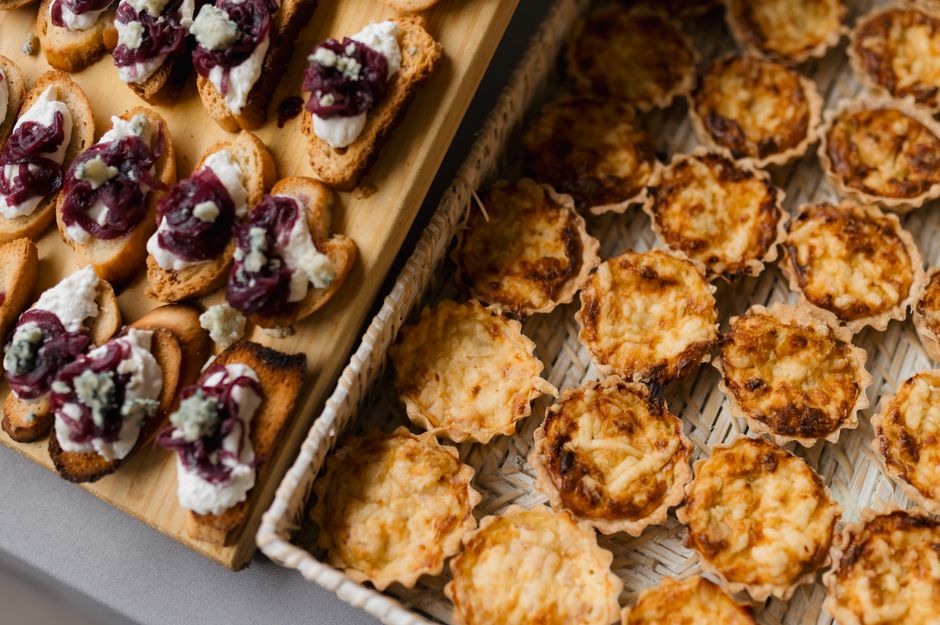
The strongest pairing for an autumn tea table is mature cheddar with apple-and-onion chutney. It has enough sharpness to stand up to tea, cream, and other pastries. The table below gives practical combinations using familiar products and a clear use case for each one. Prices are typical U.S. shelf prices in 2026 and may vary by shop.
| Cheese | Chutney | Typical price | Best use |
|---|---|---|---|
| Cabot Seriously Sharp Cheddar, 8 oz | Apple and onion chutney | About $4.99 plus $5.99 for a 9 oz jar | Best all-round autumn pairing |
| Tillamook Extra Sharp Cheddar, 8 oz | Plum chutney | About $6.49 plus $5.49 for a 9 oz jar | Deep, rich flavor for an evening tea |
| Wyke Farms Mature Cheddar, 200 g | Mango chutney | About $7.99 plus $5.99 for a 14 oz jar | Spiced, brighter serving plate |
| Sharp white cheddar, 8 oz | Tomato and chili relish | About $5.99 plus $4.99 for a 9 oz jar | Less sweet, more savory spread |
My pick for a classic tea table
Choose Cabot Seriously Sharp Cheddar with apple and onion chutney. The cheese has enough salt and bite to taste through a buttery scone, while the chutney brings acidity without turning the plate into dessert. Grate the cheese finely so it melts into the crumb, then add 2 teaspoons of chutney per split scone. That amount gives a clear flavor without making the base soggy.
When to choose a stronger or milder pairing
Pick plum chutney when the menu includes dark tea, roasted nuts, or spiced cake. Its deeper fruit flavor suits a richer table. Choose mango chutney when you plan to serve the scones with coriander, curry-spiced eggs, or a sharp pickle. For children or guests who dislike strong flavors, use a medium cheddar with tomato relish. The winning choice is the one that keeps the cheese and fruit distinct rather than letting one cover the other.
What ruins cheddar and chutney scones?
Most failures come from a few avoidable choices. Fix the cause rather than adding more flour to every problem.
- Dense centers: You probably kneaded the dough or twisted the cutter. Press the dough together only until it holds, and cut straight down.
- Dry, crumbly dough: The flour absorbed more liquid than expected, or the dough sat too long before baking. Add buttermilk one tablespoon at a time and bake soon after shaping.
- Flat scones: The butter softened, the baking powder was old, or the oven was not fully hot. Test baking powder by stirring a pinch into hot water; it should fizz strongly.
- Burnt cheese on top: The cheddar was grated too coarsely or scattered over the surface. Keep most of the cheese inside the dough and brush the tops with buttermilk instead.
- Gummy chutney pockets: You folded chutney into the raw dough. Bake the plain cheddar scones and spread chutney on after baking.
- Greasy bottoms: The tray was too warm, the butter melted during mixing, or the scones were placed on a heavily greased surface. Chill the cut dough for 10 minutes and use baking paper.
One more mistake is cutting the scones too thin. A 1-centimeter round may look neat, but it has little room to rise before the edges dry. Three centimeters is the useful target. If your cutter is smaller, make the dough slightly thicker rather than baking longer.
The clearest verdict for autumn tea tables
Use a sharp cheddar scone as the base, bake the chutney outside the dough, and serve the spread while the center is warm. That method gives you the cleanest texture and the most flexible menu. It also solves the main problem with this pairing: chutney needs moisture to taste bright, while scones need controlled moisture to stay flaky.
For a reliable batch, use 250 grams of flour, 100 grams of mature cheddar, 150 grams of cold buttermilk, and 60 grams of cold butter for six scones. Cut them 3 centimeters thick and bake at 220°C conventional or 200°C fan for 12 to 15 minutes. Choose apple and onion chutney for the classic autumn result, plum for a darker flavor, or mango for a spiced table. Skip the recipe if you need a soft, sweet breakfast pastry; these scones are built for savory contrast and work best beside tea, fruit, and light accompaniments.
The single most important takeaway is simple: keep the butter cold, use a sharp cheddar, and add chutney after baking so every scone stays flaky, savory, and cleanly layered.