

 Kellie Roberts
 Why does leek and potato soup turn thin, bland, or gluey?
Have you ever cooked a pot of leek and potato soup that looked promising, then tasted flat and heavy once it reached the bowl? The usual problem is not the recipe category. It is the order of operations. Leeks need time to soften, potatoes need enough liquid to cook without drowning, and blending needs restraint. Miss one point and the soup loses the clean, gentle flavor that makes it worth making.
The strongest method treats the soup as two separate jobs: build a sweet vegetable base, then create a creamy texture. Do not brown the leeks hard. Dark edges can taste bitter and cover their mild onion flavor. Do not boil the soup aggressively after blending, either. Potatoes release starch, and long boiling can turn that starch pasty.
What the vegetables contribute
Use about 700 g trimmed leeks, 600 g floury potatoes, 1 medium yellow onion, 2 garlic cloves, 1 litre vegetable stock, and 120 ml double cream or unsweetened oat cream. Leeks supply sweetness and a soft onion note. Potatoes provide body. Stock carries the flavor through the whole pot, while cream rounds the finish rather than creating the soup’s structure.
What “silky” actually requires
Slice the leeks into thin half-moons and rinse them well because grit often hides between the layers. Cut the potatoes into 2 cm pieces so they cook at the same rate. Sweat the leek and onion in 30 g butter with a pinch of salt for 10 to 12 minutes over medium-low heat. They should become soft and glossy, not brown. Add the garlic for 30 seconds, then the potatoes and stock. Simmer for 18 to 22 minutes, until a knife slides through the potato with no firm center. That timing gives you a smooth base without pushing the starch too far.
The practical verdict is clear: gentle sweating and moderate blending produce a better soup than extra cream or a longer simmer.
How much stock, potato, and leek should you use?
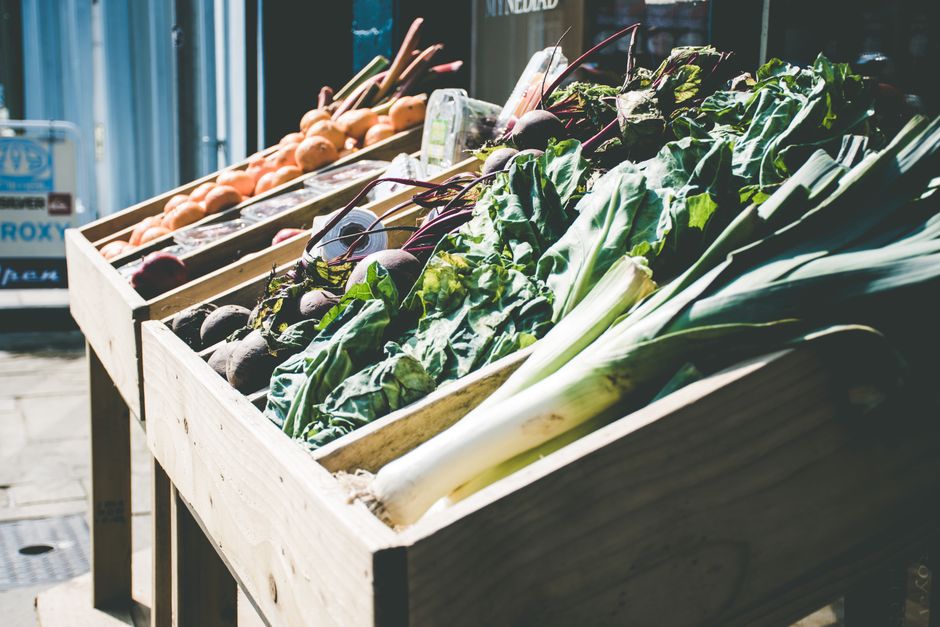
Ratio matters more than most recipe writers admit. Too much stock leaves the soup watery and forces you to reduce it after blending. Too little liquid makes the potatoes catch on the bottom and gives the finished soup a mashed-potato texture. The measurements below make four generous servings or six smaller bowls.
Reliable base ratio
| Ingredient | Amount | Purpose |
|---|---|---|
| Trimmed leeks | 700 g | Sweet onion flavor |
| Floury potatoes | 600 g | Body and thickness |
| Yellow onion | 1 medium | Deeper base flavor |
| Vegetable stock | 1 litre | Cooking liquid |
| Butter or olive oil | 30 g or 2 tbsp | Softening the vegetables |
| Cream or oat cream | 120 ml | Rounder finish |
| Fresh sage | 16 to 20 leaves | Crisp topping |
How to adjust the final consistency
For a spoon-standing soup, begin with 900 ml stock and add the remaining 100 ml only after blending. For a lighter lunch soup, use the full litre and add 100 to 150 ml extra stock at the end. Warm the added liquid first. Cold liquid can lower the temperature and make the soup harder to judge.
When salt should be added
Add a small pinch when the leeks begin to soften, then taste after the stock has simmered. Stock brands vary sharply in salt level, so adding the full amount at the beginning can leave the soup over-seasoned. Finish with 1 teaspoon lemon juice or cider vinegar if the bowl tastes dull. The acid should not make the soup sour. It should sharpen the leeks and sage.
For this recipe, the winning ratio is 700 g leeks to 600 g potatoes and about 1 litre stock. That balance gives enough vegetable flavor to stand up to the cream.
Should you blend leek and potato soup completely?
Yes, if your goal is a smooth soup with crisp sage on top. No, if you want visible pieces and a rustic texture. Both outcomes can work, but they require different handling. The most reliable compromise is to blend about three-quarters of the pot, then leave a small portion chunky.
Can an immersion blender make the soup gluey?
It can if you blend for too long or keep the blade running after the soup is already smooth. Start with the blender head fully below the surface to avoid splashing. Blend in short 10-second bursts, moving slowly around the pot. Stop as soon as the soup looks even. Potatoes contain starch, and mechanical agitation releases more of it. That is why a five-minute blend can taste noticeably heavier than a 45-second blend.
Can you use a countertop blender?
Yes, but work in batches and remove the center cap from the lid so steam can escape. Cover the opening with a folded kitchen towel, not your bare hand. Fill the blender no more than halfway. Hot soup expands quickly, and a sealed lid can force scalding liquid upward. Blend one batch until smooth, pour it into a clean saucepan, and repeat. Stir in the cream only after all the soup has returned to the pan.
My verdict: blend most of the soup briefly, then stop. A little texture gives the bowl more character, while over-blending is the fastest route to a sticky finish.
How do you make sage crisp without burning it?
The sage garnish should be treated as a separate small cooking task. It does not need to cook in the soup. When sage simmers in liquid, it gives up its fragrance but loses the brittle texture that makes this bowl interesting. Frying the leaves in butter creates a contrast: soft soup underneath, crisp herbal leaves on top.
A four-step method
- Pat 16 to 20 fresh sage leaves completely dry. Moisture causes butter to spit and prevents even crisping.
- Melt 45 g unsalted butter in a small frying pan over medium heat. Add the sage when the butter begins to foam.
- Fry for 45 to 75 seconds, turning once, until the leaves darken slightly and feel firm at the edges.
- Transfer the leaves to a plate lined with paper. Pour the browned butter over the finished soup just before serving.
Mistakes that ruin the garnish
- Using wet sage, which makes the butter splatter and can leave the leaves limp.
- Starting with high heat, which burns the milk solids before the leaves become crisp.
- Leaving the sage in the hot pan after turning off the heat, because residual heat keeps cooking it.
- Adding all the browned butter to the pot, which hides the sage aroma instead of placing it on the surface.
If you prefer a dairy-free soup, use 2 tablespoons olive oil for the soup base and fry the sage in 3 tablespoons olive oil. The leaves will be crisp, but the butter version has a nuttier finish. For most bowls, browned butter and sage are the better match because the potatoes soften their richness.
The clear recommendation is to fry the sage separately and use the cooking fat as a finishing drizzle. That gives you control over both flavor and texture.
What should you do when the soup tastes wrong?

The fastest fix depends on the actual fault. Do not add random cream, salt, or stock and hope the balance improves. Taste first, then make one controlled change.
If the soup is bland
Add salt in small ¼-teaspoon increments, stirring and tasting after each addition. If the soup tastes salty but still dull, add ½ teaspoon lemon juice or cider vinegar. Freshly ground black pepper helps, but it cannot replace seasoning. A tablespoon of finely grated Parmesan can add savory depth, although it changes the soup from fully vegetarian if the cheese uses animal rennet.
If the soup is thin, thick, or bitter
- Too thin: Simmer uncovered for 5 to 8 minutes before adding cream, or blend one extra cooked potato into the pot.
- Too thick: Add warm stock in 60 ml portions. Stop when the soup coats a spoon but still pours easily.
- Gluey: Do not keep blending. Add warm stock, a splash of cream, and a little acid to loosen the mouthfeel.
- Bitter: Remove any scorched leek or garlic from the bottom. Transfer the unburned soup to a clean pan, then correct with cream and a small pinch of sugar.
The mistake to avoid is scraping a burnt layer from the bottom into the soup. Burnt alliums spread quickly through a mild recipe, and extra seasoning rarely hides them.
For a doubtful batch, the best rescue is usually warm stock, a small amount of cream, and a measured touch of acid. Make one adjustment at a time.