
 Kellie Roberts
 How do you make gooseberry fool taste bright and fruity instead of flat, watery, or too sweet? The answer lies in treating the gooseberries as the main event. Cook them briefly with enough sugar to soften their bite, cool the fruit fully, then fold it through softly whipped cream. The result should taste like tart summer fruit wrapped in a cool, rich cloud.
What Is Gooseberry Fool?
The simple formula behind the dessert
Gooseberry fool is a British fruit dessert made from cooked gooseberries and whipped cream. Some versions include custard, yogurt, or a little elderflower, but the classic structure stays simple: fruit, sugar, cream, and cold serving temperature. The name “fool” probably refers to folding fruit into cream, although its exact history remains unclear.
The fruit should keep some texture. A smooth purée gives you a pleasant mousse, but small pieces make the dessert taste fresher and more homemade. For four servings, use 500 grams of gooseberries, 100 grams of granulated sugar, and 300 milliliters of heavy cream.
Why tartness makes the cream work
Gooseberries contain enough natural acidity to cut through cream’s richness. That contrast gives the dessert its identity. If you replace the fruit with a very sweet berry and keep the same sugar amount, the fool can taste heavy. Gooseberries need sweetness, but they should still make your mouth water after each spoonful. For that reason, gooseberry fool works best as a small dessert rather than a large bowl.
Which Gooseberries Make the Best Fool?
Green and red gooseberries compared
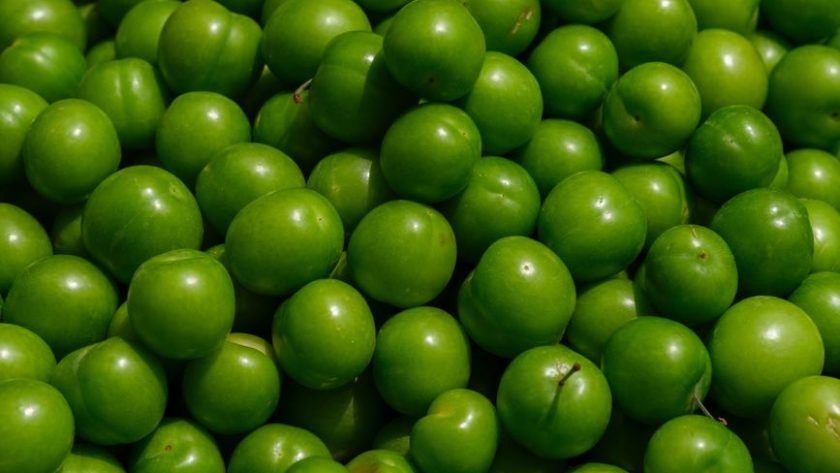
Green gooseberries are the strongest choice for a classic fool because they bring firm texture and high acidity. Red and pink varieties taste sweeter and softer, so they produce a rounder dessert with less sharpness. Both work, but they need different sugar levels.
| Gooseberry type | Flavor | Sugar for 500 g fruit | Best result |
|---|---|---|---|
| Green | Sharp, fresh, acidic | 90–110 g | Classic tart fool |
| Pink | Soft, floral, mildly tart | 70–90 g | Gentler dessert |
| Red | Sweet, jammy, less acidic | 60–80 g | Rich fruit-and-cream pudding |
| Frozen | Usually tart, slightly softer | Use the same range | Reliable year-round option |
Fresh or frozen fruit?
Fresh gooseberries give the best shape, but frozen fruit makes an excellent fool. Cook frozen berries straight from the freezer and allow a few extra minutes for the liquid to evaporate. Do not thaw them in a bowl and pour all that melted juice into the pan; the compote may take too long to thicken.
The clear verdict
Choose green gooseberries when you want the traditional British flavor. Choose frozen green gooseberries when fresh berries cost too much or fall outside their short season. The cream will soften the fruit, but it cannot rescue berries that lack flavor.
How to Make Gooseberry Fool Step by Step
Cook the fruit without losing its brightness
Top and tail 500 grams of gooseberries, then place them in a saucepan with 100 grams of sugar and 2 tablespoons of water. Set the pan over medium heat. Cook for 6 to 10 minutes, stirring once or twice, until most berries split and release juice. Stop before the fruit turns into a thin sauce. You want a spoon to leave a track across the bottom of the pan.
Remove the pan from the heat and taste the compote while it is warm. Add 1 teaspoon of lemon juice only if the fruit tastes dull. Lemon should sharpen the gooseberries, not make the dessert taste like lemon cream.
Cool the compote before adding cream
Spread the cooked fruit in a shallow bowl and chill it for at least 45 minutes. Warm fruit melts whipped cream and creates a loose, streaky mixture. Whip 300 milliliters of cold heavy cream with 1 teaspoon of vanilla until it forms soft peaks. The cream should hold a ridge but still look smooth.
Fold three-quarters of the cold fruit into the cream with a large spoon. Leave visible pale and pink streaks rather than mixing until the color becomes uniform. Divide the remaining compote over the top. Chill the finished fool for 30 minutes before serving. This timing gives the dessert enough structure without making the cream dense.
Five Mistakes That Ruin Gooseberry Fool
Use this quick failure check
- Adding too much sugar: Gooseberries should taste tart after cooking. Start with 90 grams for green fruit and add more only after tasting.
- Boiling the fruit too hard: High heat breaks the berries into watery jam. Medium heat protects both flavor and texture.
- Skipping the cooling step: Warm compote melts cream. Chill it in a shallow dish, not a deep jar.
- Overwhipping the cream: Stiff cream makes a heavy, grainy fool. Stop at soft peaks.
- Folding too aggressively: Vigorous stirring removes air and turns the dessert gray-green. Fold slowly and leave streaks.
How to fix a loose fool
If the mixture looks runny, do not add more sugar. Sugar draws out liquid and can make the problem worse. Chill the bowl for 30 minutes first. If it still lacks body, whip 60 milliliters of extra cream to soft peaks and fold it in gently. The flavor will become milder, so add a spoonful of reserved gooseberry compote on top for contrast.
My Pick for the Best Pantry Version
Use ordinary ingredients, but choose them well
Green gooseberries, lightly sweetened and folded into softly whipped cream, make the best gooseberry fool. Fancy additions can be pleasant, but they should support the fruit rather than hide it. Ordinary caster sugar, double cream and a good vanilla extract are all you need; no particular brand is required.
Kerrygold Unsalted Butter has no essential role in the classic recipe, but a small amount can enrich a cooked gooseberry compote if you serve it with shortbread. Maldon Sea Salt can sharpen caramel or biscuit crumbs, yet a pinch of ordinary fine salt works just as well.
When not to add extra flavor
Skip vanilla if the gooseberries already taste floral and sweet. Skip elderflower if you want the cleanest traditional profile. Add one flavor at a time, then taste. My clear choice for first-time cooks is vanilla cream with no alcohol, spices, or citrus beyond a possible teaspoon of lemon juice. It gives the fruit enough room to speak.
Gooseberry Fool Questions, Answered
Can you make gooseberry fool ahead?
Yes. Make it up to 6 hours ahead and keep it covered in the refrigerator. The cream may soften slightly, but the dessert will still hold its shape. For the firmest texture, cook the fruit one day ahead and fold it into whipped cream shortly before serving.
Can you use yogurt instead of cream?
Use Greek yogurt when you want a lighter, sharper dessert. It will taste less lush and may become watery if you use ordinary yogurt. Mix 250 grams of thick Greek yogurt with 150 milliliters of whipped cream for a balanced middle ground. This version is a better choice for breakfast-style servings, but whipped cream alone gives the classic fool its smoothest texture.
Can you freeze gooseberry fool?
Freezing is not my recommendation. The fruit freezes well, but whipped cream can turn icy and grainy after thawing. Freeze the cooked gooseberry compote instead, then thaw it in the refrigerator and fold it into freshly whipped cream. That method protects both the flavor and the texture.
How to Serve Gooseberry Fool So It Tastes Fresh
Keep the portions small and the contrast clear
Spoon the fool into four small glasses or six espresso cups. A portion of 150 to 180 milliliters gives enough cream to feel generous without dulling the fruit. Add a few whole cooked gooseberries, a thin spoonful of compote, or a crisp biscuit just before serving. Avoid heavy toppings that compete with the tartness.
Serve the fool cold but not icy. Ten minutes at room temperature brings out the gooseberry aroma and softens the cream. Shortbread makes the best partner because its buttery crunch contrasts with the soft dessert. Toasted oats offer a less rich alternative, while crushed meringue adds sweetness and a brittle texture.
The answer to the opening question
If you are staring at a bowl of sharp gooseberries and wondering how to turn them into dessert, cook them briefly, cool them completely, and fold them into softly whipped cream. That three-part method preserves the fruit’s bite while giving you the rich, cool finish that makes gooseberry fool worth making.