
 Kellie Roberts
 Classic British summer pudding turns soft berries and day-old white bread into a vivid, chilled dessert. The trick is not fancy equipment. It is choosing the right fruit, soaking the bread evenly, and giving the pudding enough time to set.
Why British summer pudding needs sharp, juicy berries
The fruit does two jobs
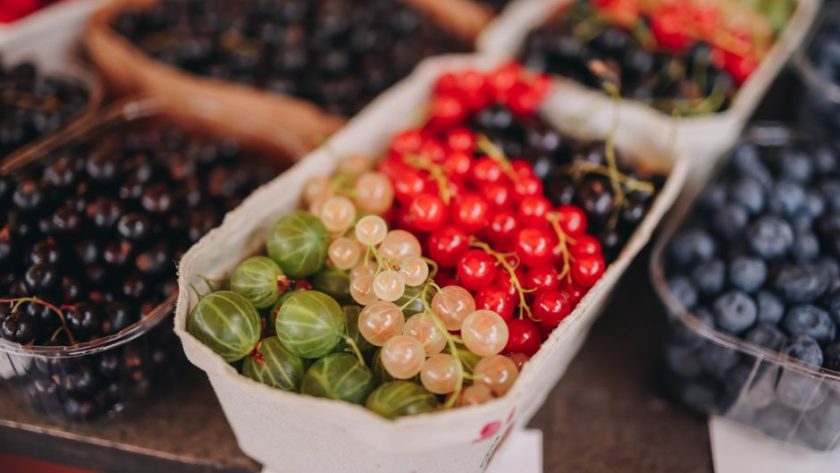
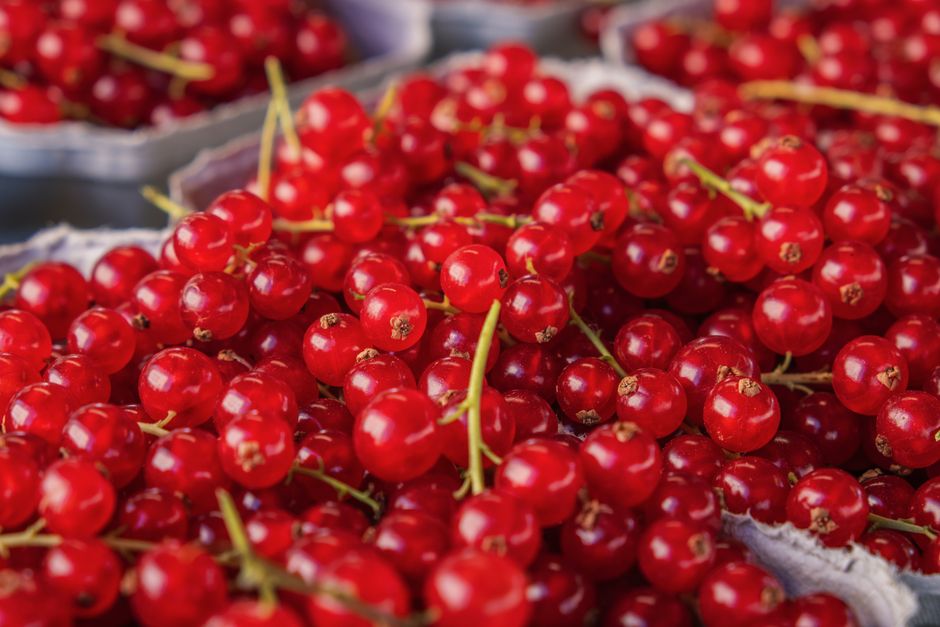
The berries provide both the filling and the colour that stains the bread. Use a mix rather than one sweet fruit. Raspberries bring fragrance, redcurrants add tartness, blackberries give body, and blackcurrants create the deep purple juice that makes the pudding look finished. Strawberries can join the mixture, but they should not dominate because they release less juice and can taste flat after chilling.
For one 1.2-litre pudding, use about 900g of fruit. A reliable mix is 300g raspberries, 200g blackberries, 150g redcurrants, 150g blackcurrants, and 100g strawberries. Frozen berries work well for the cooked filling, especially blackcurrants and redcurrants. Add fresh raspberries at the end if you want a cleaner shape and brighter flavour.
Why the bread must be slightly stale
Fresh bread collapses into paste when it meets hot berry juice. Very dry bread leaves pale gaps and does not seal the mould. Day-old, thin-sliced white bread gives the best balance. Trim away the crusts, then press each slice firmly against the bowl so the slices overlap by at least 1cm. The overlap matters. Berry juice finds every open seam.
Summer pudding exists because it solves a simple kitchen problem: it preserves soft summer fruit in a form that can be prepared ahead. The bread absorbs the juice, the cold firms the structure, and the fruit stays bright instead of disappearing into a heavy cake.
How much fruit, sugar, bread, and time do you need?
The dependable batch formula
| Ingredient or stage | Amount | Purpose |
|---|---|---|
| Mixed berries | 900g | Filling and natural colour |
| Granulated sugar | 125g | Balances tart fruit |
| Water | 2 tablespoons | Starts the juice without scorching |
| Thin white bread | 10 to 12 slices | Forms the shell |
| Cooking time | 5 minutes | Softens fruit while keeping its shape |
| Minimum chill | 8 hours | Sets the pudding firmly |
Use the right bowl
A 1.2-litre pudding basin or rounded bowl gives the classic domed shape. A straight-sided 1-litre bowl also works, but the slices need more careful trimming. Grease is unnecessary. Line the bowl with a large sheet of plastic wrap if you want an easier release, leaving plenty hanging over the rim. The wrap also protects the bread while you press down the top.
Keep 100ml of the strained berry juice aside. You may need it to patch pale spots before chilling. Do not pour every drop into the bowl at once. Too much liquid at the base makes the bottom slice slide away from the fruit.
How to assemble summer pudding without weak seams
Cook the berries briefly
- Place the berries, sugar, and water in a wide saucepan over medium heat.
- Cook for 4 to 5 minutes, stirring once or twice. The fruit should release plenty of juice but still keep some shape.
- Take the pan off the heat and leave it for 10 minutes. Very hot juice can turn the bread into a loose paste.
- Set a sieve over a bowl and drain the fruit. Save all the juice.
Line, fill, and press
- Dip one bread slice into the juice for 2 seconds per side. It should be coloured but still hold together.
- Line the base and sides of the bowl, overlapping every seam. Cut small wedges for curved gaps rather than forcing one large slice into place.
- Spoon in the drained fruit in two or three layers. Press gently after each layer to remove large air pockets.
- Cover the top with more juice-dipped bread. Patch any visible white areas with small bread pieces.
- Cover with the overhanging plastic wrap, place a small saucer on top, and add a light weight.
You do not need a stand mixer or specialist dessert machine. A Pyrex Classic 1 L Glass Measuring Jug makes it easy to judge the reserved juice, while an OXO Good Grips 2-Cup Angled Measuring Cup gives a clear 500ml scale when you are working with a smaller batch. For cooks who want a firm temperature check on the fruit, the ThermoWorks Thermapen ONE reads in about one second, but timing and texture matter more than a precise number here. My equipment verdict is simple: use a bowl, a sieve, and a measuring jug; the pudding does not improve because the tools are expensive.
Chill the covered pudding for at least 8 hours. Overnight is better. The weight should be light enough to compress the bread without squeezing all the fruit juice into one layer.
Common summer pudding mistakes and the fixes that work
Why does the pudding leak?
Leaking usually means the bread seams were not overlapped or the slices were dipped too briefly. Patch the inside with a small piece of soaked bread before filling. If the pudding is already assembled, leave it in the bowl and serve it with the leak facing down. The flavour will remain good, but the shape may not survive a full unmould.
Why is the centre pale or watery?
A pale centre means the juice did not reach the inner bread. Save a little strained juice for this reason. Pour it slowly over the top before covering, then let it sit for 10 minutes so the liquid can travel through the seams. A watery base usually comes from adding the fruit before it drained or from using too much extra liquid. Drain the cooked berries thoroughly. The filling should look glossy, not soupy.
What else goes wrong?
- Overcooked fruit: boiling for 10 minutes creates a jam texture and removes the fresh berry taste. Stop when the fruit softens but still has visible pieces.
- Too little sugar: cold temperatures reduce the impression of sweetness. Taste the warm juice before assembly and add sugar if the fruit tastes harsh.
- Warm unmoulding: a pudding chilled for only two or three hours often slumps. Give it 8 hours, then dip the outside of the bowl in warm water for 5 seconds.
- Thick bread: country loaves and sourdough bring too much structure and can leave gaps. Use thin white sandwich bread for the classic result.
The clear winner for a neat pudding is patience: cool the fruit, press the seams, and chill overnight.
How should you unmould and serve British summer pudding?
Can you make it ahead?
Yes. Assemble the pudding up to 24 hours before serving and keep it covered in the refrigerator. Do not freeze it. Freezing damages the bread texture and makes the berries release excess water as they thaw. Take the pudding out only when you are ready to unmould it.
What should you serve with it?
Run a thin knife around the top edge, place a serving plate over the bowl, and turn it over in one confident movement. If the bowl resists, dip the outside in warm water for 5 seconds and try again. Serve thick slices with softly whipped cream, pouring cream, or plain Greek yogurt. Cream is the best match because its richness softens the sharp berries without hiding their flavour.
Use extra fresh berries only as a light garnish. Too much fruit on top makes the pudding look crowded and adds moisture to the cut surface. A spoonful of reserved berry juice around the plate is more useful than a heavy sauce.
For a classic British summer pudding, the best choice is a mixed berry filling led by raspberries, blackberries, redcurrants, and blackcurrants, held in thin day-old white bread and chilled overnight. That combination gives the strongest colour, the cleanest slice, and the bright sweet-tart flavour this dessert is meant to have.