 Kellie Roberts
 Why garlic rosemary lamb works for Easter
The best Easter roast lamb has a browned, savory crust and a moist center. A leg of lamb delivers both when you match the cooking time to its weight, salt it early, and rest it before carving. Garlic and rosemary support the meat without hiding its flavor.
Lamb fat needs high heat first
Lamb contains a thick outer layer of fat and connective tissue. The oven needs enough heat to brown the surface before the center overcooks. Start at 220°C or 425°F for 20 minutes, then lower the oven to 180°C or 350°F. This two-stage method builds color quickly and cooks the middle more gently.
Rosemary brings a pine-like aroma that cuts through the richness of lamb. Garlic adds sweetness as it roasts, but minced garlic can burn during the first high-heat stage. Press sliced cloves into shallow cuts instead. The meat absorbs their flavor while the exposed edges stay protected by the crust.
Pick the right cut
Choose a bone-in leg for the strongest flavor and a dramatic table presentation. Buy a boneless leg when you need easier carving or more predictable portions. A shoulder tastes richer and contains more connective tissue, so it needs slower cooking. For a classic Easter centerpiece, the bone-in leg is the clear winner.
How much lamb to buy and how long to roast it
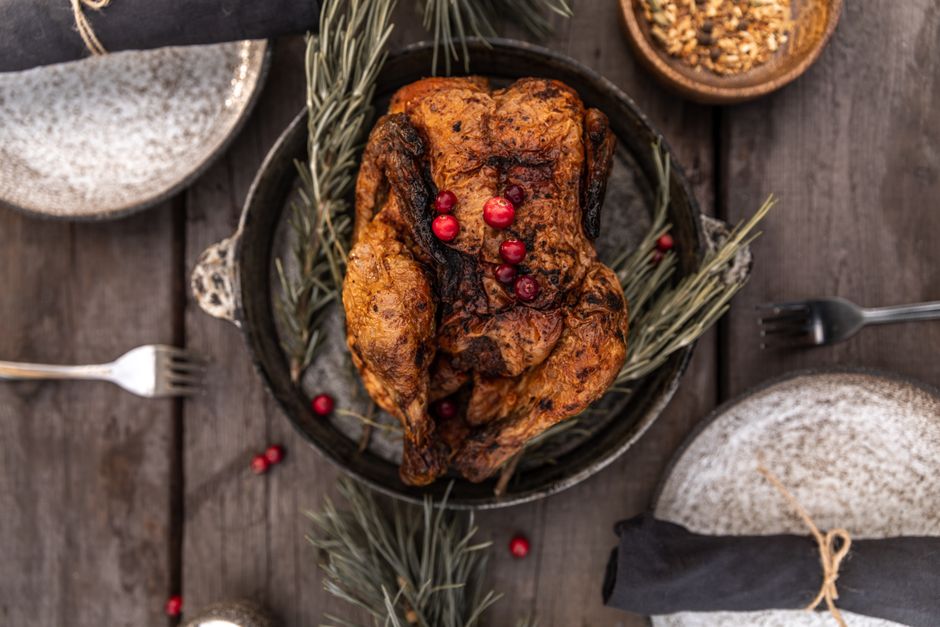
Buy lamb by cooked serving size, not by the number of guests alone. A bone-in leg loses weight from the bone, fat, and cooking moisture. Plan on 300 to 350 g of raw bone-in lamb per adult, or 200 to 250 g of boneless lamb. Add another 100 g per person if you want generous leftovers for sandwiches or shepherd’s pie.
Use this weight and timing table
| Cut and raw weight | High-heat start | Lower-heat cooking | Approximate total time |
|---|---|---|---|
| Bone-in leg, 1.5 kg | 20 minutes at 220°C | 45 to 55 minutes at 180°C | 65 to 75 minutes |
| Bone-in leg, 2 kg | 20 minutes at 220°C | 65 to 75 minutes at 180°C | 85 to 95 minutes |
| Bone-in leg, 2.5 kg | 20 minutes at 220°C | 85 to 100 minutes at 180°C | 105 to 120 minutes |
| Boneless leg, 1.5 kg | 20 minutes at 220°C | 55 to 65 minutes at 180°C | 75 to 85 minutes |
Use temperature as the final judge
The table gives you a starting point, not a guarantee. Shape, starting temperature, oven accuracy, and the position of the bone all change the result. Insert a thermometer into the thickest part without touching the bone. For the safest official target, cook whole lamb to 63°C or 145°F and rest it for at least three minutes. A large roast should rest 20 to 30 minutes, which allows the temperature to settle and the juices to spread.
How to prepare the garlic and rosemary rub
Salt does more work than any complicated marinade. It seasons the interior gradually and dries the surface, which helps the lamb brown. For a 2 kg leg, use 18 g of fine salt, 6 garlic cloves, 2 tablespoons of chopped rosemary, 1 tablespoon of olive oil, 1 teaspoon of black pepper, and the finely grated zest of half a lemon.
Make a paste that stays on the meat
- Pat the lamb dry with paper towels. Moisture on the surface delays browning.
- Crush the garlic with the salt until it forms a rough paste.
- Stir in rosemary, pepper, lemon zest, and olive oil.
- Cut 8 to 10 shallow slits across the thickest parts of the leg.
- Push small portions of the paste into the cuts, then spread the rest over the outside.
Salt early, but protect the crust
For the deepest seasoning, rub the lamb 12 to 24 hours before roasting and leave it uncovered in the refrigerator. The cold, dry air firms the surface. Take the lamb out 45 to 60 minutes before cooking so the outer chill decreases. Do not leave it at room temperature for several hours.
Skip a wet overnight marinade. It softens the surface and dilutes the flavor of the lamb. The dry rub gives you a better crust, cleaner rosemary flavor, and less liquid in the roasting pan.
How to roast lamb for a browned crust and tender center
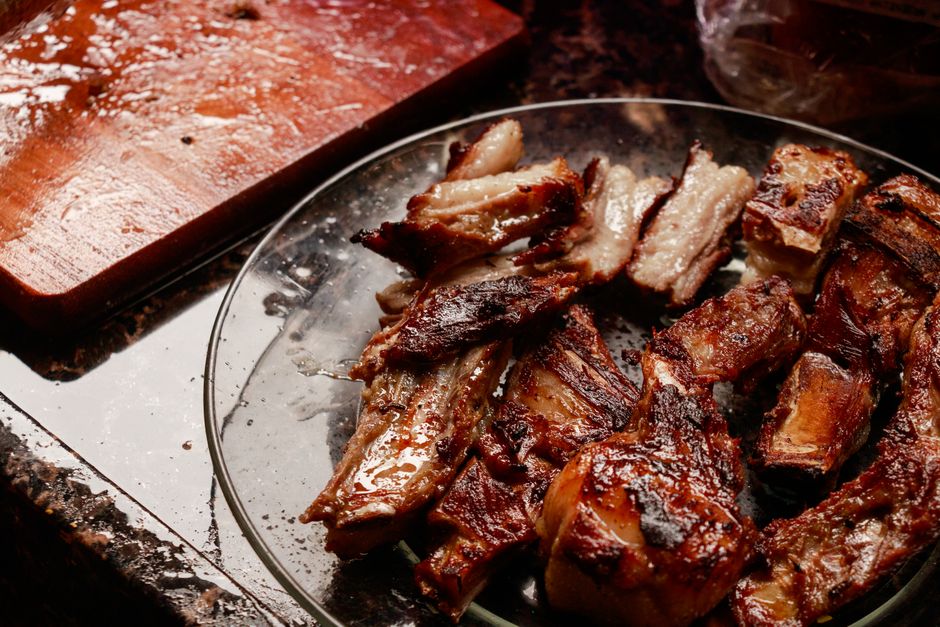
Use a hot start followed by moderate heat. It gives a leg of lamb a more reliable crust than roasting at one temperature from beginning to end. Put the lamb fat-side up in a roasting pan. Add a few tablespoons of water to the pan if the drippings begin to scorch, but do not pour liquid over the meat.
Follow the two-stage oven method
Heat the oven to 220°C or 425°F. Roast the lamb for 20 minutes. Lower the temperature to 180°C or 350°F without opening the door, then continue cooking until the thickest part reaches 63°C or 145°F. Begin checking 15 minutes before the estimated finish time.
A fan oven moves heat more efficiently. Set it to 200°C for the first 20 minutes, then reduce it to 160°C. The lower fan setting prevents the rosemary and garlic from darkening too quickly. If the crust turns brown before the center is ready, cover the top loosely with foil. Do not wrap the whole joint, because trapped steam softens the crust.
Rest the roast before you carve
Move the lamb to a board and cover it loosely with foil. Leave it alone for 20 to 30 minutes. This pause keeps the cutting board from filling with juice and makes the slices easier to control. Carving immediately creates a drier plate, even when the center reached the correct temperature.
What can go wrong with Easter roast lamb?
Why is the lamb dry?
Dry lamb usually comes from overcooking, a small joint left in the oven too long, or carving before the rest. A 1.5 kg boneless leg can finish much earlier than a 2.5 kg bone-in leg. Start checking early and trust the temperature rather than the clock. If the meat has already gone too far, slice it thinly and serve it with pan juices, mint sauce, or a sharp lemon gravy.
Why did the garlic burn?
Large exposed pieces of minced garlic burn quickly at 220°C. Use slices pushed into shallow cuts, or mix minced garlic with oil before spreading it over the lamb. Keep rosemary leaves attached to the paste instead of scattering dry leaves across the pan. Burnt herbs taste bitter and can overpower the roast.
Should you cook lamb straight from the refrigerator?
Do not roast a large leg while it is ice-cold in the center. Let it sit for 45 to 60 minutes before cooking, but keep it refrigerated until that point. This short tempering period helps the roast cook more evenly without creating a food-safety problem.
How to carve, serve, and use the leftovers
The final verdict is simple: carve the lamb thinly across the grain, serve the crisp outer slices first, and save the thicker center pieces for guests who prefer a softer pink color. A sharp knife matters more than decorative carving. Find the direction of the muscle fibers, then cut across them in slices about 5 mm thick.
Build the plate around the roast
Serve the lamb with roasted potatoes, spring greens, peas, and a sauce with enough acidity to balance the fat. A quick pan sauce needs the strained roasting juices, 250 ml of stock, and 1 teaspoon of redcurrant jelly or lemon juice. Simmer until slightly reduced, then taste for salt. Mint sauce works best when it stays bright and sharp rather than sugary.
Store leftovers safely
Cool leftover lamb quickly, place it in a shallow covered container, and refrigerate it within two hours. Eat it within three to four days, or freeze it in portions for up to three months. Reheat slices with a spoonful of stock under foil so they do not dry out. Cold lamb also works well in flatbreads with yogurt, cucumber, and pickled onions.
That combination gives the roast a second life without pretending it is still a formal centerpiece. The original meal gets its crust and rosemary aroma; the leftovers get moisture, acidity, and a fresh texture.