 Kellie Roberts
 The strongest recommendation is simple: make classic British pancakes with plain flour, eggs, milk, and a short rest, then serve them with lemon juice and caster sugar. The result should be thin, flexible, lightly browned at the edges, and soft enough to fold without cracking. This method works for a Pancake Day crowd because the batter is inexpensive, the cooking time is short, and the toppings can be changed at the table.
What makes a British pancake different?
Thin batter, not a fluffy breakfast cake
A classic British pancake is closer to a French crêpe than to a thick American breakfast pancake. It contains no baking powder, so it does not rise into a tall, spongy cake. The batter spreads across the pan in a thin layer, giving each pancake a tender centre and browned, lacy edges. The main job of the flour is to provide structure. Eggs add richness and help the pancake hold together, while milk gives the batter enough fluidity to spread.
The four-ingredient ratio
A dependable starting ratio is 125g plain flour, two large eggs, 300ml milk, 100ml water, a pinch of salt, and 25g melted butter. The water matters. Milk alone can make the batter heavy, while a little water produces a lighter finish. This ratio makes roughly eight to ten pancakes in a 20cm pan, depending on how much batter you pour each time.
Why Pancake Day suits this recipe
Pancake Day, also called Shrove Tuesday, is built around using simple store-cupboard ingredients before Lent. In 2026, it falls on 17 February. The traditional lemon-and-sugar topping still earns its place because the sharp citrus cuts through the buttery pancake and the sugar adds a quick crunch. No complicated filling is required.
Verdict: For a traditional Pancake Day table, thin British pancakes are the best choice because one neutral batter supports both sweet toppings and savoury fillings.
Which ingredients give the most reliable batter?
Choose plain flour and large eggs
Use plain flour rather than self-raising flour. Self-raising flour can add unwanted lift and make the pancakes thicker. A standard 125g measure is enough for the base recipe. Large eggs provide the right amount of liquid and protein for a batter that sets quickly in the pan. If your eggs are small, add one extra tablespoon of milk after mixing.
Use a milk-and-water blend
Combine 300ml whole or semi-skimmed milk with 100ml water. Whole milk gives a slightly richer flavour, but semi-skimmed milk produces a lighter pancake and works well for a large batch. The mixture should pour like single cream. If it resembles custard, add water one tablespoon at a time. If it looks almost transparent and watery, whisk in one tablespoon of flour.
Butter improves flavour, oil improves control
Melt 25g butter into the batter after the flour, eggs, and liquid have been whisked smooth. This reduces the amount of butter needed in the pan. For cooking, use a neutral oil such as sunflower oil or a small amount of melted butter. Butter tastes better but can burn when the pan becomes very hot. A teaspoon of oil spread with kitchen paper gives better heat control.
| Ingredient | Amount | Purpose |
|---|---|---|
| Plain flour | 125g | Provides structure without adding rise |
| Large eggs | 2 | Sets the pancake and adds richness |
| Milk | 300ml | Creates a creamy batter |
| Water | 100ml | Keeps the pancakes light |
| Melted butter | 25g | Adds flavour and tenderness |
Verdict: Plain flour, large eggs, and a milk-water blend produce the safest texture. The exact dairy brand matters less than the liquid ratio and batter consistency.
How should you cook British pancakes on Pancake Day?
Follow this seven-step method
- Put 125g plain flour and a pinch of salt in a large bowl. Make a well in the centre.
- Crack in two large eggs. Whisk while gradually adding about 100ml of the milk.
- Add the remaining 200ml milk and 100ml water in a steady stream. Stop when the batter is smooth.
- Whisk in 25g melted butter. Rest the batter for at least 20 minutes and up to two hours in the refrigerator.
- Heat a 20cm non-stick frying pan over medium-high heat. Add a few drops of oil and wipe the surface with kitchen paper.
- Pour in approximately 45ml batter, then tilt the pan immediately so the batter reaches the edges.
- Cook for 45 to 60 seconds, flip when the top looks set and the edge lifts, then cook the second side for 20 to 30 seconds.
Control the heat by watching the edges
The first pancake is a test, not a failure. If the underside is pale after one minute, raise the heat slightly. If the edge turns dark before the centre sets, reduce the heat. A properly heated pan gives a quick sizzle when batter touches it, but the butter or oil should not smoke. Stack cooked pancakes on a plate and cover them with a clean tea towel. They stay flexible for about 20 minutes.
Know when to flip
Do not flip because a timer says so. Flip when the surface has lost its wet shine, small bubbles appear near the edge, and the rim releases from the pan. Slide a thin spatula underneath in one movement. Pancakes that tear usually need another 10 seconds before flipping or contain too little flour.
Verdict: Medium-high heat, a 20cm pan, and a 45ml ladle of batter give the best balance of speed and control for a family batch.
Which easy toppings are worth making?
The traditional lemon-and-sugar topping wins
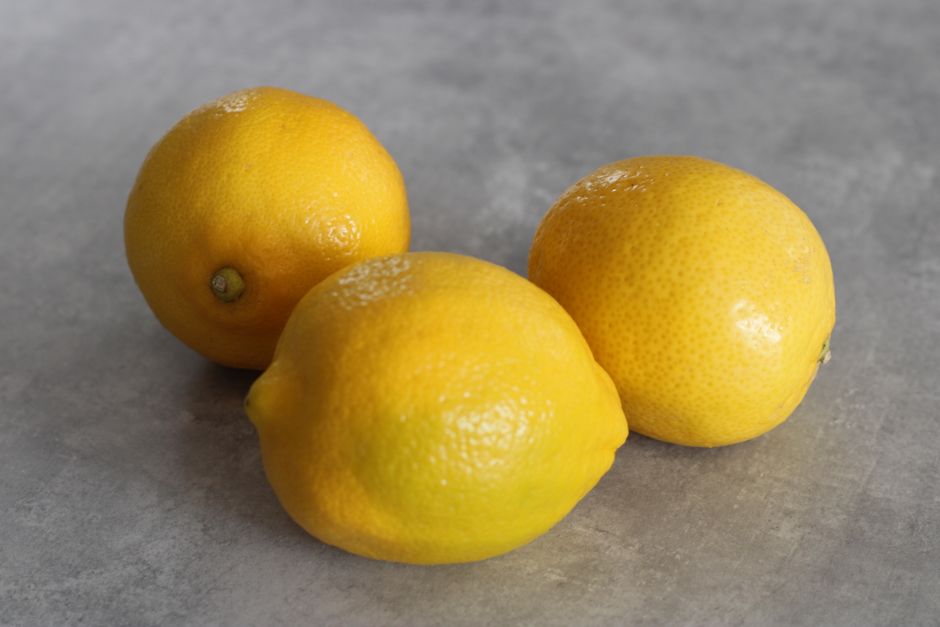
For the classic version, squeeze one to two teaspoons of lemon juice over a hot pancake and scatter over one to two teaspoons of caster sugar. Tate & Lyle Caster Sugar is a familiar supermarket option, but any fine caster sugar dissolves quickly. Add the topping while the pancake is still warm. The heat softens the sugar and spreads the lemon flavour through each fold.
Use chocolate and fruit with restraint
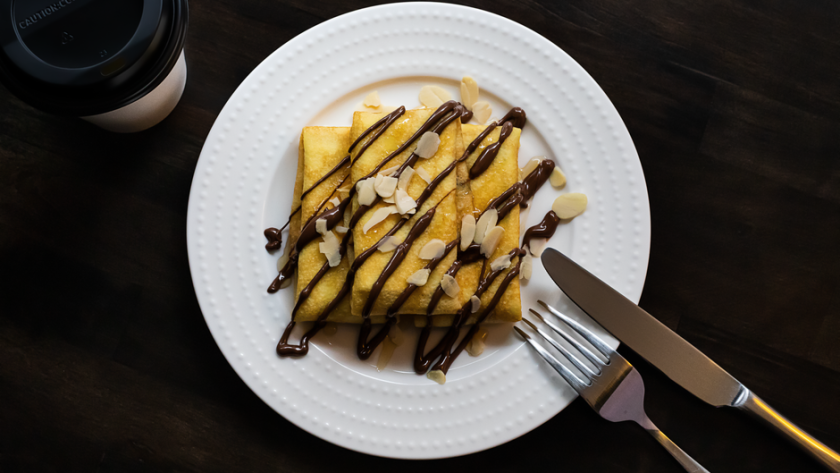
For children or guests who dislike citrus, spread one tablespoon of Nutella over the pancake and add sliced banana. The chocolate hazelnut spread melts quickly, so use a thin layer rather than a thick scoop that makes the pancake difficult to fold. Bonne Maman Lemon Curd gives a stronger citrus filling than fresh lemon juice and works well with Greek yoghurt or raspberries.
Compare toppings by texture
| Topping | Amount per pancake | Best feature | Main risk |
|---|---|---|---|
| Lemon and caster sugar | 1 tsp juice, 1–2 tsp sugar | Sharp, traditional, fast | Too much lemon can make the pancake soggy |
| Nutella and banana | 1 tbsp spread, 5 banana slices | Rich and child-friendly | Heavy if overfilled |
| Lemon curd and yoghurt | 1 tbsp curd, 2 tbsp yoghurt | Creamy with clear citrus flavour | Needs serving straight away |
| Stewed apple and cinnamon | 3 tbsp apple, pinch of cinnamon | Warm and less sugary | Wet filling can split the pancake |
Verdict: Lemon and sugar remains the best topping for a traditional Pancake Day. Choose Nutella and banana for children, or apple and cinnamon when you want a warmer, less sharp dessert.
What goes wrong, and how can you fix it?
Thin pancakes tear in the pan
Tearing usually has one of three causes: the batter is too thin, the pancake is flipped too early, or the pan surface is damaged. Let the batter rest first, then cook a small test pancake. If it still breaks, whisk one tablespoon of flour with two tablespoons of batter in a separate cup, then mix that paste back into the bowl. This avoids flour lumps.
Thick pancakes stay raw in the middle
Thick centres come from using too much batter or a pan that is too small for the quantity poured. A 20cm pan needs about 45ml batter. If the pancake looks thick before you flip it, reduce the next portion. Do not solve a raw centre by turning up the heat. The outside will burn while the middle remains wet. Spread the batter faster and lower the heat slightly.
Common mistakes to avoid
- Do not skip the resting period when time allows. Resting hydrates the flour and makes the batter easier to spread.
- Do not oil the pan heavily. A greasy surface makes the batter slide instead of forming an even layer.
- Do not stack pancakes uncovered for a long time. Steam can make the edges damp.
- Do not add sugar to the batter for a traditional batch. It encourages sticking and browning before the pancake cooks through.
- Do not pour cold batter into a smoking-hot pan. The edges set too quickly and leave a thick centre.
Verdict: Most failures come from batter thickness and heat control, not from a missing specialist ingredient. Fix those two variables before changing the recipe.