
 Kellie Roberts
 Heat from a sunny walk, a crowded commute, or a busy kitchen can turn a careful morning routine into a sticky mess. The fix is not piling on stronger products; it is using fewer layers, allowing each one to set, and replacing lost protection at the right time.
Why Sweat Breaks Down a Skincare Routine
My strongest recommendation is to treat hot-weather skincare as a protection problem, not a shine problem. Sweat cools the skin, but it also mixes with oil, sunscreen, makeup, dust, and airborne particles. That mixture can move products away from the areas that need coverage most, especially the nose, upper lip, hairline, and cheeks.
Sweat changes the skin surface
When your body gets hot, sweat reaches the surface through eccrine glands. It contains water, salt, and small amounts of other compounds. As it evaporates, it can leave salt behind. Salt stings irritated skin and may make a damaged skin barrier feel tight. Heavy rubbing makes that cycle worse by creating more friction.
Heat also increases oil flow for many people. The result is not always true dehydration. Your skin can look shiny while still feeling dry or uncomfortable. That is why adding a thick cream to control tightness often creates more slip, pilling, and clogged pores.
Why thin layers work better
A hot-day routine works best when every layer has one job. A gentle cleanser removes overnight oil. A light moisturizer reduces tightness. Sunscreen protects against ultraviolet exposure. Adding several hydrating toners, facial oils, rich creams, and primers creates more surfaces for sweat to disturb.
Use a pea-sized amount of moisturizer for the face, then wait about one minute before sunscreen. Give sunscreen 10 to 15 minutes to form an even film before leaving for strong sun. That short pause matters more than adding another serum.
The 60-second reset after sweating
Do not scrub sweat away with a dry towel. Press a clean tissue or soft cloth against the skin, then rinse with cool or lukewarm water when possible. Pat dry. If you will return to the sun, apply sunscreen again to exposed skin after the face has dried.
For people who cook, steam and radiant heat can make the face feel hot even indoors. A cool rinse after a long cooking session helps, but it does not replace sunscreen near windows or during outdoor errands. The simple rule is clear: remove salt and surface grime gently, then restore protection.
The Best Morning Order for Hot Weather Skin
A sweat-proof routine should take about 10 minutes from cleansing to leaving the house. The table below keeps each step measurable and prevents the common mistake of applying a thick moisturizer underneath a high amount of sunscreen.
| Step | Amount | Wait time | Purpose |
|---|---|---|---|
| Gentle cleanse | One short cleanse | Pat dry immediately | Removes overnight oil without stripping the skin |
| Light moisturizer | Pea-sized amount | About 60 seconds | Reduces tightness and dry patches |
| Broad-spectrum sunscreen | Two-finger amount for face and neck | 10 to 15 minutes | Creates the main daytime protection layer |
| Makeup or powder | Thin layer only | After sunscreen sets | Reduces shine without disturbing coverage |
Choose the moisturizer by finish, not marketing
For hot days, a lotion or gel-cream usually behaves better than a balm. Vanicream Daily Facial Moisturizer comes in an 89 ml tube and suits people who want a simple, fragrance-free layer beneath sunscreen. Use less than you think you need. A shiny finish often means the layer is too thick, not that your skin needs a stronger cleanser.
People with very dry skin can apply moisturizer only to the cheeks and around the mouth, leaving the forehead and nose with a thinner layer. That targeted approach is more reliable than coating the whole face in a rich cream.
Pick sunscreen for real use
For dry or normal skin, Beauty of Joseon Relief Sun SPF50+ in a 50 ml tube gives a comfortable cream texture and works well when the face needs more softness. For acne-prone or combination skin, EltaMD UV Clear SPF46 in a 48 g tube is the better starting point because its lighter lotion texture usually feels less heavy under heat.
For intense outdoor exposure, La Roche-Posay Anthelios UVMune 400 Invisible Fluid SPF50+ in a 50 ml bottle is my pick for a thin, high-protection finish. Its fluid texture spreads quickly, but it still needs careful application around the hairline and ears. None of these formulas becomes sweatproof simply because the label feels light. Heavy sweating still calls for reapplication.
Where primer fits
Primer is optional. Apply it only after sunscreen has set and only where makeup tends to slide. A silicone-heavy primer over wet sunscreen can cause pilling. If that happens, remove the primer first instead of rubbing the entire routine off. Most people get a better result from less moisturizer and a full sunscreen layer than from adding a separate mattifying product.
How to Reapply Sunscreen Without a Greasy Mess
Reapplication is the step most routines skip, yet it matters most after sweat, towel drying, swimming, or long outdoor work. Use this sequence rather than adding a fresh layer over visible salt and oil.
- Blot first. Press tissue or a clean cloth onto the forehead, nose, and upper lip. Do not drag it across the face. Blotting removes excess moisture without taking away as much of the existing sunscreen film.
- Rinse when the surface feels salty. If you have been sweating for more than 30 minutes, a quick rinse is better than layering new sunscreen over dried salt. Pat the skin dry with a clean towel.
- Reapply to the exposed zones. Use a generous, even amount across the face, ears, neck, and hairline. The two-finger method gives a useful target for face and neck, but divide the amount into two thin passes if one thick layer feels uncomfortable.
- Wait before adding makeup. Give the new layer 10 to 15 minutes to settle. Press powder onto oily areas instead of sweeping a brush back and forth over fresh sunscreen.
- Use the clock as a guide, not a shield. Reapply about every two hours during continued outdoor exposure, and sooner after heavy sweating, swimming, or towel drying. Indoor time away from windows does not need the same schedule.
How to reapply during a cooking shift
Kitchen heat can make you sweat without giving you a full day of outdoor ultraviolet exposure. Wash your hands, blot the face, and assess the setting. If you will walk outside, sit near a sunny window, or drive home in strong sun, apply sunscreen again. If you stayed indoors away from direct light, a full midday cleanse may create more irritation than benefit.
Why powder and spray shortcuts fail
Powder sunscreen rarely supplies a clear, even amount across the whole face. A spray can miss the cheeks, ears, and hairline, especially indoors where you cannot see the film well. These formats can help with touch-ups, but they should not replace a measured lotion or fluid as the main layer.
The no-rubbing rule
Rubbing is the fastest way to create patchy coverage and redness. Work in two thin sections: left face and right face, then neck and ears. Press and spread gently until the surface looks even. If the product pills, wait longer between layers next time or reduce the amount of moisturizer underneath.
What to Do When Your Skin Stings, Shines, or Breaks Out
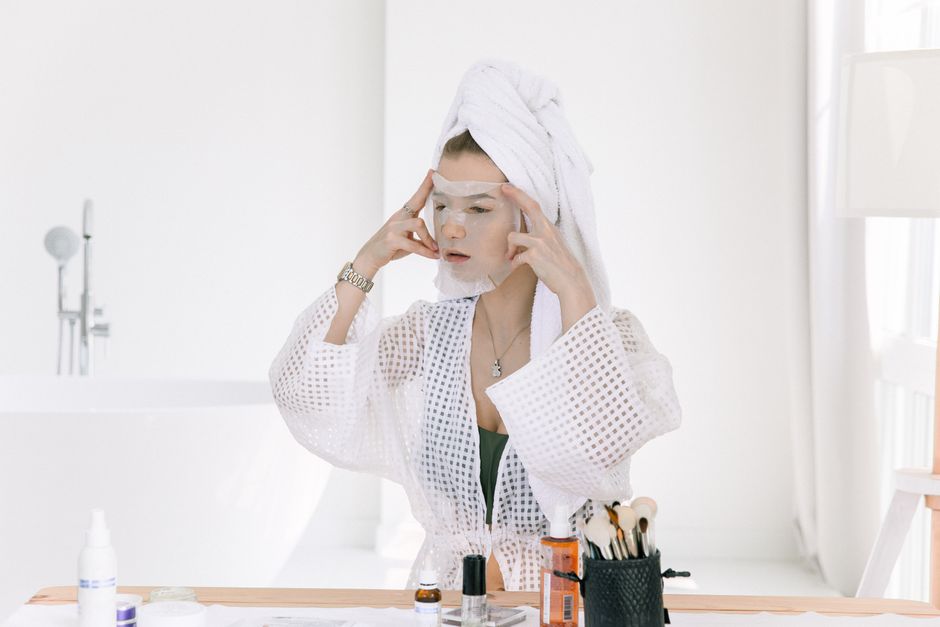
Hot-weather irritation usually comes from friction, salt, too many layers, or a product that does not suit the current climate. Changing everything at once makes the cause harder to find.
Why does sunscreen sting after sweating?
Sweat can carry sunscreen into the eyes and over irritated areas around the nose. Rinse with clean water, stop rubbing, and move the product farther from the lash line. If stinging continues after washing, use a bland moisturizer and avoid exfoliating acids, scrubs, and retinoids for a few days. Persistent swelling, hives, or severe burning needs medical attention.
Should you wash your face every time it looks shiny?
No. Shine alone does not mean the skin is dirty. Washing repeatedly can strip surface oils, increase tightness, and make the next sunscreen layer feel worse. Blot once or twice during the day. Cleanse properly at night, or sooner if sweat, dust, and cooking residue have clearly built up.
When do breakouts mean the routine is too heavy?
Look for a pattern over one to two weeks. Small bumps along the hairline may come from sunscreen, hair products, hats, or trapped sweat. Reduce the number of layers, keep hair products away from the forehead, and wash hats and pillowcases regularly. Do not respond by scrubbing harder. If painful spots continue or spread, a dermatologist can help identify acne, folliculitis, or contact irritation.