 Kellie Roberts
 Why does a fresh makeup look turn patchy, shiny, or heavy after one hot afternoon? The problem usually is not the weather alone. Too much skincare, thick layers, and the wrong finish create a soft surface that sweat can break apart quickly.
Why thin makeup layers last longer in heat
Heat changes the way makeup sits
Warm weather raises skin temperature and increases sweat and oil at the surface. Makeup then has more moisture to move through. A thick foundation layer can separate, crease, or slide because it forms one heavy film over the skin. Thin layers hold up better because each layer has less weight and less product to disturb.
Coverage should follow the problem
Start by asking what you actually need to cover. Redness around the nose may need a small amount of concealer. A few blemishes may need two precise dots. Covering the entire face with full coverage foundation creates extra product in places that already look even. The best summer base often uses sheer coverage across the cheeks, targeted concealer, and a little powder only where shine appears. This thermal layering approach keeps skin looking like skin while reducing the amount of makeup that can melt. For a casual lunch, a patio dinner, or a long commute, breathable makeup wins because it manages moisture instead of trying to seal the face under a mask.
How to prep skin without making makeup slide

Use less skincare before makeup
Summer prep should leave the skin comfortable, not wet. Cleanse gently, apply a thin layer of moisturizer where the skin feels dry, and let it settle. If the moisturizer still feels slippery after two minutes, you used too much. Heavy creams and facial oils can make foundation move faster across the forehead, nose, and upper lip.
Give sunscreen time to set
Apply broad-spectrum sunscreen as the final skincare step, then wait at least 10 minutes before makeup. This pause gives the sunscreen film time to settle and lowers the chance of pilling. Do not rub foundation aggressively over it. Press the base on with a damp sponge or use short, light strokes with a synthetic brush.
Blotting before makeup also helps. Press a clean tissue over the T-zone without wiping. The goal is a smooth, lightly hydrated surface. A primer is optional, not automatic. Use one only where you need it, such as around enlarged pores or on an oily forehead. The 60-second pause between layers matters more than adding another product. If makeup pills during this stage, stop and remove the rolled-up bits before continuing. More foundation will not hide the texture.
Which base survives warm weather best?
For most people, a light skin tint beats a full-coverage foundation in heat. It uses less pigment, feels lighter, and fades more naturally. Here is the practical comparison.
| Base | Size | Coverage | Best use |
|---|---|---|---|
| Maybelline Super Stay Skin Tint with Vitamin C | 1 fl oz | Light to medium | Long days and humid commutes |
| e.l.f. Halo Glow Liquid Filter | 1.06 fl oz | Sheer glow | Dry skin and low-coverage looks |
| Traditional full-coverage foundation | 0.8–1 fl oz | Medium to full | Events that need stronger coverage |
Pick the Maybelline skin tint for durability
The Maybelline Super Stay Skin Tint is the strongest all-purpose choice here. It offers light-to-medium coverage, comes in 18 shades, and has a 1 fl oz bottle. Its advertised wear time is up to 24 hours, but real results depend on sweat, sunscreen, and skin type. Apply one thin layer, then add a second layer only around the center of the face. That gives a natural finish without wasting product.
Skip glow boosters on very oily skin
e.l.f. Halo Glow Liquid Filter is better for dry or normal skin than for a very oily afternoon. It adds luminous coverage, but extra shine can look greasy once sweat appears. For oily skin, use it only on the high points of the cheeks and choose a more controlled base through the T-zone. My verdict: Maybelline wins for warm-weather staying power; e.l.f. wins for a soft glow on drier skin.
How to apply summer color without cakiness
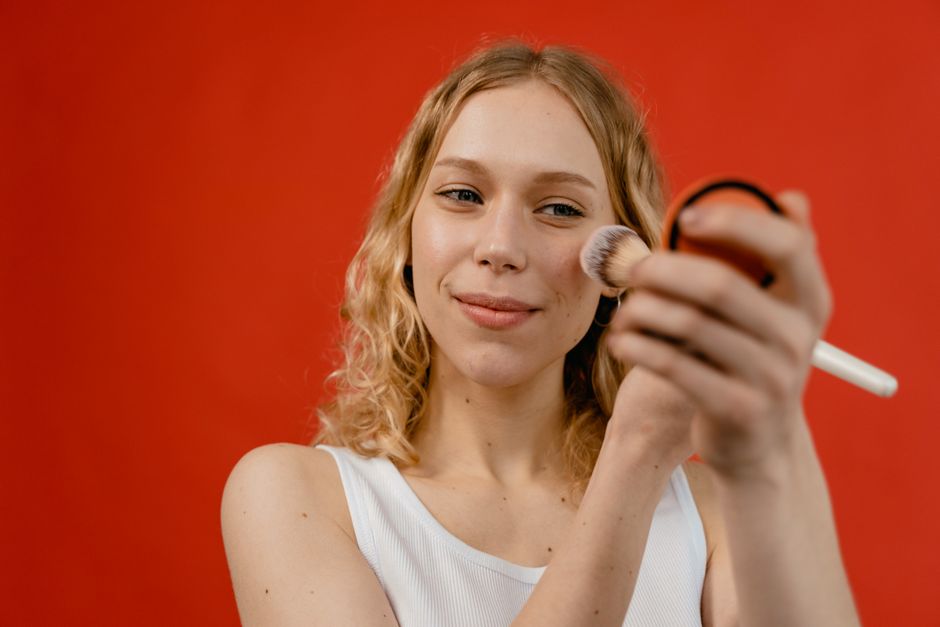
Use cream color first, then secure it with a small amount of powder. This keeps the face fresh while giving blush and bronzer something to hold onto.
- Apply skin tint in a thin layer from the center of the face outward.
- Wait one minute, then press a small amount of concealer onto discoloration rather than spreading it everywhere.
- Tap Rare Beauty Soft Pinch Liquid Blush onto the back of your hand before placing it on the cheeks. The 0.25 fl oz bottle contains highly pigmented blush, so start with half a dot per cheek.
- Blend cream bronzer near the hairline and under the cheekbones, keeping the center of the face lighter.
- Press translucent powder onto the sides of the nose, chin, and forehead. Leave the tops of the cheeks less powdered.
Why cream-to-powder placement works
The cream-to-powder sequence gives color grip without burying the skin under several thick powder layers. It also makes touch-ups easier. If blush fades, you can add a tiny amount of liquid color instead of rubbing more powder over a patch.
When powder blush is the better choice
Choose powder blush instead of liquid blush if your skin becomes very oily or you spend hours outdoors. Powder has a drier finish and usually needs fewer touch-ups. Rare Beauty is the better pick for a bright, minimal look; a pressed powder blush is the safer pick for oil control.
What is the best setting strategy for sweat and shine?
My opinion: use powder strategically, then setting spray only at the end. A mist cannot rescue a thick, wet base that never set. Press a small amount of loose powder over the areas that break down first, wait 30 seconds, then remove excess with a clean brush.
Use primer only in high-friction areas
Milk Makeup Hydro Grip Primer works best as a targeted product. Apply a thin amount around the nose, inner cheeks, and forehead if makeup normally slides there. Do not cover the whole face with a thick layer. That can create pilling under sunscreen and skin tint.
Choose a spray for the finish you want
Urban Decay All Nighter Setting Spray is the better choice when you need a more secure event-ready finish. Hold it roughly 8 to 10 inches from the face and use three to four sprays. Let it dry without touching the skin. For everyday makeup, powder alone often feels lighter. For a wedding, outdoor concert, or long dinner, the primer-plus-spray combination earns its place. The failure mode to avoid is adding spray every hour. Blot sweat first, then touch up only the areas that need it.
Why does summer makeup break apart?
Why does foundation separate around the nose?
Usually, the skin has too much skincare or oil in that area. Blot gently, remove the loose makeup with a cotton swab, and press on a pin-sized amount of concealer. Adding another full layer will make the patch thicker and easier to see. A controlled reset works better than a full repaint.
Why does blush disappear after lunch?
Sweat, sunscreen, and touching the face can remove cheek color quickly. Place cream blush slightly higher on the cheek, then set the edges with a small brush and a matching powder blush. Avoid rubbing with a tissue. Press instead.
When should you skip lightweight makeup?
Do not choose a sheer skin tint if you need strong coverage for a formal event, active acne, or visible discoloration that makes you uncomfortable. Use a long-wear foundation only on those areas, then keep the rest of the face light. Also skip dewy products if you dislike visible shine. A soft-matte base will suit you better than forcing a glossy finish that needs constant blotting.
The biggest mistake is buying a product because its wear claim sounds impressive. A 24-hour claim does not mean the finish will remain unchanged through sweat, sunscreen, face touching, and outdoor heat.
What is the fastest warm-weather makeup routine?
Build the 10-minute routine
Start with settled sunscreen, then apply Maybelline Super Stay Skin Tint only where you want evening. Add spot concealer, one small dot of Rare Beauty Soft Pinch Liquid Blush, brow gel, waterproof mascara, and tinted lip balm. Powder the T-zone and mist once. This 10-minute routine gives enough structure for work, errands, and casual dinners without creating a heavy layer that collapses by midday.
Pack the right touch-up tools
Carry tissues, a small pressed powder, and a cotton swab. Blot first. Powder second. Add color only if it has actually faded. Do not carry a full foundation bottle unless you are attending a long event where complete coverage matters.
For lightweight summer makeup that lasts in warm weather, use less skincare, apply thin targeted layers, and powder only the places where sweat breaks the look first.