
 Kellie Roberts
 Your hair looked fine after yesterday’s wash. This morning, it feels rough, snaps around the ends, and clings to your sweater with static. The common mistake is blaming cold air alone or assuming every rich hair mask should stay on while you sleep. Winter damage usually comes from dry indoor heat, low humidity, hot showers, wool friction, and repeated brushing. A rinse-out mask made for 5 or 10 minutes may leave hair greasy, limp, or irritated if you keep it on for eight hours.
Why Winter Hair Feels Damaged Overnight
Dry air changes the hair surface
Hair is a fiber with a protective outer cuticle. Cold outdoor air and heated indoor air both contain less moisture than your hair needs. As water leaves the fiber, the cuticle feels rougher and catches on scarves, pillowcases, and coat collars. That friction lifts more cuticle edges, which makes the hair look dull and creates more tangles. Static adds another problem: dry strands repel each other, so you pull harder when you brush them apart.
Winter also encourages long, hot showers. Heat softens the hair surface and can wash away more of the scalp’s natural oil. Shampooing too often then leaves the mid-lengths and ends with less slip. The damage is mechanical and cumulative, not a single event caused by one cold day.
What an overnight treatment can repair
A good treatment can add water, fatty ingredients, and conditioning agents to improve slip, softness, and shine. It cannot glue a split end back together or reverse severe chemical damage. The useful goal is smaller: reduce friction before bed, limit tangling, and make the next wash easier.
The best winter routine protects the hair fiber before it breaks. That means gentle drying, less heat, a smooth sleep surface, and a treatment matched to how porous and thick your hair feels.
How to Prep Hair Before Bed Without Making Damage Worse

Use this five-minute preparation sequence
- Start with mostly dry hair. If you wash at night, squeeze out water with a microfiber towel or cotton T-shirt. Do not twist wet hair into a tight bun.
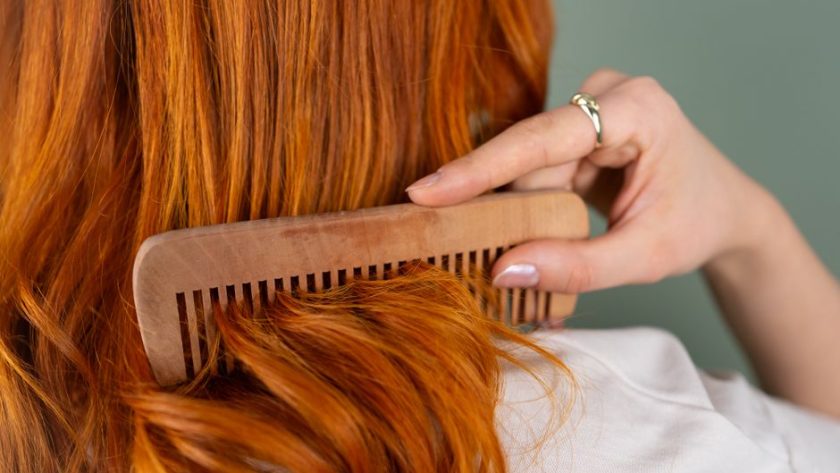
- Detangle from the ends upward. Use a wide-tooth comb and hold the section above the knot so your scalp does not absorb the pulling force.
- Apply treatment only where hair needs it. Begin two inches below the roots. Fine hair usually needs a pea-sized amount for each side; thick, waist-length hair may need a quarter-sized amount per side.
- Seal the ends lightly. A small amount of leave-in cream or oil on the last two inches reduces pillow friction. More is not better. A heavy coating can make the next wash difficult.
- Keep the hair loose. Use a soft scrunchie in a low braid or a loose pineapple for curls. Avoid rubber bands, tight elastics, and wet topknots.
Three mistakes that cause morning breakage
- Sleeping with soaking-wet hair. Wet fibers stretch more easily, and the pillow creates repeated rubbing.
- Putting a rich mask on the scalp. This can leave fine roots flat and may worsen itch or buildup.
- Adding heat after applying a treatment. A hot dryer can increase dryness even when the hair feels temporarily soft.
Use a smooth satin or silk pillowcase if you can. It will not repair damage, but it lowers the friction that creates knots. Wash the case often because oil, styling residue, and skin products collect on the fabric.
Can You Sleep in Any Hair Mask?
Is a rinse-out mask safe for eight hours?
No. A rinse-out mask designed for 5 to 10 minutes should not stay on all night unless the label specifically approves overnight use. Its formula may contain heavy oils, proteins, fragrance, or conditioning agents that work well briefly but create stiffness, residue, scalp discomfort, or flat roots after prolonged contact.
What should you choose for true overnight use?
Choose a leave-in serum or treatment that clearly says it can remain on the hair while you sleep, then apply a small amount to dry or towel-dried mid-lengths and ends. For sensitive scalps, keep the product away from the skin, patch-test a new formula, and stop if itching, burning, redness, or unusual shedding appears.
Which Overnight Treatments Fit Dry Winter Hair?
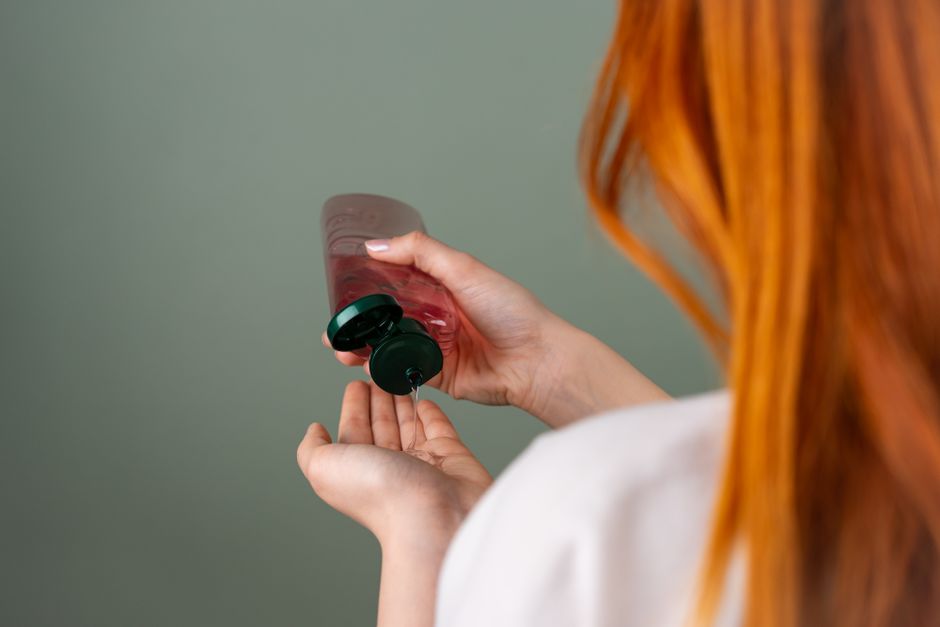
The clear winner for actual sleep-in use is a product designed as an overnight leave-in, not a shower mask stretched beyond its instructions. The three rinse-out masks below are useful winter treatments, but use them before bed only if you plan to rinse them out.
Best match by hair type
| Product | Size | Best match | Overnight verdict |
|---|---|---|---|
| Kérastase Nutritive 8H Magic Night Hair Serum | 90 ml | Fine to medium dry, frizzy hair | Best true sleep-in option; leave-in serum |
| Amika Soulfood Nourishing Mask | 8 oz / 250 ml | Medium to thick dry hair | Rinse after about 5 to 10 minutes; do not sleep in it |
| Briogeo Don’t Despair, Repair! Deep Conditioning Mask | 8 oz | Dry, brittle, heat- or color-damaged hair | Rinse after 10 minutes; better for a weekly wash day |
| Moroccanoil Intense Hydrating Mask | 8.5 fl oz | Coarse, dry, tangled hair | Use for 5 to 7 minutes, then rinse thoroughly |
My specific picks
For fine hair that looks oily or flat by morning, Kérastase 8H is the strongest choice because its 90 ml leave-in format is made for overnight use and does not require a wet wash routine. For thick or coarse hair, Moroccanoil Intense Hydrating Mask gives the richer conditioning effect, but it belongs in the shower. For visible breakage after bleaching or frequent heat styling, Briogeo Don’t Despair, Repair! is the better weekly mask because it combines moisture with strengthening ingredients.
Prices are typical US list prices seen in 2026 and can change by retailer or size. Do not choose a product only because its jar is large. The correct use time matters more than the amount of product in the package.
How to Use an Overnight Treatment and Know It Worked

Use less product than you think you need, and judge the result by manageability rather than shine alone. After washing, your hair should detangle with less pulling, feel flexible when dry, and hold its shape without a waxy coating. If the ends feel stiff, sticky, or unusually coated, reduce the amount by half and use the treatment once a week instead of every night.
Check the result the next morning
Run your fingers from mid-length to ends. Good conditioning gives slip without leaving a greasy film. Brush or comb one small section and compare it with untreated hair. If the treated section snags less and does not shed visible flakes, the routine is helping. If your scalp feels itchy or the roots look oily, move the application farther down or switch to a lighter leave-in.
When not to buy an overnight hair mask
Skip an overnight product if your main problem is scalp irritation, sudden shedding, severe breakage near the roots, or split ends that travel upward. Those problems need a scalp check, a trim, or a change in chemical and heat routines. A mask cannot repair a split end, and adding more product can hide the damage for a day while making buildup worse.
| Your main problem | Best choice | Reason |
|---|---|---|
| Fine, dry, frizzy hair | Kérastase 8H serum | Designed for leave-in overnight use |
| Thick, coarse winter dryness | Moroccanoil mask | Richer conditioning, used before rinsing |
| Bleached or heat-damaged lengths | Briogeo repair mask | Weekly moisture and strengthening support |
| Softness and shine for medium-thick hair | Amika Soulfood mask | Short pre-shampoo or post-shampoo treatment |