 Kellie Roberts
 Halloumi can roast at 220°C without collapsing into a puddle. That unusual quality makes it one of the best cheeses for a fast traybake, but only if you add it at the right time. This version pairs golden halloumi with new potatoes, asparagus, radishes, red onion, lemon, and herbs. The potatoes turn tender, the vegetables keep some bite, and the cheese develops browned edges instead of a rubbery crust.
Why halloumi works in a spring traybake
The cheese solves the texture problem
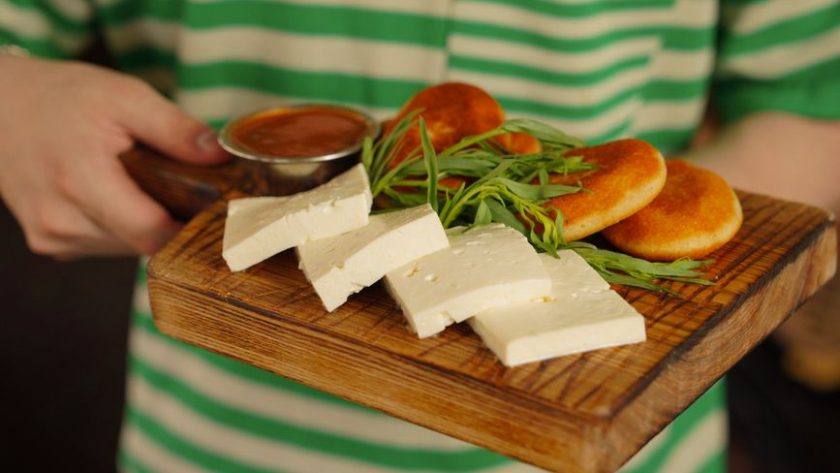
Most soft cheeses melt when they meet high oven heat. Halloumi behaves differently because its firm curd holds together during roasting. The outside browns while the centre stays springy. That gives a vegetable traybake a proper main ingredient rather than a small sprinkle of cheese over roasted produce.
The best texture comes from treating halloumi like a quick-cooking ingredient. Cut it into 2cm cubes or thick fingers, pat it dry, and add it after the vegetables have started cooking. Fifteen minutes at 220°C is enough for colour. Thirty minutes can make the outside tough.
Spring vegetables need different cooking times
New potatoes need the longest cooking time because their centres contain more water and starch. Asparagus, radishes, and peas need much less heat. Putting everything on the tray at once is the fastest way to get burnt asparagus and undercooked potatoes.
Use a large metal roasting tray, ideally around 30 x 40cm. Crowding traps steam. A little space between the potatoes and vegetables gives the oil and heat room to brown their surfaces. For the strongest result, roast the potatoes for 20 minutes first, then add the quick-cooking ingredients.
The flavour needs acid, not more salt
Halloumi already brings a salty, savoury hit. Lemon juice, grated lemon zest, black pepper, and fresh mint make the dish taste lighter without adding extra seasoning. Add the lemon juice after roasting so it stays sharp. A spoonful of plain Greek yogurt on the plate also works well, but the traybake does not need a heavy sauce.
Which spring vegetables roast best with halloumi?
The strongest combination uses one starchy vegetable, one green vegetable, and one crisp vegetable. This gives the finished traybake different textures instead of a pan full of soft pieces. Cut the vegetables to similar sizes within each group, then stagger their cooking times.
| Vegetable | Preparation | When to add | Cooking result |
|---|---|---|---|
| New potatoes | Halve small potatoes | At the start | Crisp edges and tender centres |
| Asparagus | Trim and cut into 5cm pieces | After 20 minutes | Bright, lightly charred spears |
| Radishes | Halve larger radishes | After 20 minutes | Juicy centres with browned faces |
| Spring onions | Cut into 4cm lengths | After 20 minutes | Sweet, softened layers |
| Frozen peas | Use straight from frozen | For the final 5 minutes | Sweet and fresh, not shrivelled |
My best vegetable combination
For a reliable first attempt, use 500g baby new potatoes, 250g asparagus, 200g radishes, one red onion, and 225g to 250g halloumi. The potatoes provide substance, while the asparagus and radishes stop the dish from feeling heavy. Red onion adds sweetness as it roasts.
Vegetables to avoid in the same tray
Courgette and tomatoes release a lot of water. They can still work, but add them late and leave extra space around each piece. Tender spinach should not go into the oven at all. Fold it through the hot traybake after cooking, where it wilts from residual heat instead of turning dry and dark.
How to make the traybake without guesswork
Use a hot oven and keep the ingredient list short. The method below serves three to four people with a green salad or four people as a lighter lunch.
- Heat the oven to 220°C, or 200°C fan. Put a large metal roasting tray inside while the oven heats.
- Halve 500g baby new potatoes. Toss them with 1 tablespoon olive oil, 1 teaspoon dried oregano, black pepper, and a small pinch of salt.
- Carefully tip the potatoes onto the hot tray, cut side down where possible. Roast for 20 minutes.
- Trim 250g asparagus, halve 200g radishes, and cut one red onion into wedges. Toss them with 1 tablespoon olive oil and the zest of half a lemon.
- Pat 225g to 250g halloumi dry. Cut it into thick fingers rather than tiny cubes, which can become chewy.
- Add the vegetables and halloumi to the tray. Keep the pieces in one layer. Roast for 12 to 15 minutes, turning the halloumi once.
- Scatter over chopped mint or parsley. Finish with 1 tablespoon lemon juice and serve immediately.
The timing that matters most
The first 20 minutes belong to the potatoes. The final 12 to 15 minutes belong to the halloumi and delicate vegetables. This split gives each ingredient the heat it needs. If your potatoes are larger than 4cm across, roast them for 25 minutes before adding anything else.
The tray size that prevents steaming
A crowded tray will still cook the food, but it will not brown it well. Spread the ingredients over two trays if the potatoes touch each other. The extra washing-up is worthwhile because airflow is what creates crisp edges.
Which halloumi should you buy?
Choose a plain block of halloumi in the 225g to 250g range. Pre-seasoned or flavoured versions can overpower the vegetables and make salt levels harder to control. The brand matters less than moisture, thickness, and how the cheese behaves in the oven, but these common options give you useful reference points.
| Halloumi | Pack size | Best use | Verdict |
|---|---|---|---|
| DODONI Halloumi | 225g | Firm slices and grill-style cooking | Best all-round choice for browned edges |
| Cypressa Halloumi | 250g | Family-size traybakes | Best when you want generous cheese portions |
| Zorba Halloumi | 250g | Chunky cubes or thick fingers | Best value-style option for a larger pan |
| Aphrodite’s Organic Halloumi | 200g | Smaller traybakes | Best for two people with leftovers kept modest |
What to check on the label
Look for a firm block stored in brine. The package should feel solid rather than soft or crushed. Drain the cheese before cutting, then press it briefly with kitchen paper. Do not soak it in water unless the package tastes unusually salty; soaking can wash out flavour and make the surface harder to brown.
When not to buy halloumi
If you need a low-salt dinner, halloumi is the wrong centrepiece. Use firm tofu, thick slices of paneer, or drained cannellini beans instead. Tofu takes on lemon and herbs more readily, while paneer stays mild and soft. For this traybake, halloumi wins on texture, not on low sodium.
Why does halloumi turn rubbery or the traybake go soggy?
Why is the halloumi chewy?
Overcooking is the usual cause. Halloumi becomes firmer as it loses moisture, so a long roast creates a dense, squeaky bite. Add it for the final 12 to 15 minutes and remove the tray as soon as the edges turn golden. Thick fingers also stay juicier than small cubes.
Why are the vegetables soft instead of crisp?
Most soggy traybakes have too much moisture or too little space. Dry the vegetables after washing, heat the tray first, and keep wet ingredients such as tomatoes and courgettes to a small portion. Two tablespoons of oil are enough for the full recipe. Extra oil cannot replace airflow.
Why is the finished dish too salty?
Salt the potatoes lightly and skip salt on the halloumi. Lemon juice, black pepper, mint, and unsalted yogurt balance the cheese better than more seasoning. If the cheese tastes very salty before cooking, rinse it quickly, pat it completely dry, and use a smaller amount alongside extra potatoes and asparagus.
My verdict: build the traybake around timing
For a fast vegetarian dinner with crisp edges, halloumi is the best choice when you stagger the cooking. Roast the potatoes first, add the spring vegetables and cheese later, then finish with lemon and herbs. That simple order matters more than the brand of cheese or the exact vegetable mix.
The most dependable formula
Use 500g new potatoes, 450g spring vegetables, and 225g to 250g halloumi for three to four servings. Keep the oven at 220°C, leave space on the tray, and give the cheese no more than 15 minutes of direct heat. Serve it straight away while the edges are browned and the middle is still tender.
How to change it next time
Add chickpeas for a more filling meal, swap asparagus for tenderstem broccoli, or stir through peas at the end. A spoonful of pesto works with the potatoes, while mint and lemon keep the dish cleaner and brighter. The wider lesson is useful beyond this recipe: spring vegetables taste best when the oven works with their different cooking speeds, rather than forcing every ingredient through the same one-pot timing.