
 Kellie Roberts
 Wondering how to make elderflower cordial at home without ending up with a bitter, cloudy syrup that spoils in days? The reliable method is simple: pick fresh elderflower heads at the right stage, remove most of the green stems, steep them with lemon and citric acid, then bottle the strained cordial with enough sugar for a smooth finish.
This recipe makes about 2.5 to 3 litres. It produces a bright, floral concentrate for sparkling water, cocktails, desserts, and fruit drinks. The method takes about 30 minutes of hands-on work, plus an overnight steep.
What elderflower cordial needs to taste fresh, not grassy
Pick flowers that are open and fragrant
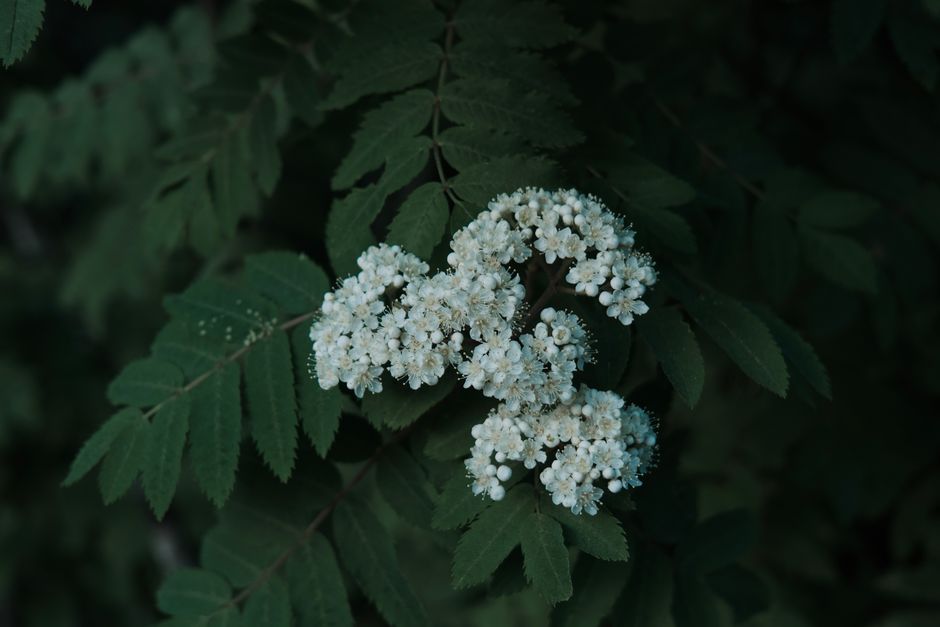
Choose creamy-white elderflower heads when most of the tiny flowers have opened and the scent is strongest. A head that smells sweet and fresh will give you a better cordial than one that looks large but has little aroma. Pick on a dry day after the morning moisture has evaporated. Wet flowers dilute the mixture and can carry more dirt into the bowl.
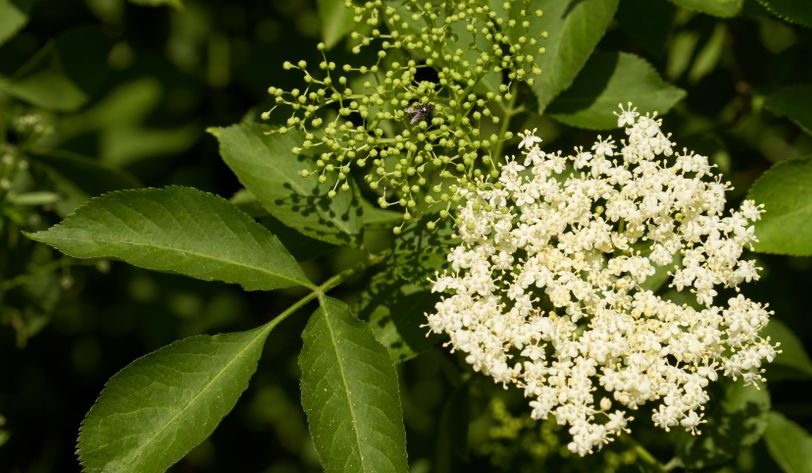
Use only flowers you can identify with confidence. Elderflower is usually found on a woody shrub with flat-topped flower clusters and five-petalled cream flowers. Avoid roadsides, sprayed areas, and places visited heavily by dogs. Never use flowers from a plant you cannot identify.
Use sugar, acid, water, and flowers in balance
The flowers provide aroma, but they do not provide enough acidity or sugar to make a dependable cordial on their own. Lemon brings brightness. Citric acid sharpens the flavor and gives the finished drink a cleaner edge. Sugar carries the floral scent across the palate and helps slow spoilage, but it does not make an improperly handled batch shelf-stable.
The best starting ratio is 20 to 25 large elderflower heads, 1.5 litres of water, 1.5 kilograms of granulated sugar, 2 unwaxed lemons, and 75 grams of food-grade citric acid. This ratio gives a concentrated syrup that works well when diluted with three to five parts cold water.
Why the green stems matter
The flowers themselves taste delicate. The thick green stalks and leaves taste sharper and more vegetal, especially after a long soak. You do not need to remove every tiny stem, but trim away the large central stalks before steeping. That one step makes a bigger difference than adding extra sugar later.
The exact elderflower cordial method, from picking to bottle
Start with clean equipment and a large heatproof bowl or saucepan. Do not rinse the flowers under a strong tap because much of the pollen carries the floral flavor. Instead, shake each head gently outdoors and inspect it for insects. Remove obvious debris by hand.
Ingredients and timing
| Ingredient or step | Amount or timing | Purpose |
|---|---|---|
| Fresh elderflower heads | 20 to 25 large heads | Floral aroma |
| Water | 1.5 litres | Extraction liquid |
| Granulated sugar | 1.5 kilograms | Sweetness, body, and short-term preservation |
| Lemons | 2 unwaxed, thinly sliced | Fresh acidity and citrus flavor |
| Food-grade citric acid | 75 grams | Sharper acidity and better keeping quality |
| Steeping time | 12 to 24 hours in the refrigerator | Extracts flavor without overcooking the flowers |
Cook the syrup, then steep the flowers
- Put the water, sugar, lemon slices, and citric acid into a large saucepan. Heat gently, stirring until the sugar dissolves. Do not boil the flowers.
- Remove the pan from the heat and let the syrup cool for 10 to 15 minutes. It should remain hot but no longer bubble.
- Add the trimmed flower heads. Press them below the liquid with a clean spoon.
- Cover the pan or bowl and refrigerate for 12 to 24 hours. A 16-hour steep gives a strong floral taste without pushing the green notes too far.
- Strain the cordial through a fine sieve lined with clean muslin or a coffee filter. Do not squeeze the flowers hard; pressure can force cloudy plant particles into the syrup.
- Pour the strained cordial into sterilized bottles while it is hot, leaving about 2 centimetres of headspace. Cool, label, and refrigerate.
The practical verdict is clear: gentle heating and a cold overnight steep beat boiling the flowers. Boiling drives off the fragile aroma and can leave the cordial tasting like sweet grass.
How to sterilize, store, and serve the cordial safely
Do not treat homemade cordial as automatically shelf-stable. The recipe contains sugar and acid, but home kitchens vary in cleanliness, flower condition, acidity, and storage temperature. For the safest routine, sterilize the bottles, fill them hot, cool them quickly, and keep them refrigerated. Freeze extra cordial if you will not use it within the recommended fridge period.
Sterilizing bottles without special equipment
Wash bottles and caps in hot, soapy water and rinse well. Place heatproof glass bottles on a tray in an oven set to 120°C for at least 15 minutes, or use a dishwasher cycle that reaches a high temperature. Keep the bottles hot until filling. If using plastic containers, follow the manufacturer’s heat limits and do not pour boiling liquid into them.
Fill the hot bottles with hot cordial using a clean funnel. Wipe the rims before closing. Let the bottles cool at room temperature for no longer than necessary, then refrigerate them. Label each bottle with the date. This small habit prevents guesswork when several batches are in the fridge.
Storage times and warning signs
An unopened, hot-filled bottle kept continuously below 5°C is best used within 2 to 3 weeks. Once opened, use it within 7 to 10 days. Frozen cordial keeps its flavor for about 6 months, although the citrus edge may soften slightly. Freeze it in measured portions so you can thaw only what you need.
Discard the cordial if it develops mold, fizzing that was not present before, a swollen cap, a yeasty smell, or a strange fermented taste. Do not scrape mold from the surface and keep the rest. A contaminated syrup is not worth salvaging.
Serving ratios that actually work
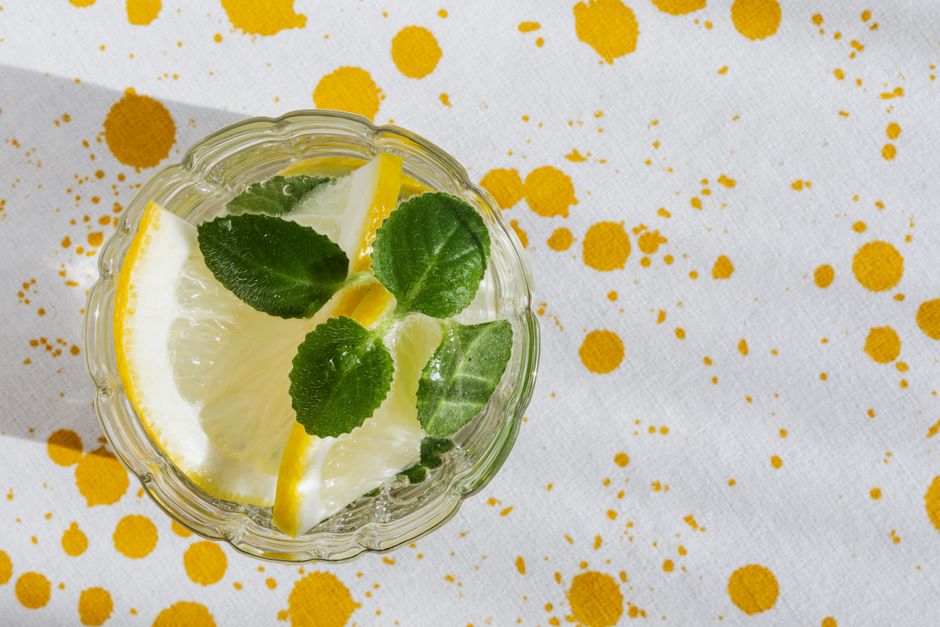
For a refreshing soft drink, mix 1 part cordial with 4 parts chilled sparkling water and plenty of ice. For a stronger mixer, use 1 part cordial to 3 parts water. Add cucumber, mint, or a lemon wheel only after dilution. The extra ingredients are easier to control in the glass than in the storage bottle.
Why elderflower cordial goes wrong, and how to fix the batch
Most failed batches come from three causes: too many stems, excessive heat, or poor storage. The symptoms are easy to read if you check the flavor before bottling.
“My cordial tastes bitter or grassy. What happened?”
Large stalks, leaves, and an overly long steep usually cause bitterness. Strain the cordial immediately if it is still soaking. If it is already finished, dilute a small sample with sparkling water before changing the whole batch. You can add a little extra sugar and lemon to soften harshness, but neither ingredient can remove a strong vegetal taste. For the next batch, trim the central stalks and steep for 12 to 16 hours.
“Why is the cordial cloudy?”
Cloudiness often comes from pollen, tiny plant fragments, or squeezing the flowers during straining. It does not always mean the cordial is unsafe, but it shortens its visual appeal and can add bitterness. Filter the liquid again through clean muslin or a paper filter. Keep the cordial cold while filtering; warm syrup passes through the filter quickly but carries more particles with it.
“Can I make it without citric acid?”
Yes, but the result has a shorter and less predictable fridge life. Replace the citric acid with extra lemon juice, using about 150 to 200 millilitres of strained juice for this batch. The flavor will be softer and more citrus-led. Store it in the refrigerator and freeze any portion you will not drink within a few days. Citric acid is the better choice when you want the classic sharp cordial taste and more consistent acidity.
When should you skip homemade cordial?
Skip the recipe if you cannot identify elderflower confidently, cannot keep the finished syrup chilled, or need a drink that will sit unrefrigerated for weeks. A commercially processed cordial is the safer practical choice in those situations because its acidity, heat treatment, and storage instructions are controlled. Homemade cordial wins on fresh aroma and cost, not on convenience.
Which method is best for your kitchen?
For the strongest fresh-flower flavor, use the cold overnight steep after a brief syrup preparation. It preserves the aroma better than boiling. For the longest practical home storage, use citric acid, sterilized glass bottles, and a freezer for surplus. For a small same-day batch, halve every ingredient and steep in a covered glass jug.
Quick comparison
| Method | Best use | Main advantage | Main drawback |
|---|---|---|---|
| Overnight steep with citric acid | Classic homemade cordial | Bright flavor and better fridge life | Needs trimming, chilling, and sterilized bottles |
| Overnight steep with lemon only | Small batch for quick drinking | Simple ingredients and gentle citrus taste | Shorter, less predictable storage life |
| Boiled flowers | Emergency use only | Fast extraction | Flat aroma and higher risk of grassy flavor |
| Frozen portions | Large seasonal harvest | Reduces waste and extends use to about 6 months | Needs freezer space and thawing time |
For most home cooks, the first method is the clear winner: trim the flowers, dissolve the sugar and acid, steep for about 16 hours, filter gently, and refrigerate. That process gives you the best balance of floral flavor, manageable effort, and sensible storage.