
 Kellie Roberts
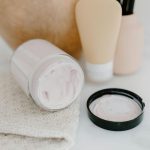
 The sunscreen bottle is smaller than most people think. A face and neck need roughly one-quarter teaspoon of sunscreen for the labelled protection, yet many people apply only a few dots. Spring is a good time to change texture, not reduce protection. The winning routine feels lighter, controls shine, and still gives your skin enough moisture to handle wind, pollen, indoor heating, and long days outdoors.
Why spring skin needs a texture change, not less care
The best spring skincare swap removes heaviness while keeping the barrier supported. Cold-weather creams often contain more oils, waxes, and occlusive ingredients. Those ingredients slow water loss, which helps when cold air and heating leave skin tight. By spring, warmer rooms, sweat, humidity, and longer outdoor meals can make the same cream feel greasy or cause makeup to slide.
Moisture and oil are different problems
Dry skin lacks water, oil, or both. Oily skin can still feel dehydrated after cleansing. A thinner lotion can add water and barrier-supporting ingredients without leaving a thick film. Look for humectants such as glycerin or hyaluronic acid, plus ceramides or lightweight emollients. The texture should spread across damp skin in a thin layer. It should not leave a waxy coat after ten minutes.
Use the weather as a guide
Keep a richer cream for cold mornings, irritated patches, or nights after using a strong exfoliant. Use a lotion or gel-cream on warm mornings. If your face feels comfortable after cleansing and does not look shiny by lunchtime, your current moisturiser may still work. A seasonal swap is useful only when the old texture creates a real problem.
For most people, the practical verdict is simple: reduce the amount and weight of moisturiser first, then keep sunscreen generous and consistent.
How to choose a lighter moisturiser without drying your skin
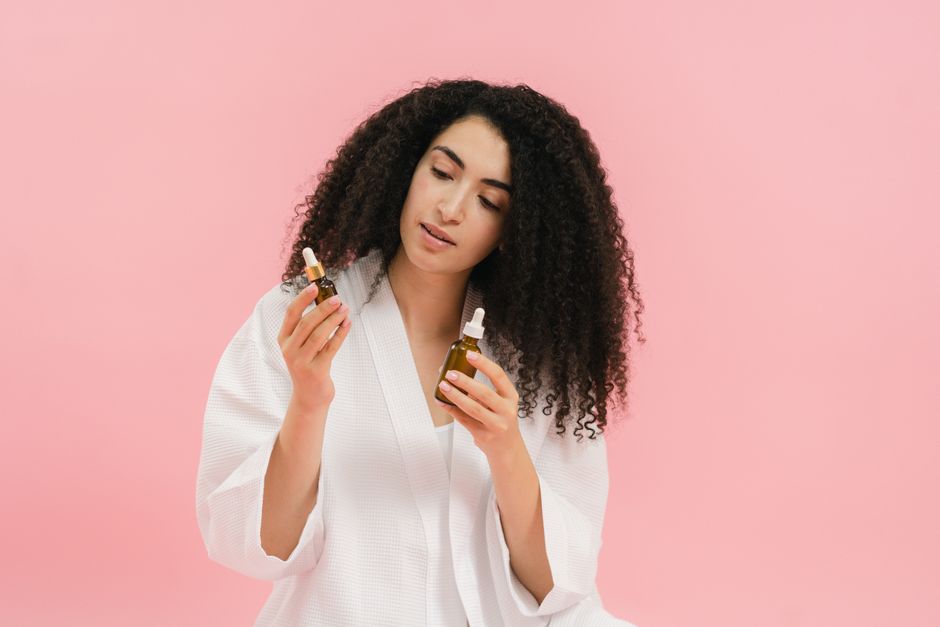
The best lightweight moisturiser is not the one with the thinnest texture. It is the one that leaves skin comfortable until the next cleanse. Start with a small amount, wait five minutes, then check for tightness, shine, and pilling under sunscreen.
Match the finish to your skin
For normal or combination skin, a gel-cream is the easiest spring switch. Neutrogena Hydro Boost Hyaluronic Acid Gel Cream Fragrance Free is a water-light option described by the brand as providing 48-hour hydration. For normal to dry skin, CeraVe PM Facial Moisturising Lotion is the stronger value pick. The 52 ml lotion contains ceramides, hyaluronic acid, and niacinamide.
| Skin situation | Best texture | What to look for | Spring verdict |
|---|---|---|---|
| Oily or shiny by midday | Light gel | Glycerin, humectants, low-oil finish | Choose the thinnest layer that prevents tightness |
| Combination skin | Lotion or gel-cream | Hydration without a heavy occlusive film | Apply more only to the cheeks |
| Dry or sensitive skin | Light lotion | Ceramides, niacinamide, fragrance-free formula | Choose CeraVe PM over a very watery gel |
| Breakout-prone skin | Oil-light lotion | Non-comedogenic label and no strong fragrance | Prioritise comfort over a matte claim |
How much to apply
Use about a pea-sized amount for the face, then add a little more for the neck if needed. Apply it to slightly damp skin after cleansing. If sunscreen pills, reduce the moisturiser rather than rubbing harder. Give the lotion two to five minutes to settle. For a clear recommendation, CeraVe PM is the better choice for dry cheeks and Neutrogena Hydro Boost is the better choice for oily or combination skin that dislikes cream.
How to apply daily SPF so spring protection holds
Apply sunscreen as the final morning skincare step, and use enough to cover the areas exposed to daylight. A thin, comfortable layer is not a successful routine if it delivers far less protection than the label promises. The method below works at home, in a hot kitchen, on a school run, or during an outdoor lunch.
The five-step morning method
- Cleanse gently or rinse with lukewarm water if your skin is not oily overnight.
- Apply a light moisturiser only where your skin feels dry or tight.
- Wait two to five minutes so the moisturiser can settle.
- Measure a two-finger amount of facial sunscreen for the face and neck. Use two thin passes if one large application feels difficult to spread.
- Reapply about every two hours during extended outdoor exposure, and sooner after heavy sweating, swimming, or wiping your face.
Do not judge SPF by the finish
A dewy finish does not mean weak protection, and a matte finish does not mean you applied enough. UVA exposure can occur through ordinary daily routines, including walking to work or sitting near a bright window. Hats, shade, and clothing still matter. Sunscreen is one layer of protection, not permission to stay in direct sun all afternoon.
The best habit is the one you can repeat: generous application in the morning, comfortable texture, and a small tube kept where you will actually use it.
Which daily SPF works best for each spring skin type?

For most people, SPF 50+ is the best spring choice because it leaves more room for imperfect application. The formula still needs to suit your skin, makeup, and outdoor plans. A sunscreen that stings or rolls off will not protect you well if you stop using it.
For dry or normal skin
Beauty of Joseon Relief Sun Rice + Niacinamide SPF50+ PA++++ is the best comfort-first pick. The 50 ml formula is designed to feel like a light moisturiser. It suits people who dislike a dry, tight sunscreen finish. The tradeoff is a dewy look that may feel too rich on very oily skin.
For sensitive skin and strong outdoor exposure
La Roche-Posay Anthelios UVMune 400 Invisible Fluid SPF50+ is the stronger technical pick for sensitive skin and long outdoor days. The 50 ml product is listed at £21 on the UK brand site and is designed for broad UVA and UVB protection. Its fluid texture spreads quickly, but shake it well and give it a moment before dressing or applying makeup. It is the best choice here when high protection matters more than a moisturising finish.
For oily or blemish-prone skin
Eucerin Oil Control Sun Gel-Cream SPF50+ wins for shine control. The 50 ml formula has a dry-touch finish and is marketed for oily, blemish-prone skin, with the brand stating up to 14 hours of oil and shine control in its product information. It is the clearest choice for a warm spring commute or a day spent cooking near a hot stove. Choose Beauty of Joseon instead if your skin flakes or feels tight by midday.
| Product | Size | Best for | Clear verdict |
|---|---|---|---|
| Beauty of Joseon Relief Sun SPF50+ PA++++ | 50 ml | Normal to dry skin | Best moisturising finish |
| La Roche-Posay Anthelios UVMune 400 SPF50+ | 50 ml | Sensitive skin and outdoor exposure | Best high-protection fluid |
| Eucerin Oil Control SPF50+ | 50 ml | Oily or blemish-prone skin | Best matte finish |
Spring skincare swap mistakes that cause pilling and irritation
Most spring routine failures come from changing too much at once. Keep your cleanser and treatment products steady while you test the new moisturiser or sunscreen. That makes it easier to identify the product causing trouble.
Should you replace your moisturiser and sunscreen together?
Only if the current products clearly cause a problem. Changing both at once makes pilling, stinging, or breakouts harder to trace. Test one new product on the jawline or behind the ear for several days, then use it on the full face. A patch test cannot predict every reaction, but it can catch obvious irritation before you commit to a full routine.
What if sunscreen pills under makeup?
Use less moisturiser, wait longer, and press sunscreen into the skin instead of repeatedly rubbing it. Silicone-heavy makeup over a fast-drying sunscreen can also roll. If the same pairing fails after two or three attempts, change the sunscreen rather than adding more primer. More layers rarely solve a texture conflict.
When should you not buy a lighter formula?
- Do not switch to a watery gel if your cheeks are cracked, peeling, or stinging.
- Do not buy a fragranced sunscreen just because it feels elegant if fragrance causes redness.
- Do not choose a matte SPF when you already struggle with flaking.
- Do not rely on a moisturiser with SPF alone for long outdoor exposure unless you apply enough and reapply it.
The clear recommendation is to make the smallest useful change: move from a heavy cream to a light lotion where your skin allows it, keep a richer product for dry patches, and choose one SPF 50+ formula you will apply generously every morning.