 Kellie Roberts
 Cold air, indoor heat, frequent handwashing, and long cooking sessions create a rough combination for skin. A useful winter routine does not need ten products; it needs the right barrier, the right timing, and a clear response when cracking becomes more than ordinary dryness.
Why cold weather dries lips and hands so quickly
Cold air removes moisture from the skin barrier
Winter dryness starts with a simple physical problem: cold air holds less water than warm air. Heated indoor air lowers humidity again, so moisture leaves the outer skin layer faster. Wind adds friction and strips away some of the natural oils that help keep water inside the skin.
Lips have an even weaker defense. They contain fewer oil glands than most facial skin, which means they cannot replace lost oils as efficiently. Hands face a different threat. Soap, hot water, dish detergent, and repeated towel drying remove surface oils many times each day. The result is tightness first, then rough patches, stinging, flaking, and painful splits around the knuckles or fingertips.
Cooking adds a second layer of exposure
Food and cooking readers often wash their hands far more frequently than other people. That hygiene habit matters, but very hot water and harsh degreasers can damage the barrier faster than cold weather alone. Citrus juice, vinegar, chili oils, salt, and raw ingredients can sting already cracked skin.
The practical verdict is clear: protect the barrier before it breaks. Apply a plain moisturizer after washing, dry by pressing rather than rubbing, and cover hands outdoors. For lips, use a bland protective layer before a walk, a grocery trip, or a long shift in a cold kitchen.
Build a winter care routine around handwashing
The three-minute routine after cooking
- Rinse soap away with lukewarm water. Water that feels hot may feel satisfying, but it removes more protective oil.
- Pat hands dry, leaving a trace of moisture on the skin. Do not scrub knuckles with a rough towel.
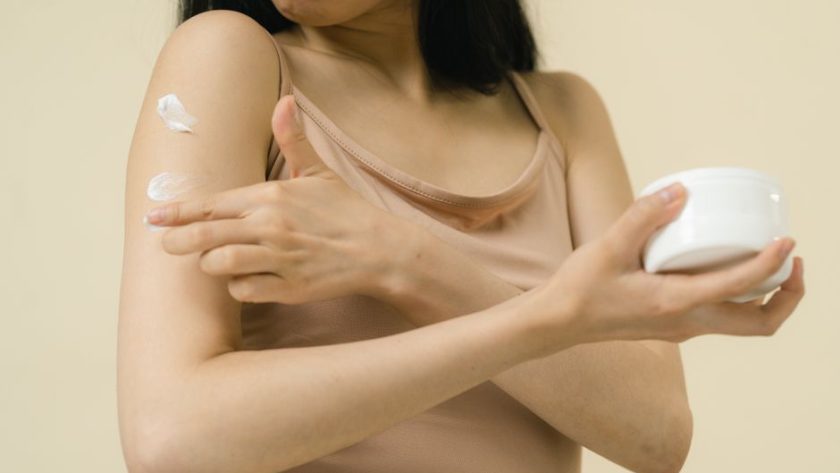
- Apply a cream while the skin still feels slightly damp. Spread it across the backs of the hands, between the fingers, around the thumbs, and over the cuticles.
- Add a thin ointment layer to cracks or areas that split repeatedly. An ointment slows water loss better than a light lotion.
- Wait one minute before touching flour, knives, or cookware. This reduces greasy transfer without sacrificing the barrier layer.
Use timing instead of constant reapplication
Most people apply hand cream randomly, then decide it failed when dryness returns. A stronger schedule is more boring and more reliable: use cream after the final handwash before breakfast, after the most demanding cooking session, and again at bedtime. Add one small application after washing when skin feels tight rather than waiting for visible cracks.
Keep one tube near the kitchen sink and another near the bed. Gloves help with dishwashing, but a glove traps sweat and can irritate damaged skin if worn for hours. Use cotton-lined or waterproof gloves for wet chores, remove them between tasks, and let hands dry fully before putting them back on.
For lips, apply balm before leaving the house and after eating if the product has been removed. Licking the lips feels soothing for a few seconds, but saliva evaporates quickly and leaves the surface drier.
Common mistakes that keep cracks from healing
Mistakes that look like extra care
- Scrubbing flakes away: A sugar scrub or rough washcloth can reopen tiny splits. Flaking is a barrier problem, not dirt that needs sanding.
- Using very hot water: Heat can increase comfort during washing while stripping more oil from the skin.
- Choosing fragrance for a damaged area: Peppermint, cinnamon, citrus oils, and strong fragrance can sting or trigger irritation on cracked lips and hands.
- Applying a thin lotion once a day: A light lotion may feel pleasant but may not slow water loss enough for severe winter dryness.
- Ignoring the thumb and cuticles: These areas take constant pressure while chopping, opening jars, and gripping pans.
When ordinary dryness needs medical attention
Home care is reasonable for mild tightness, flaking, and small surface cracks. Get medical advice when redness spreads, warmth and swelling increase, pus appears, bleeding will not stop, or pain becomes severe. Persistent rash, blisters, or deep fissures can point to eczema, contact dermatitis, infection, or another condition that needs a different treatment.
Do not keep testing new products on an inflamed area. Stop the newest product, wash gently, and track what touched the skin during the previous day. In a cooking environment, that list may include sanitizer, gloves, detergent, spice oils, citrus, and metal tools.
Which winter lip and hand products earn their space?

A comparison based on barrier strength and daily use
The right choice depends less on the most impressive label and more on how the formula fits the problem. Prices below are typical 2026 retail ranges, not guarantees; store, size, and promotions change the final cost.
| Product | Format and size | Best use |
|---|---|---|
| Aquaphor Healing Ointment | Petrolatum ointment, 1.75 oz | Cracked lips, cuticles, and overnight sealing |
| O’Keeffe’s Working Hands | Concentrated cream, 3.4 oz jar | Rough, hardworking hands that need a small amount |
| CeraVe Therapeutic Hand Cream | Non-greasy cream, 3 oz | Daytime use with ceramides, hyaluronic acid, and dimethicone |
| Burt’s Bees Beeswax Lip Balm | Lip balm, 0.15 oz | Portable daytime lip protection |
| Vanicream Moisturizing Cream | Fragrance-free cream, 16 oz tub | Households that need a simple hand and body cream |
The clearest buying verdict
For severely cracked hands, O’Keeffe’s Working Hands is the strongest daytime pick because its concentrated texture uses a small amount and stays focused on rough skin. For overnight protection or cracked lips, Aquaphor Healing Ointment is the better choice because its petrolatum barrier slows moisture loss. For a less greasy kitchen routine, CeraVe Therapeutic Hand Cream wins because the 3-ounce tube is portable and its formula absorbs faster.
Burt’s Bees Beeswax Lip Balm is convenient, but the peppermint oil can feel sharp on irritated lips. Choose a bland, fragrance-free balm instead if the lips burn after application.
How to use hand cream without ruining a cooking workflow
Apply protection at the right points in the kitchen
My clear recommendation: use a fast-absorbing cream during the day and reserve ointment for breaks and bedtime. That division prevents the common mistake of putting a thick greasy layer on immediately before handling glassware, knives, or dough.
Before a cooking session, apply a small amount of CeraVe Therapeutic Hand Cream or Vanicream Moisturizing Cream and rub it into the backs of the hands first. The backs usually need more help than the palms, while excess cream on the palms can reduce grip. After washing, reapply only where skin feels tight. At the end of the session, coat the cuticles and knuckles more heavily.
Choose the product that matches the failure mode
Use O’Keeffe’s Working Hands when the problem is rough, cracked skin from repeated work. Use Aquaphor Healing Ointment on small fissures, lips, or areas that lose moisture overnight. Use Burt’s Bees Beeswax Lip Balm for a pocket-sized daytime option when peppermint does not irritate you.
Do not buy a scented hand cream simply because the fragrance makes the routine pleasant. A product that smells good but stings after every wash has a poor risk-to-benefit balance. Also skip a large tub if several people will dip wet fingers into it; a squeeze tube is cleaner near a busy sink.
There is no meaningful AM Best rating or J.D. Power score for skin care, so treat marketing claims as labels to inspect rather than proof of performance. Compare ingredient lists, package sizes, and return policies, then test one new product at a time.
What to buy, what to skip, and what to do next
Do I need separate lip and hand products?
Not always. Aquaphor Healing Ointment can protect both lips and hands, which makes it the most efficient one-product option for a small kitchen or travel bag. Separate products make sense when you need a lighter hand cream during the day or dislike a glossy ointment on your lips.
When should I skip a popular balm?
Skip a minty or flavored balm if it causes burning, peeling, or a constant need to reapply. A pleasant tingle is not proof that a balm is repairing anything. For sensitive lips, choose a fragrance-free formula with petrolatum, mineral oil, shea butter, or another simple protective base.
What is the final 2026 shopping list?
For most households, buy one 3-ounce daytime hand cream, one small ointment tube, and one bland lip balm. The strongest compact set is CeraVe Therapeutic Hand Cream for routine washing, Aquaphor Healing Ointment 1.75 oz for cracks and overnight use, and Burt’s Bees Beeswax Lip Balm 0.15 oz only if peppermint feels comfortable.
Skip exfoliating gloves, heavily scented formulas, and oversized product bundles until you know what your skin tolerates. Winter care is becoming more practical and kitchen-aware: fewer products, better timing, clearer labels, and routines that protect skin without interrupting the work of cooking.