 Kellie Roberts
 You have six hot cross buns left after Easter, the fruit is drying at the edges, and throwing them away feels wrong. The common mistake is assuming fresh buns make the best pudding. They do not. Fresh buns collapse into wet layers because they have not lost enough moisture to absorb custard evenly. The best hot cross bun bread and butter pudding uses buns that are one or two days old, a measured custard, and a short rest before baking.
This method gives you a crisp, buttery top, a soft centre, and visible layers of spiced bun instead of one heavy, pudding-like block.
Why day-old buns make a better pudding
Dry bread controls the custard
Bread and butter pudding works because dry bread absorbs liquid slowly. That gives the egg and milk time to set around the bread instead of leaving a loose pool at the bottom of the dish. Hot cross buns contain dried fruit, sugar, and spices, so they already hold more moisture than plain white bread. Using them fresh pushes the balance too far.
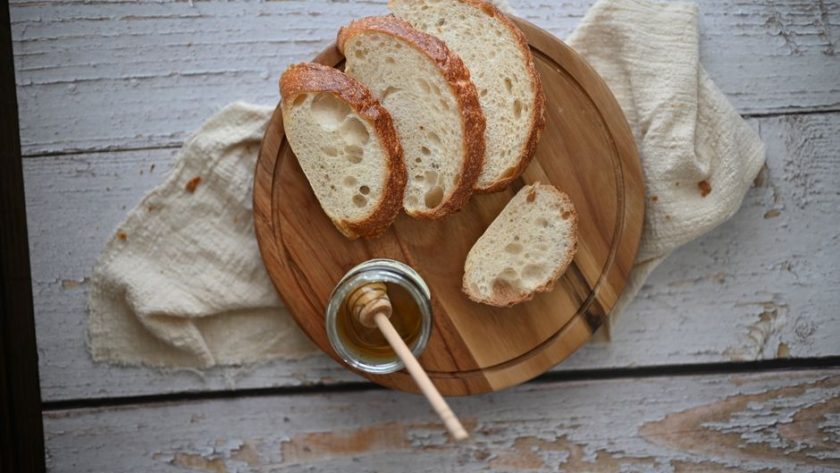
Leave the buns uncovered on a board for 12 to 24 hours. If you need the pudding tonight, slice them into 1.5 cm pieces and place them on a baking tray at 120°C for 12 minutes. Cool them fully before adding the custard. Warm slices soak up liquid too quickly and can turn gummy.
The custard needs a firm ratio
For six standard hot cross buns, use 500 ml whole milk, 150 ml double cream, three large eggs, 60 g caster sugar, 1 teaspoon vanilla extract, and a pinch of fine salt. This makes enough custard to soften the buns without drowning them. Do not add an extra egg because you want a firmer set. Too much egg creates a rubbery texture and hides the citrus and spice in the buns.
The pudding is ready when the centre reaches about 72°C and still gives a small wobble when you move the dish. A Thermapen ONE, which reads in about one second, makes that check simple, but a thin knife works too: it should come out damp, not covered in liquid custard.
Choose the right dish, butter, and toppings
My practical pick is a shallow ceramic baking dish around 2 litres in capacity. It spreads the slices into one even layer, so the top browns before the centre overcooks. A deep loaf tin makes attractive slices but traps steam and gives you a softer, wetter result.
Ingredient and equipment checklist
| Item | Amount or size | Why it matters |
|---|---|---|
| Hot cross buns | 6, preferably day-old | Dry enough to absorb custard without collapsing |
| Unsalted butter | 40 g, softened | Coats the slices and helps the top brown |
| Whole milk | 500 ml | Builds the main custard base |
| Double cream | 150 ml | Adds richness without needing extra sugar |
| Eggs | 3 large | Sets the custard during baking |
| Orange zest | From 1 orange | Brightens the dried fruit and spices |
| Baking dish | About 2 litres, shallow | Promotes even cooking |
Useful tools that earn their space
An OXO Good Grips 11-Inch Balloon Whisk is a comfortable choice for mixing the custard without leaving streaks of egg white. A Pyrex Deep 4.5-Quart Glass Baking Dish also works well, though its greater depth may need 5 to 10 extra minutes in the oven. For a crisp top, use a metal roasting dish such as the Nordic Ware Naturals Quarter Sheet, but reduce the baking time by roughly five minutes because metal transfers heat faster than glass.
Use softened butter, not melted butter. Melted butter runs off the bun slices and collects in the dish. Soft butter stays on the surface, where it helps the edges fry slightly as they bake. For the topping, choose one tablespoon of demerara sugar and two tablespoons of flaked almonds. Skip almonds if you need a nut-free dessert; the sugar alone still gives a thin, crackly crust.
How to bake hot cross bun bread and butter pudding
Follow the order below. The five-minute rest after pouring the custard is the step most rushed recipes miss.
Build the layers
- Heat the oven to 170°C fan, 190°C conventional, or Gas Mark 5.
- Butter a shallow 2-litre baking dish. Slice six day-old hot cross buns horizontally, then cut each half into two triangles.
- Spread the cut sides with the softened butter. Arrange half the slices in the dish, slightly overlapping them.
- Whisk the milk, cream, eggs, sugar, vanilla, salt, and orange zest in a jug. Whisk until the sugar has mostly dissolved.
- Pour half the custard over the first layer. Add the remaining bun slices, then pour over the rest.
Set the centre without burning the top
- Press the top layer down gently with a fish slice or clean spatula. Do not squash it flat.
- Leave the dish for five minutes. Turn the pieces once if the top looks dry, then scatter over the demerara sugar and almonds.
- Bake for 35 to 45 minutes. Start checking at 35 minutes, especially if you use a metal dish.
- Remove the pudding when the edges look set and the centre moves like soft jelly. Rest for 10 minutes before serving.
Serve warm with cold double cream, vanilla ice cream, or a spoonful of lightly whipped crème fraîche. My clear winner is cold cream: it balances the sweet bun and keeps the pudding from tasting heavy.
Can you prepare the pudding ahead?
Can I assemble it the night before?
Yes. Assemble the dish, cover it, and refrigerate it for up to 12 hours. The longer rest lets the custard reach the centre of each slice, but it also softens the top. Take the dish from the refrigerator 20 minutes before baking, then add the sugar and almonds immediately before it goes into the oven. Add 5 to 8 minutes to the baking time because the centre starts cold.
Can I freeze leftover pudding?
Yes, but the texture changes. Freeze cooled portions in airtight containers for up to one month. Thaw them overnight in the refrigerator and reheat at 160°C fan for 15 to 20 minutes. Cover loosely with foil for the first 10 minutes so the top does not burn. A microwave is faster, but it makes the bread soft and the custard uneven.
Can I use marmalade or chocolate?
Use one thin layer of orange marmalade if you want a sharper citrus flavour. Spread it under the butter, not on top, where it can burn. Dark chocolate chips also work, but limit them to 75 g for six buns. More chocolate masks the spices and makes the pudding taste like a generic chocolate bake. For the best balance, choose marmalade when the buns are very sweet and chocolate only when the buns are plain or lightly spiced.
Fix the five mistakes that ruin the texture
The best correction is simple: use less liquid before you change anything else. Most failed puddings contain too much custard, not too little. Measure the milk and cream rather than pouring by eye.
If the pudding is watery
- Fresh buns are the likely cause. Dry the slices before assembling the next batch.
- The dish may be too deep. Choose a shallow 2-litre dish so steam can escape.
- The pudding may be underbaked. Return it to a 160°C fan oven for 10 minutes and check the centre again.
- Do not cover the dish while baking. Foil traps steam and slows the custard from setting.
If the top burns before the centre sets
- Cover the dish loosely with foil after 20 minutes, leaving room for air to move around the edges.
- Move the dish to the middle shelf rather than the top shelf.
- Lower the oven by 10°C if your oven runs hot.
- Do not add extra sugar to rescue pale buns. The sugar will scorch before the centre is ready.
Skip this dessert when your buns are already mouldy, wet, or strongly stale. Toasted edges can be rescued; mould cannot. For a dinner party, bake it on the same day because the top is at its best within 30 minutes of leaving the oven. That solves the original six-bun problem: the slightly dry leftovers become a warm pudding with crisp edges, a set custard centre, and enough orange spice to taste planned rather than rescued.