 Kellie Roberts
 Wild garlic pesto can turn bitter in less than a minute if you treat it like basil pesto. That sharp, mustard-like bite is not a sign that the leaves are bad. It usually means the leaves were too old, the blender ran too hot, or the sauce needed more fat and salt. This recipe works because it respects the ingredient instead of burying it under cheese.
The target is a loose, bright green sauce that clings to the pasta, smells like spring onions, and still tastes fresh after heating. You need about 75g young wild garlic leaves for 350g dried pasta. That makes four proper portions, not four decorative forkfuls.
What wild garlic pesto pasta actually needs
Wild garlic pesto is built on a simple balance: fresh leaves for heat, oil for texture, hard cheese for salt and depth, nuts for body, and pasta water to bind everything. Remove one part and the sauce changes. Too many leaves make it aggressive. Too much oil makes it greasy. Too much cheese turns it into a paste.
| Ingredient | Amount for 4 portions | What it does |
|---|---|---|
| Young wild garlic leaves | 75g, washed and dried | Provides the onion, garlic, and mustard flavour |
| Extra virgin olive oil | 100ml, plus more if needed | Softens the leaves and carries flavour |
| Parmigiano Reggiano | 60g, finely grated | Adds salt, umami, and a thicker texture |
| Pine nuts or walnuts | 40g, lightly toasted | Adds richness and prevents a thin sauce |
| Dried pasta | 350g | Creates the hot, starchy base for the sauce |
| Lemon juice | 1 teaspoon | Brightens the sauce without making it sour |
Choose young leaves, not giant roadside leaves
The best leaves are small to medium-sized, glossy, and firm. They should smell strongly of garlic when torn. Large, floppy leaves can taste harsh and grassy. Avoid anything from roadsides, dog-walking routes, treated parks, or land you cannot identify. Wild garlic looks similar to a few toxic plants, so only use leaves you have identified with complete confidence. The leaves, flowers, and stems should all smell like garlic when crushed.
Pick the pasta shape for sauce cling
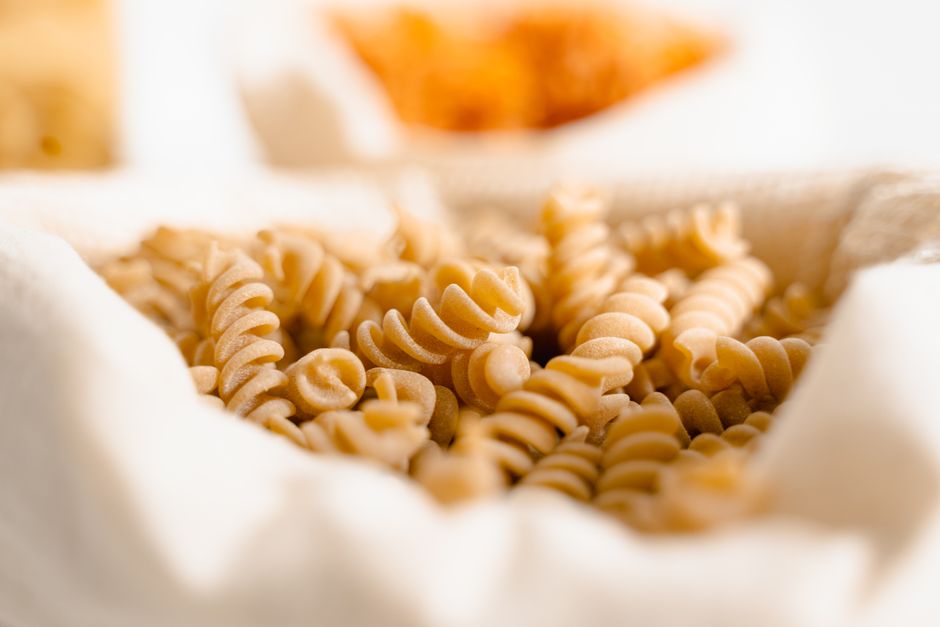
Spaghetti works, but it is not the strongest choice. Casarecce, trofie, fusilli, and linguine hold the oily pesto better. Ridged shapes give the sauce more places to settle, so each bite tastes seasoned instead of plain. For four portions, 350g dried pasta is enough for dinner with a salad. Use 400g if the pasta is the entire meal and nobody is serving bread or vegetables.
The fastest verdict: blanch the leaves before blending

Blanching is the best fix for wild garlic pesto that tastes too aggressive. Drop the leaves into boiling salted water for 20 seconds, move them straight into iced water, then squeeze them very dry. This takes away the raw edge, protects the colour, and makes the finished sauce taste rounder. If your leaves are very young and mild, you can blend them raw, but blanching gives the more reliable result. For a family dinner, blanch the leaves.
Why raw wild garlic can overpower pasta
Raw leaves carry a stronger sulfurous punch than basil. Pasta also arrives hot and fairly neutral, so it gives that punch nowhere to hide. A raw pesto may taste exciting from the spoon and then feel harsh once it coats a full plate. Heat from the cooking water softens the flavour slightly, while blanching controls it before the oil and cheese enter the picture.
When raw leaves are the right choice
Use raw leaves when you have a small, fresh handful and want a sharper sauce for grilled vegetables, boiled potatoes, or a cold pasta salad. Do not use raw wild garlic as a default just because it saves one pan. The extra 20 seconds of blanching is worth it for hot pasta.
How to make the sauce cling instead of splitting
Start with the leaves. Wash them in cold water, shake off surface moisture, and dry them thoroughly. Wet leaves dilute the pesto and force you to add more oil. Blanch for 20 seconds if the leaves smell fierce, then chill them and squeeze out as much water as possible. You want a compact green bundle, not a dripping one.
Blend in the right order
- Toast the pine nuts or walnuts in a dry pan over medium heat for two to three minutes. Stop when they smell nutty and show pale golden patches. Cool them for five minutes.
- Add the wild garlic, nuts, lemon juice, and half the olive oil to a food processor. Pulse six to eight times rather than running the motor continuously.
- Scrape the bowl, add the remaining oil, and pulse again until the mixture looks coarse but spoonable. Do not chase a perfectly smooth puree. A little texture gives the sauce more flavour.
- Stir in the grated Parmesan by hand. Taste before adding salt because the cheese may already provide enough.
A food processor is safer than a high-speed blender here. Fast blades create heat, and heat dulls the green colour while making the garlic taste more pointed. If a blender is your only option, use short pulses and stop often. Add one tablespoon of cold water only if the blades cannot move; too much water produces a thin sauce.
Use pasta water as an emulsifier
Cook the pasta in well-salted water until it is one minute short of al dente. Before draining, reserve at least 200ml of the cooking water. Toss the hot pasta in a wide pan with the pesto off the heat. Add 60ml of pasta water, toss hard, and add more in 15ml splashes until the sauce looks glossy and coats the noodles.
Do not fry the pesto. High heat separates the oil and cooks the cheese into salty lumps. The pasta’s heat is enough. If the sauce looks oily, add a little more pasta water and toss. If it looks watery, wait 30 seconds while the starch tightens the sauce before adding more cheese.
Five mistakes that ruin wild garlic pesto pasta
Most failures come from handling, not from the recipe. Fix these points and the dish becomes repeatable.
- Using leaves that are too old. Mature leaves can taste bitter and tough. Choose smaller leaves with a strong garlic smell and no yellow edges.
- Leaving the leaves wet. Water weakens the flavour and makes the sauce split. Dry them before blending, then squeeze blanched leaves firmly.
- Adding all the oil at once. A large pour can leave you with green oil and dry leaf pulp. Add the oil in two stages and stop when the pesto is spoonable.
- Blending until the sauce is hot. Continuous blending damages the fresh flavour. Pulse, scrape, and pulse again.
- Heating the pesto in a frying pan. This is the fastest route to separated oil and rubbery cheese. Toss it with hot pasta off the heat instead.
- Skipping the pasta water. Oil alone cannot make a creamy coating. The starchy water helps the fat, cheese, and leaf puree stay together.
- Overloading the plate with extras. Chilli, cream, bacon, peas, and roasted tomatoes can all work, but adding five strong ingredients hides the wild garlic. Start with lemon, black pepper, and extra Parmesan. Add one other element only if the sauce tastes balanced.
There is also a safety mistake that matters more than flavour: do not collect wild garlic near traffic, industrial land, or sprayed grass. Rinse the leaves, but do not assume rinsing removes every contaminant. If identification is uncertain, buy cultivated wild garlic from a reputable market or use a regular garlic-and-herb pesto instead.