
 Kellie Roberts
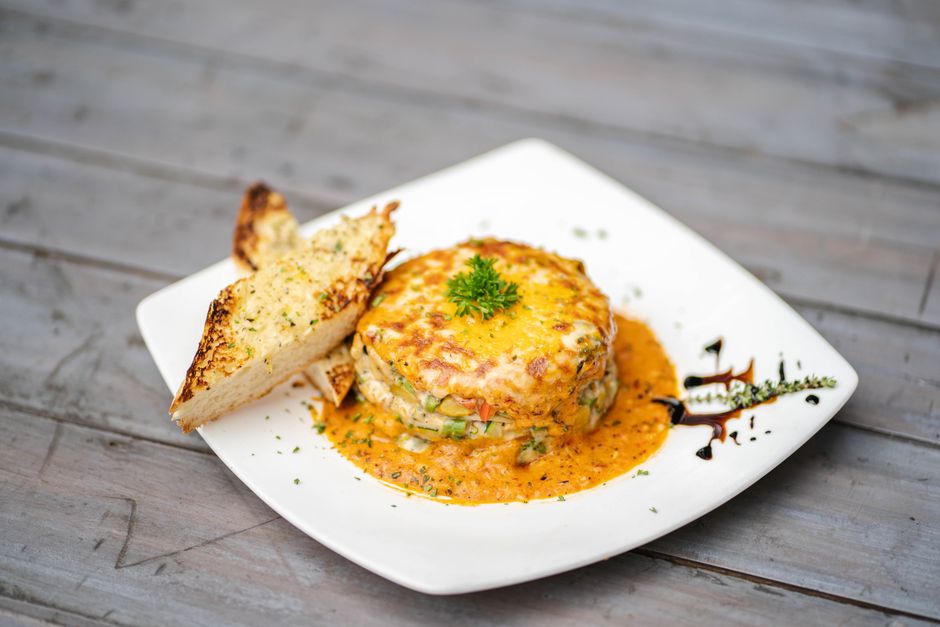
Want a leek and potato gratin that cuts into neat squares instead of collapsing into a creamy puddle? The fix is not more cheese, more cream, or a longer bake. You need even slices, cooked-out leek moisture, enough starch, and a proper resting time. This method gives you tender potatoes, soft leeks, browned edges, and layers firm enough to lift with a spatula.
Why Leek and Potato Gratin Falls Apart
Starch has to glue the stack
A gratin holds together because potato starch thickens the dairy around the slices. Thin potato layers release starch as they cook. That starch mixes with the cream, turns glossy, and creates a loose edible glue between the layers. If the slices are thick or wildly different in size, some potatoes release starch before others soften. The result is a stack with weak spots.
Use slices close to 3 mm thick. That is thin enough to cook through and thick enough to keep their shape. A knife can do the job, but the cut must stay consistent from the first potato to the last.
Leeks bring hidden water
Leeks look dry when raw, but their layers hold a surprising amount of water. If you bury raw leeks between potatoes, that water escapes in the oven and thins the cream. The layers slide, the bottom turns soupy, and the top browns before the center sets.
Slice the white and pale green parts into 5 mm half-moons. Rinse them well, drain them, then cook them in butter over medium heat for 8 to 10 minutes. Stop when they are soft and sweet, not brown. That short step removes excess water and concentrates the leek flavor.
Resting is part of cooking
A hot gratin is not ready to slice. The cream is still loose, the starch is still moving, and the potatoes are too fragile to support a clean cut. Let the dish rest uncovered for 25 to 30 minutes. The heat settles, the sauce thickens, and the layers grip each other.
If you cut it after five minutes, blame the knife last. The dish simply has not finished setting.
How to Make a Gratin That Slices Cleanly
Use this exact sequence
- Heat the oven to 375°F or 190°C. Butter a 9-by-13-inch baking dish.
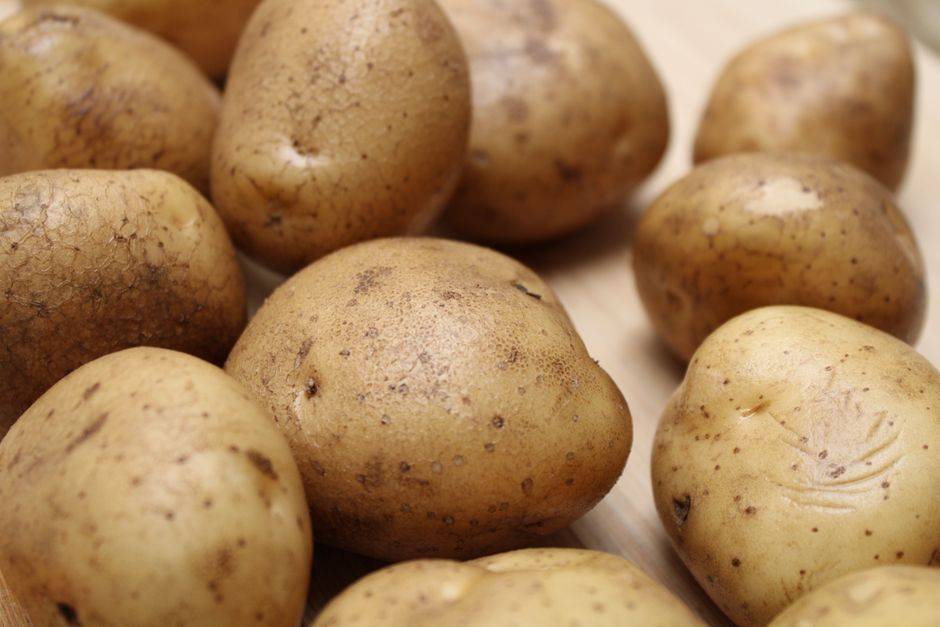
- Peel 2 1/2 pounds, or 1.1 kg, of Yukon Gold or russet potatoes. Slice them 3 mm thick.
- Trim and slice 3 medium leeks into 5 mm half-moons. Rinse, drain, and cook them in 2 tablespoons of butter for 8 to 10 minutes.
- Warm 300 ml of heavy cream with 1 teaspoon of kosher salt, 1/2 teaspoon of black pepper, 1 grated garlic clove, and a pinch of nutmeg. Do not boil it.
- Layer one-third of the potatoes in the dish. Add one-third of the leeks. Repeat twice. Pour the warm cream over the layers.
- Press the potatoes down gently so the cream reaches the gaps. Cover tightly with foil.
- Bake for 45 minutes. Remove the foil and bake for another 25 to 35 minutes, until a knife slides through the center and the top is deeply golden.
- Rest uncovered for 25 to 30 minutes. Cut with a sharp chef’s knife and wipe the blade between cuts.
Choose firmness over richness
For a classic spoonable gratin, cream alone works well. For slices that need to stand upright on a plate, whisk 2 eggs into the warm cream after it cools for two minutes. The eggs create a light custard that tightens as the dish cools. Do not add them to boiling cream or they may scramble.
Keep the dairy measured. About 300 ml of cream is enough for 1.1 kg of potatoes in a standard 9-by-13-inch dish. More liquid does not make the gratin better. It makes the potatoes swim.
Which Potatoes and Dairy Set the Best
Potato choices ranked for clean slices
The best potato depends on the texture you want, but the winner for a firm slice is Yukon Gold. It has enough starch to thicken the cream and enough waxy structure to hold its shape after baking. Russets make a softer, more delicate gratin with strong starch thickening. Red potatoes stay firm but can leave the sauce thinner because they release less starch.
| Potato | Starch level | Best result | Verdict |
|---|---|---|---|
| Yukon Gold | Medium | Firm layers with a buttery texture | Best overall |
| Russet | High | Soft layers and thick sauce | Best for a very tender gratin |
| Red potato | Low to medium | Firm slices with less thick sauce | Use only if shape matters most |
| Fingerling | Low | Dense slices and a rustic finish | Not the cleanest choice |
Dairy choices ranked for stability
Heavy cream gives the richest sauce and the least chance of curdling. Whole milk creates a lighter dish but needs more potato starch and a longer rest. Half-and-half sits in the middle. Sour cream brings tang but can split if heated too hard, so mix it with cream and keep the oven moderate.
For a gratin that slices cleanly, use heavy cream or a cream-and-egg mixture. Do not replace all the cream with milk. That swap saves fat but leaves the dish loose and watery unless you add another thickener.
Which Tools Actually Improve the Result
Buy the slicer before the fancy baking dish
The OXO Good Grips Chef’s Mandoline Slicer 2.0 is the most useful upgrade for this dish. Its adjustable thickness dial, food holder, and non-slip base make repeated 3 mm slices much easier than freehand cutting. The point is not speed. The point is removing thick slices that stay hard while thin slices dissolve.
If you prefer a knife, use a chef’s knife and measure the first few slices against a ruler. Once the thickness looks right, keep your hand position consistent. A slicer improves repeatability, but it cannot rescue a careless setup. Keep the guard attached and work slowly.
Use heat tools and sturdy vessels for control
The ThermoWorks Thermapen ONE gives a reading in about one second with accuracy listed at ±0.5°F. It is useful for checking the center when the top looks finished but the potatoes may still be firm. Aim for a center temperature around 195°F to 205°F before removing the foil for browning.
For baking, the Emile Henry Modern Classics Rectangular Baker has a 13-by-9-inch format that suits this amount of potatoes. The Le Creuset Signature Braiser in the 3.5-quart size is a good choice when you want to cook and serve in the same vessel. A Lodge 12-inch Cast Iron Skillet also works, but its dark sides brown the edges faster, so check the dish early.
What to Do When the Gratin Still Will Not Slice
Why is the center still watery?
The usual cause is raw leeks, too much dairy, or a dish that is too deep. Spoon off any visible liquid only after the rest period. For the next batch, cook the leeks first, measure the cream, and use a wider dish so the layers stay shallow. A 9-by-13-inch dish gives better control than a small deep casserole.
Why are the potatoes hard while the top is brown?
The slices are too thick, the foil did not seal, or the oven runs hot. Cover the dish tightly for the first bake so steam softens the potatoes. If the top browns early, cover it again and keep baking. Test the center with a thin knife, not the edge, because the edge cooks first.
When should you choose another side dish?
Do not make this gratin when you need a fast side dish with no resting time. It needs about 90 minutes from slicing to serving, plus the final set. Choose roasted potatoes for speed, pommes Anna for crisp layers, or a potato casserole with a stronger egg custard when you need firm squares straight from the oven.
| Goal | Best choice | Why |
|---|---|---|
| Cleanest leek and potato gratin slices | Yukon Gold, cooked leeks, 25-minute rest | Balanced starch and moisture |
| Softest, richest texture | Russets with heavy cream | More starch and a thicker sauce |
| Fastest potato side | Roasted potatoes | No layered custard or resting time |
| Crispiest layered dish | Pommes Anna | Butter, thin slices, and a pressed finish |