 Kellie Roberts
 Why Tomato Panzanella Turns Soggy
You make the salad, set it on the table, and discover that the bread has collapsed into wet cubes. The fix is not less dressing. It is better timing, drier bread, and tomatoes that have been salted before they meet the bowl.
Fresh tomatoes release more water than you expect
Tomatoes contain a large amount of free water, especially near the seed chambers. Salt pulls some of that liquid out through osmosis. If you cut tomatoes and immediately add oil, vinegar, and soft bread, the released juice has nowhere to go except into the crumb. The salad may taste bright, but the texture disappears within minutes.
Stale bread is the structural base
Use bread that feels dry and firm, not fresh sandwich bread. A one-day-old country loaf absorbs tomato juice while keeping its shape. Toasting the cubes at 375°F for 10 to 15 minutes creates a dry surface and a slightly chewy center. That contrast gives panzanella its purpose: it turns leftover bread into a complete summer meal instead of treating croutons as decoration.
Choose the Right Bread, Tomatoes, and Basil
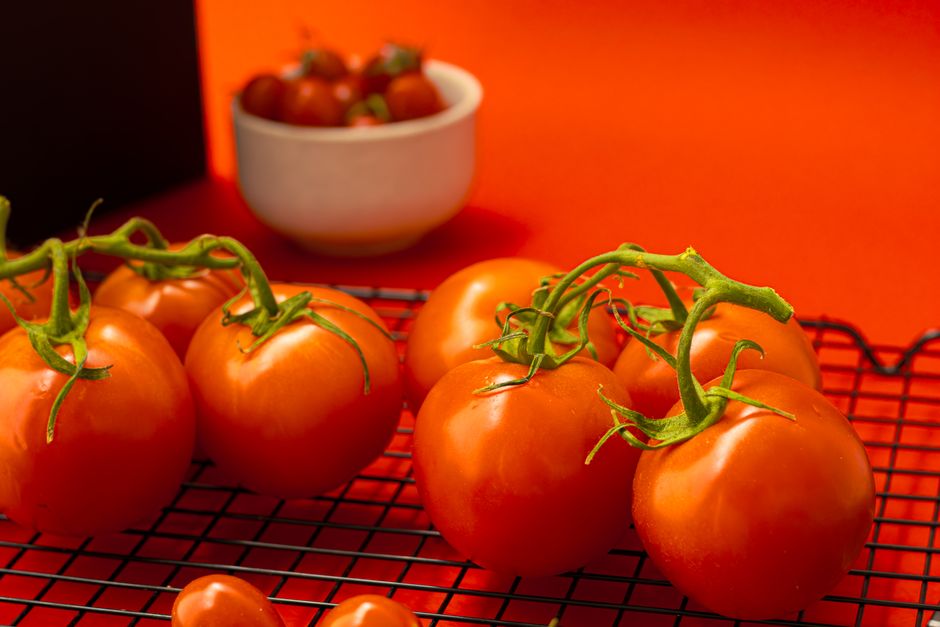
The best ingredients are simple, but their condition matters more than their label. Buy ripe tomatoes, firm bread, and basil with unbruised leaves. The table below gives practical starting points for a four-person salad.
Ingredient choices that hold their shape
| Ingredient | Best choice | Amount |
|---|---|---|
| Bread | La Brea Bakery Sourdough Loaf | 10 ounces |
| Olive oil | California Olive Ranch 100% California Extra Virgin Olive Oil | 5 tablespoons |
| Salt | Maldon Sea Salt Flakes | 1 teaspoon, plus more to taste |
| Tomatoes | Ripe tomatoes, mixed sizes | 2 pounds |
Fresh basil beats dried basil here
Use 1 packed cup of torn basil leaves. Dried basil cannot replace the soft, peppery aroma of fresh leaves in this salad. Tear the leaves by hand just before serving so they stay green and fragrant. For the clearest tomato flavor, choose several small tomatoes and two large slicing tomatoes instead of using only watery, pale supermarket tomatoes.
Salt the Tomatoes Before Mixing the Salad
Salted tomatoes are the difference between crisp panzanella and wet bread salad. This step takes 20 minutes, but it also creates the liquid for the dressing. Cut the tomatoes into bite-size pieces, place them in a colander over a bowl, and toss them with 1 teaspoon of salt. Let them drain for 15 to 20 minutes. The bowl catches the tomato juice, so you can build a dressing with real tomato flavor rather than adding extra vinegar.
How much salt should you use?
For 2 pounds of tomatoes, start with 1 teaspoon of fine sea salt or flaky salt. The tomatoes should taste seasoned, not cured. Smaller cherry tomatoes need less time because their flesh is firm and their skin slows drainage. Large heirloom tomatoes can release a surprising amount of juice, so give them the full 20 minutes. Do not squeeze them. Pressing removes pulp and leaves you with flat, bruised pieces.
Build the dressing from the drained juice
Measure 3 tablespoons of the collected tomato juice into a small bowl. Whisk in 3 tablespoons of extra-virgin olive oil, 1 tablespoon of red wine vinegar, 1 minced garlic clove, and several grinds of black pepper. Taste before adding more salt. The tomato juice already carries seasoning, and the toasted bread will absorb the dressing quickly.
Why this order works
The bread absorbs a controlled amount of seasoned liquid instead of sitting in a puddle. The oil coats the crumb and slows soaking, while vinegar sharpens the tomatoes without making the salad harsh. Basil goes in last because its flavor fades when it sits in acidic liquid for too long. Keep the drained tomatoes, toasted bread, dressing, and basil separate until 10 to 15 minutes before eating. That short rest softens the bread slightly without destroying its edges.
Make Tomato and Basil Panzanella Step by Step
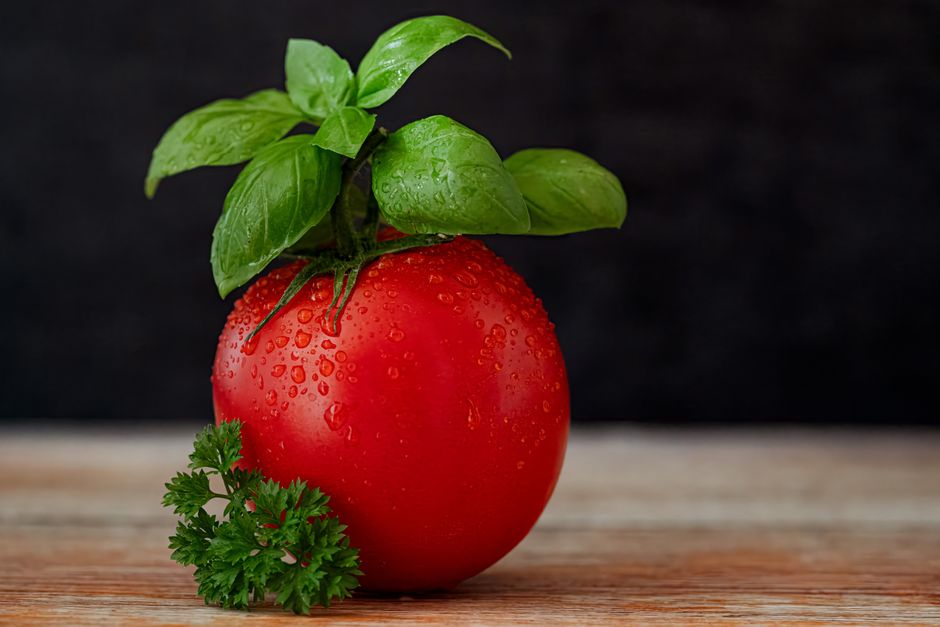
This is the winning method for a crisp, balanced bowl. It serves four as a light main dish or six as a side.
The 35-minute cooking sequence
- Heat the oven to 375°F. Cut 10 ounces of stale sourdough into 1-inch cubes.
- Toss the bread with 2 tablespoons of olive oil and a pinch of salt. Bake for 10 to 15 minutes, turning once, until the edges are golden.
- Cut 2 pounds of tomatoes. Toss them with 1 teaspoon of salt and drain for 15 to 20 minutes.
- Whisk the tomato juice with 3 tablespoons of olive oil, 1 tablespoon of red wine vinegar, 1 minced garlic clove, and black pepper.
- Combine the warm bread and dressing. Add the tomatoes and gently turn the mixture.
- Fold in 1 packed cup of torn basil. Rest for 10 minutes, then taste and adjust the vinegar, pepper, or salt.
The useful tool worth owning
If your tomatoes are especially juicy, an OXO Good Grips Salad Spinner can dry basil and washed produce without crushing them. It is not required, but dry basil clings to the dressing better and does not water down the bowl. Serve the panzanella on a wide platter rather than a deep bowl so every piece gets an even coating.
What to Do When the Salad Goes Wrong
Why is the bread still hard?
Hard bread usually means the cubes were too large or the dressing was added too late. Use 1-inch pieces and let the dressed bread stand for 10 minutes before adding the tomatoes. If the loaf is very dry, add one extra tablespoon of tomato juice, wait five minutes, and check again.
Why does the salad taste flat?
Flat panzanella needs acid or salt, not more oil. Add vinegar 1 teaspoon at a time, then taste. If the tomatoes were bland, add a small pinch of salt and a few torn basil leaves. Black pepper helps, but it cannot replace ripe tomatoes.
When should you not make panzanella?
Skip it when your tomatoes are pale, hard, or flavorless. Toasted bread cannot create tomato flavor that is missing. Make a bean salad or a grilled vegetable plate instead, then save panzanella for ripe summer produce.
Fresh Bread, Toasted Bread, or Grilled Bread?
All three methods work, but they create different salads. Fresh bread gives a soft, rustic texture and needs only a short soak. Toasted bread is the safest choice for a first attempt because it resists tomato juice. Grilled bread adds smoky edges and works well beside grilled fish or chicken.
| Bread method | Texture | Best use | Main risk |
|---|---|---|---|
| Fresh and stale | Soft center, tender crust | Traditional, gentle salad | Turns soggy quickly |
| Oven-toasted | Crisp edges, chewy middle | Most reliable everyday method | Can become dry if overbaked |
| Grilled | Smoky, firm, charred | Cookout or dinner-party side | Burns before the center softens |
The clear winner for meal prep
Choose oven-toasted bread if the salad must sit for more than 15 minutes. Keep the bread and dressing separate until serving if you are packing lunch. Fresh bread is best only when the bowl goes straight from the kitchen to the table.
The Best Panzanella Is Built Around Timing
My pick is oven-toasted sourdough with salted ripe tomatoes and dressing made from their drained juice. That combination gives you crisp edges, juicy centers, and enough acidity to keep the basil lively. The recipe does not need expensive equipment or a long ingredient list; it needs the right order. Salt the tomatoes first, toast the bread until firm, save the tomato juice, and mix the bowl shortly before eating. In 2026, as more home cooks look for meals that reduce waste, panzanella remains one of the smartest ways to use bread that has passed its sandwich prime. It also leaves room for useful changes: add cucumber for extra crunch, white beans for protein, or grilled peaches for a sweeter plate. The core rule stays the same. Dry bread needs a measured amount of seasoned tomato liquid, and fresh basil should arrive at the very end. Once that timing becomes familiar, nearly any ripe summer tomato can become a satisfying salad rather than another forgotten loaf in the pantry.