
 Kellie Roberts
A good cottage pie gives you three textures in one dish: tender beef, spoon-coating gravy, and a mashed potato top that cracks at the edges when you serve it. The method below builds each layer separately, so the filling stays rich instead of watery and the potatoes brown instead of drying out.
Why cottage pie needs a dry, deeply browned filling
The best cottage pie starts with a simple idea: the filling must taste concentrated before it meets the potatoes. Ground beef releases water as it cooks, vegetables add more moisture, and stock can turn the mixture thin if you add too much at once. If the filling goes into the oven loose and soupy, the potato topping will sink, steam instead of brown, and leave liquid around the edge of the dish.
Brown the beef in a wide pan
Use 900g of ground beef with about 15 percent fat for six servings. Heat a wide, heavy pan over medium-high heat, add 1 tablespoon of neutral oil, then spread the beef across the surface. Leave it alone for 3 to 4 minutes before breaking it up. This creates brown patches through the meat rather than gray crumbles that have steamed in their own liquid. Work in two batches if the pan cannot hold the beef in one loose layer.
Once the beef has browned, transfer it to a bowl. Keep 1 tablespoon of fat in the pan and discard the rest if the meat released a large amount. Add 1 diced onion, 2 diced carrots, and 2 diced celery stalks. Cook for 8 to 10 minutes, stirring now and then, until the onion turns translucent and the carrot edges begin to brown.
Build flavor before adding stock
Add 3 minced garlic cloves, 2 tablespoons of tomato paste, 1 teaspoon of dried thyme, and 1 tablespoon of Worcestershire sauce. Cook for 2 minutes. The tomato paste should darken from bright red to brick red. That small change matters because it removes the raw tomato taste and gives the gravy a fuller base.
Sprinkle 2 tablespoons of plain flour over the vegetables and stir for 1 minute. Return the beef to the pan. Pour in 500ml of low-sodium beef stock in three additions, scraping the browned bits from the bottom after each pour. Add 120ml of dry red wine if you want a deeper, more savory sauce, or replace it with extra stock for a family-friendly version. Stir in 150g of frozen peas only after the gravy has thickened.
Simmer the filling uncovered for 20 to 25 minutes. You want a thick mixture that falls slowly from a spoon, not a broth that runs across the plate. Taste before adding salt because stock, Worcestershire sauce, and the beef all bring seasoning. For the strongest result, cool the filling for 15 minutes before assembling. Warm filling can work, but very hot filling produces steam that softens the underside of the mash.
How to make cottage pie gravy rich without making it salty
My clear recommendation: reduce the gravy before you season it. Salt becomes harder to control as water evaporates, so adding a full teaspoon at the start often creates an overly salty filling by the time the sauce reaches the right thickness. Cook first, reduce second, then season at the end.
Use a measured liquid ratio
For 900g of ground beef, start with 500ml of stock. That amount gives the flour and tomato paste enough liquid to form a sauce while leaving room for reduction. If your vegetables or beef release extra water, the total volume may rise. In that case, skip additional stock and let the pan work.
Keep the pan uncovered and simmer at a steady bubble for 20 to 25 minutes. Stir every few minutes so the flour does not catch on the base. A wooden spoon should leave a brief trail when dragged through the gravy. If the trail disappears instantly, keep reducing. If the gravy looks pasty before the beef feels tender, add stock 1 tablespoon at a time.
Choose the right thickener
Plain flour gives the most traditional texture because it creates a soft, clingy gravy around the beef. Two tablespoons for 500ml of stock makes a thick filling after reduction. Cornstarch can work, but it produces a glossier sauce and can turn slightly jelly-like after chilling. If you use it, mix 1 tablespoon of cornstarch with 2 tablespoons of cold water and stir it in during the final 3 minutes.
For extra depth, add 1 teaspoon of soy sauce instead of more salt. It will not make the pie taste Asian; it adds savory flavor without dumping in another large spoonful of seasoning. A teaspoon of Dijon mustard also works well, especially if you leave out the wine.
Know when the gravy is ready
Spoon a little filling onto a cold plate and wait 30 seconds. It should hold its shape when you tilt the plate. If liquid separates around the mound, reduce the filling for another 5 minutes. If the mixture feels dry, stir in 50ml of stock and stop cooking as soon as the beef looks coated.
The final verdict is simple: a thick, slightly under-seasoned filling is safer than a loose, heavily salted one. The potatoes add richness, and the oven concentrates the filling a little more.
Ingredient timing for a six-serving cottage pie
The most reliable workflow separates cooking from assembly. You can make the beef filling several hours ahead, chill it, and add the potatoes later. This improves the final texture because the cool filling supports the mash instead of melting it from below.
| Stage | Ingredient or action | Amount | Time | What to look for |
|---|---|---|---|---|
| 1 | Brown ground beef | 900g, 15% fat | 8 to 10 minutes | Deep brown patches, no gray steaming |
| 2 | Cook onion, carrot, and celery | 1 onion, 2 carrots, 2 celery stalks | 8 to 10 minutes | Soft vegetables with lightly browned edges |
| 3 | Cook tomato paste and flour | 2 tbsp paste, 2 tbsp flour | 3 minutes | Brick-red paste and no raw flour smell |
| 4 | Simmer gravy | 500ml beef stock | 20 to 25 minutes | Sauce coats the beef and leaves a trail |
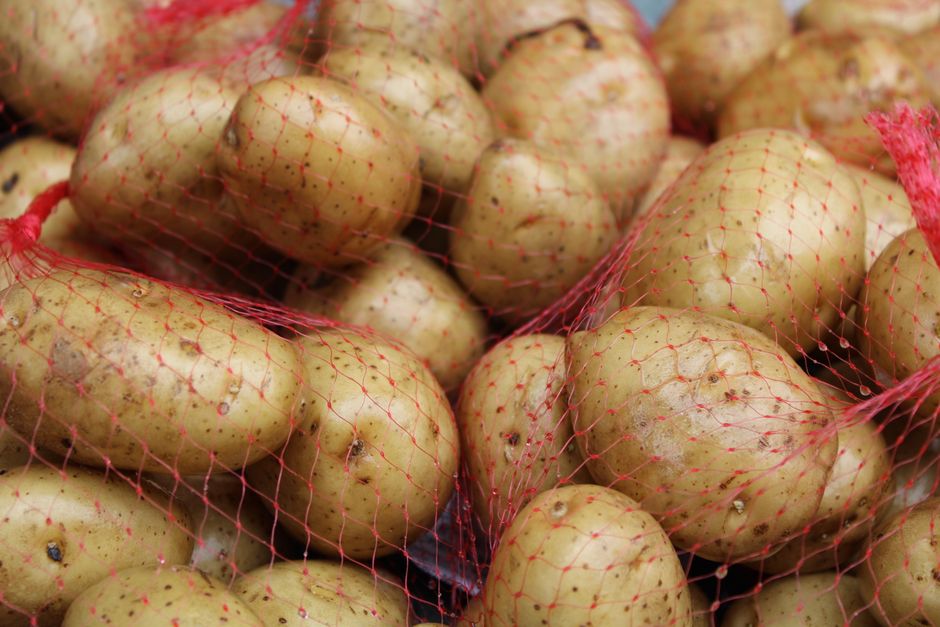
| 5 | Boil potatoes | 1.2kg peeled potatoes | 15 to 20 minutes | Knife slides through the center |
| 6 | Make mash | 85g butter, 120ml milk | 5 minutes | Smooth, thick, and easy to spread |
| 7 | Bake assembled pie | 220°C conventional | 25 to 30 minutes | Golden ridges and bubbling edges |
The best assembly order
Cook the filling first, then make the potatoes while the filling cools. Spoon the beef into a 2.5 to 3 litre baking dish. Press it into an even layer and remove any large pockets of air. Add the mash in large spoonfuls instead of dropping one heavy mass in the center. That spreads the topping without pushing the filling up the sides.
If you assemble the pie more than 30 minutes before baking, cool it uncovered for 20 minutes, then cover and refrigerate. Take it out 30 minutes before baking. A chilled pie usually needs 40 to 50 minutes at 200°C conventional, followed by a short blast under the grill for color.
The serving temperature matters
Let the finished pie rest for 10 to 15 minutes. This is not dead time. The gravy thickens, the potato crust firms, and the first spoonful stays layered instead of sliding into a puddle. Serve with buttered peas, steamed cabbage, or a sharp green salad. You do not need another rich side dish.
Common cottage pie mistakes and the final verdict
For a crisp top and rich gravy, the winning method is clear: brown the beef hard, reduce the filling uncovered, dry the potatoes, and bake the assembled pie hot. Most disappointing cottage pies fail because one of those four steps gets rushed.
Why is the filling watery?
The usual cause is overcrowded beef or a covered simmer. Brown the meat in batches, then reduce the finished sauce uncovered until a spoon leaves a trail. Do not add extra flour at the end unless the sauce remains thin after reduction; raw flour creates a chalky taste.
Why is the mash gluey?
Blades, overworking, and excess water cause gluey potatoes. Use a masher or ricer, dry the drained potatoes over low heat, and fold in warm dairy with a light hand. If the mash is already sticky, spread it thinly over the filling and add fork ridges. It will not become fluffy, but the crust can still turn crisp.
Why did the crust stay pale?
The topping may be too smooth, too wet, or too far from the grill. Add fork ridges, brush the surface with butter, and bake at 220°C conventional. If the pie is cold from the refrigerator, give it enough time to heat through before grilling the top. A pale crust often reflects a hot center and an oven that lacks strong upper heat, so use the grill for the final 2 to 4 minutes.
When the evening starts with a cold kitchen and a hungry table, this is the cottage pie to make: a thick beef filling that holds its shape, creamy potatoes with golden ridges, and gravy deep enough to reward every bite. Rest it for ten minutes, bring it to the table in the baking dish, and the crisp top will finally give way to the rich center underneath.